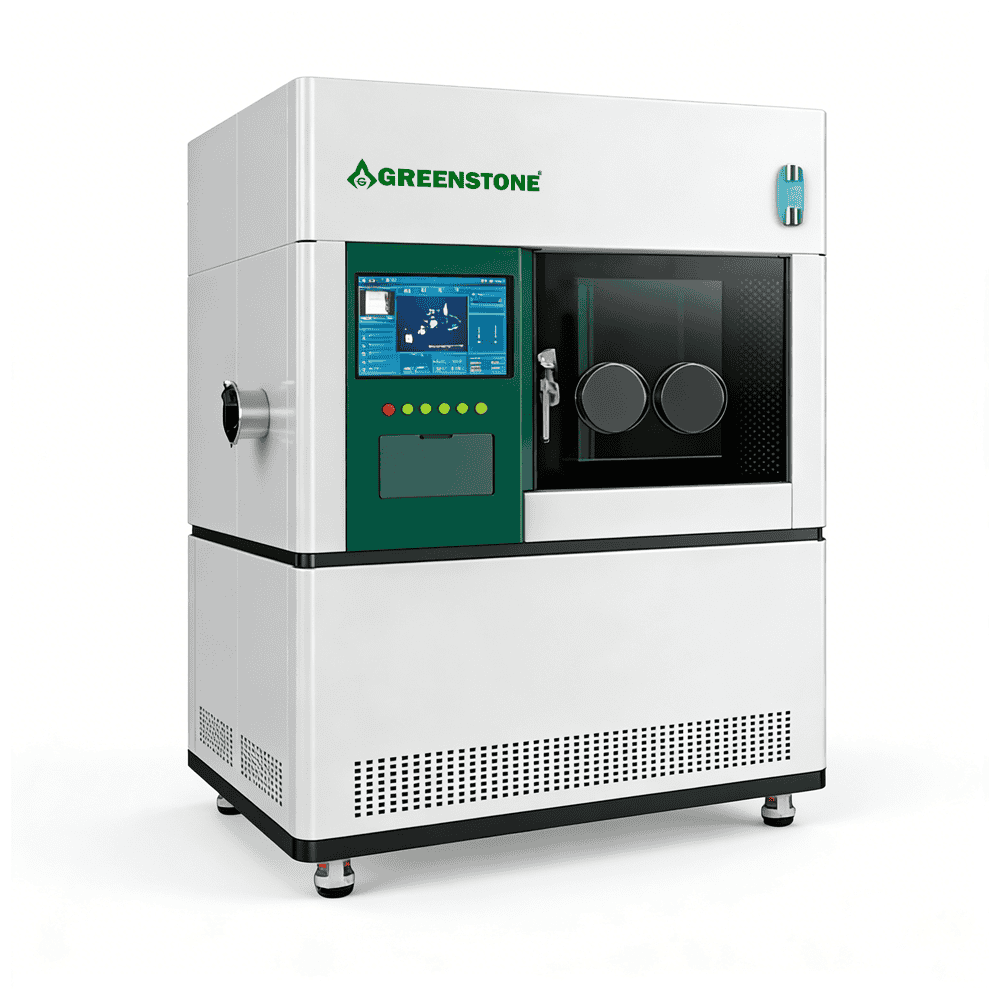
Presentatie van de kenmerken van de apparatuur
Supersonic cold spraying, also known as low-pressure cold spraying, is a new type of metal spraying process. It is different from traditional spraying (supersonic flame spraying, plasma spraying, explosion spraying, etc.). It does not require the sprayed metal particles to be melted, and the temperature generated on the surface of the sprayed substrate generally does not exceed 150°C.
verwerkte monsters


1. Technical Principle
Supersonic cold spraying, also known as low-pressure cold spraying, is a new metal spraying process. It is different from traditional thermal spraying (superspeed flame spraying, plasma spraying, explosion spraying, etc.). It does not require the sprayed metal particles to be melted, and the temperature generated on the surface of the sprayed substrate generally does not exceed 150°C.
The principle of supersonic cold spraying technology is to use compressed gas to generate supersonic airflow through a zoom-in type Lava tube, and send the powder axially into the supersonic airflow to form a gas-solid two-phase flow. After acceleration, it hits the substrate in a completely solid state, causing large plastic deformation and deposition on the substrate surface to form a coating.
2. Technical Features
(1) The temperature of the cold spray substrate surface is lower than 150°C, which will not cause internal stress in the substrate, and there will be no deformation and phase change.
(2) The coating has no thermal stress and can spray thick coatings with a thickness of up to 10 mm.
(3) The coating has high bonding strength, 30-100 MPa; strong cohesion, 30-100 MPa.
(4) The coating is dense, with low porosity (<5%); high thermal conductivity and electrical conductivity (more than 90%).
(5) The coating has good uniformity and high surface finish, Rz20-40.
(6) The particle flow sprayed by cold spraying has a small and narrow cross-section and good directionality, and can be sprayed on local surfaces.
(7) One device can spray a variety of powder materials (aluminum, copper, zinc, nickel, lead, tin and Babbitt alloy, etc.), and can prepare a variety of functional coatings (wear resistance, corrosion resistance, friction reduction, heat resistance, sealing, conductivity, anti-adhesion, etc.).
(8) It can be sprayed on any metal product, as well as on ceramics, glass and cement surfaces.
(9) Cold spraying has no high temperature, no dangerous gases and radiation, and is harmless to the environment.
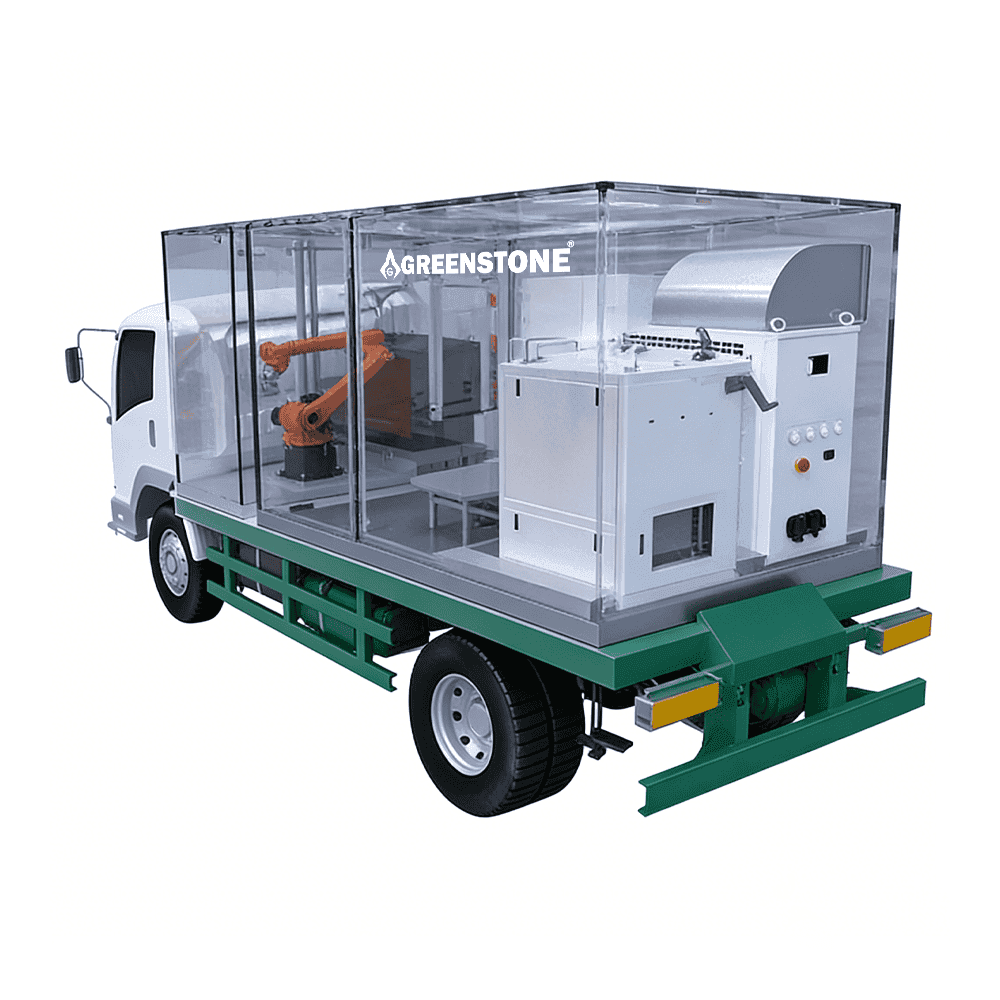
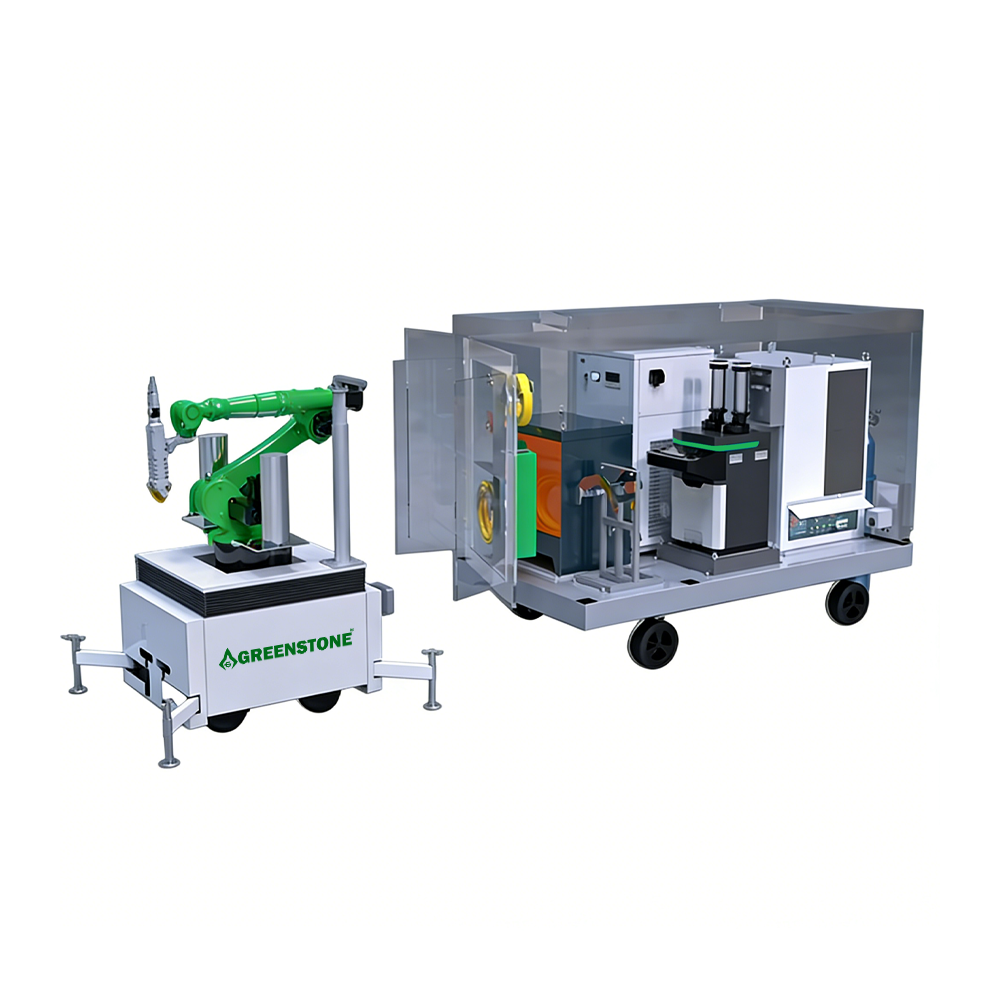
(10) The equipment is compact and easy to carry. It can be used in fixed places or in the field.
3. Application fields
According to the function of the spray layer, the application fields of cold spray technology are as follows:
(1) Corrosion-resistant coating
Prepare anodic anti-corrosion layer (Zn, Al and its alloys) on steel, or spray cathode metal (such as N and its alloys, etc.).
(2) Wear-resistant and anti-friction coating
Spray metal ceramics and anti-friction alloy coatings in the field of mechanical manufacturing and maintenance.
(3) Functional coating
Prepare amorphous coatings, biomaterial coatings, nanostructured coatings, etc. in the field of scientific research and electronic technology.
(4) Spray molding
In many mechanical manufacturing and electronic industries, directly spray Al, Cu, Ni and their alloys to manufacture formed parts.
(5) Parts repair
In automobile repair, spray Al, Cu, Ni and their alloys to repair engine cylinders and sealing valves; spray Al and its alloy coatings when repairing space shuttle rocket thrusters.
(6) Surface treatment
In addition to the application of spraying metal coatings, spraying machines are also used for surface treatment. For example: sandblasting to remove surface contaminants; preheating the substrate to reduce thermal stress, etc.
| Technical Index | Parameter Waarde |
| Ingangsvermogen | 220V±10% 50/60Hz |
| Air Heater Power Consumption | 3.3Kw |
| Compressed Air Working Pressure | 0.5 MPa~0.8MPa (5~8 bar) |
| Air Consumption | 0.3 m³/min~0.5m³/min |
| Compressed Air Working Temperature | 200℃~600℃ |
| Air Quality Requirement | No water, no oil, <40℃ |
| Poeder Voedingssnelheid | 6g/min~50g/min |
| Product Dimensions (LWH) | (7505201080) mm |

Cold spraying is a process that uses high-speed inert gas to accelerate powder particles to 200 – 1,200 m/s and impact the substrate surface, where kinetic energy is converted into thermal energy to form a coating. Since the temperature generated when impacting the substrate surface is lower than the melting point of these powder materials, oxidation rarely occurs in this process. At the same time, the powder particles undergo plastic deformation upon impact with the substrate while retaining their solid characteristics, thus preventing changes in chemical properties and phase transitions. Additionally, the high-speed impact of powder particles makes the coating structure extremely dense and forms a strong bond with the substrate.


Verwante producten
Beheersing van kerntechnologieën in hoogwaardige additieve metaalproductie en oppervlaktebehandeling