
Wear-Resistant Ceramic Composite Powder for HVOF Thermal Spray, Plasma Spray, Laser Cladding and Industrial Protective Coatings
Product Overview
GREENSTONE Wear-Resistant Ceramic Composite Powder is a high-performance ceramic-based powder engineered for industrial surface protection under severe wear, corrosion and high-temperature operating conditions.
The material system is based on high-performance ceramic constituents such as aluminum oxide (Al₂O₃), zirconium oxide (ZrO₂) and silicon carbide (SiC), with composition and particle characteristics selected according to the required coating process and service conditions.
Designed for advanced surface engineering technologies including HVOF thermal spraying, plasma spraying, cold spraying, laser cladding and adhesive ceramic coating, the powder provides a combination of high hardness, abrasion resistance, corrosion resistance, thermal stability and relatively low density.
GREENSTONE ceramic composite powders are suitable for demanding applications in mining, power generation, oil & gas, aerospace, marine engineering, industrial machinery, chemical processing and component remanufacturing, particularly for components exposed to abrasive particles, corrosive media, elevated temperatures and severe surface wear.
Particle size distribution and material composition can be customized according to coating equipment, deposition technology, substrate material and final coating performance requirements.
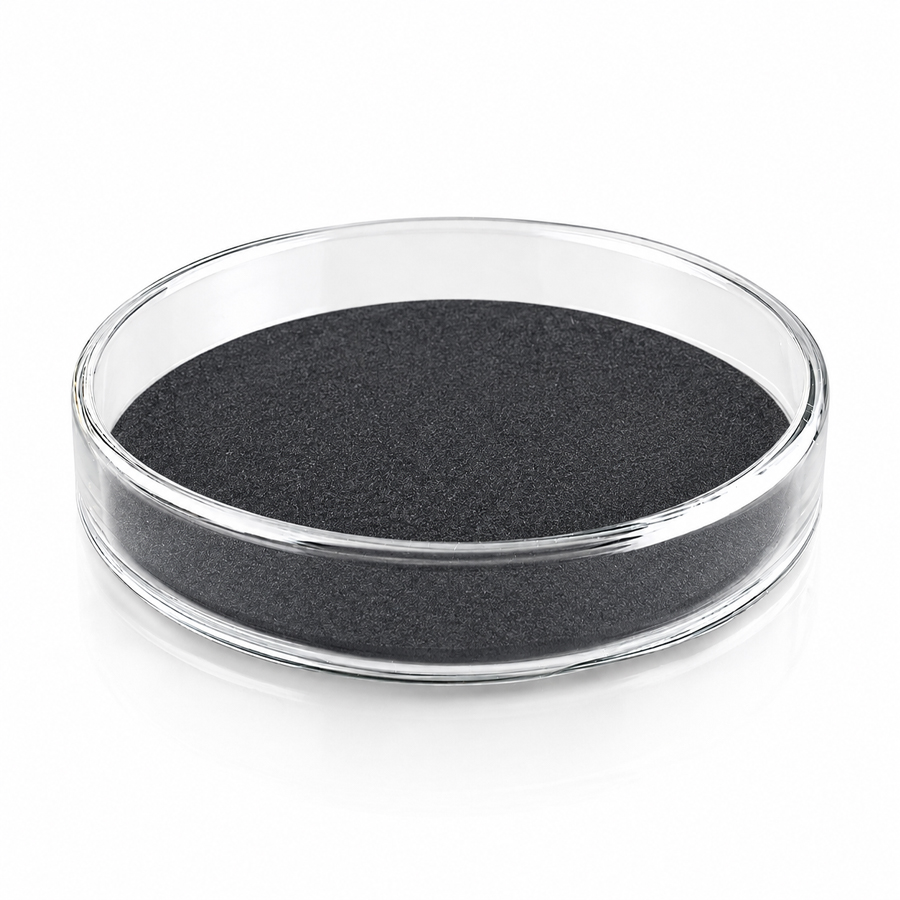
Superior Wear and Abrasion Resistance
With a typical hardness of approximately 1800–2200 HV, GREENSTONE wear-resistant ceramic composite powder is designed to produce extremely hard protective surfaces capable of resisting severe abrasion, erosion and particle impact.
This makes it particularly suitable for components such as:
- Mining chutes and hoppers
- Industrial pipelines
- Boiler components
- Dust collection equipment
- Pump and valve components
- Turbine-related components
- High-wear mechanical surfaces
High-Temperature Performance
The ceramic material system provides excellent thermal stability, with a typical maximum continuous operating temperature of approximately 1200°C and short-term temperature resistance up to approximately 1600°C, depending on the exact composition, coating structure and service conditions.
This enables protective coatings for components exposed to elevated temperatures and repeated thermal cycling.
Excellent Corrosion Resistance
The ceramic-based coating system provides resistance to a broad range of corrosive industrial environments.
According to the supplied technical data, representative coatings can meet ASTM G31 corrosion testing requirements, with salt-spray performance reported up to approximately 500 hours under the applicable test conditions.
Actual corrosion performance depends on coating composition, porosity, thickness, substrate preparation and operating environment.
Lightweight Ceramic Protection
With a typical density of approximately 3.8–4.2 g/cm³, the ceramic composite system is significantly lighter than many conventional metallic wear-resistant coating materials.
This provides an advantage for applications where both surface protection and component weight are important, including aerospace and rotating equipment.
HVOF Thermal Spray Applications
The powder can be engineered for High-Velocity Oxygen Fuel (HVOF) thermal spraying, producing dense wear-resistant protective coatings on suitable substrates.
Typical applications include:
Power Generation: Boiler tubes, industrial piping and high-wear surfaces.
Petrochemical & Oil and Gas: Corrosion- and erosion-resistant surfaces for valves, pipelines and process equipment.
Industrial Machinery: Wear-resistant surfaces for components subjected to continuous abrasion.
Plasma Spray Applications
GREENSTONE ceramic composite powder is suitable for compatible plasma spray systems where high hardness, thermal stability and ceramic coating performance are required.
Properly optimized plasma-sprayed coatings can provide high bond strength and dense protective surfaces on complex component geometries.
Laser Cladding Applications
Selected ceramic-metal composite formulations can be integrated into laser cladding processes to manufacture metallurgically bonded wear-resistant composite layers.
Typical applications include turbine-related components, molds, industrial tooling and severely worn mechanical parts requiring localized surface reinforcement.
Because pure ceramics and ceramic-rich materials behave differently from conventional metallic laser-cladding powders, the exact composition, binder/metallic phase and laser parameters should be selected according to the substrate and required coating properties.
Cold Spray and Low-Temperature Processing
Compatible formulations can also be developed for cold spray and other lower-temperature deposition processes where minimizing thermal influence on the substrate is important.
This can be beneficial for precision components and applications where substrate distortion or thermal degradation must be minimized.
Excellent Thermal Shock Resistance
A typical thermal expansion coefficient of approximately 7–8 × 10⁻⁶/K provides relatively good compatibility with selected metallic substrates and helps reduce thermal stress when the coating system is properly engineered.
High Coating Bond Strength
For optimized plasma-sprayed coating systems, typical bond strength can exceed approximately 50 MPa, depending on substrate preparation, coating composition and spraying parameters.
Custom Ceramic Powder Solutions
GREENSTONE can provide customized ceramic and ceramic-metal composite powder solutions based on:
Particle size distribution
Ceramic composition
Metallic binder system
Deposition process
Substrate material
Required hardness
Operating temperature
Wear and corrosion environment
This allows the powder system to be optimized for specific industrial coating and surface-engineering applications rather than using a single formulation for every process.
| Parameter | Specification |
|---|---|
| Product Name | Wear-Resistant Ceramic Composite Powder |
| Brand | GREENSTONE |
| Material Category | Ceramic / Ceramic-Metal Composite Powder |
| Typical Ceramic Components | Al₂O₃ / ZrO₂ / SiC |
| Typical Hardness | 1800–2200 HV |
| Typical Density | 3.8–4.2 g/cm³ |
| Maximum Continuous Operating Temperature | Approx. 1200°C |
| Short-Term Temperature Resistance | Up to Approx. 1600°C |
| Typical Thermal Expansion Coefficient | 7–8 × 10⁻⁶/K |
| Typical Bond Strength | >50 MPa for Optimized Plasma-Sprayed Coatings |
| Corrosion Test Reference | ASTM G31 |
| Reported Corrosion / Salt Spray Performance | Up to Approx. 500 h under Applicable Test Conditions |
| Powder Composition | Customizable According to Application |
| Particle Size Distribution | Customizable |
| Primary Coating Processes | HVOF / Plasma Spray / Cold Spray / Laser Cladding |
| Additional Process | Adhesive Ceramic Coating |
| Key Properties | High Hardness / Wear Resistance / Corrosion Resistance / High-Temperature Stability |
| Typical Coating Function | Wear Protection / Erosion Protection / Corrosion Protection / Thermal Protection |
| Typical Industries | Mining / Power Generation / Oil & Gas / Aerospace / Marine / Industrial Machinery |
| Typical Components | Pipelines / Boiler Components / Chutes / Hoppers / Valves / Turbine Components / Molds / Industrial Wear Parts |
| Customized Powder Solutions | Available |
Recommended Advanced Manufacturing Solutions
Explore Greenstone’s related portfolio of high-performance industrial equipment, engineered to complement your manufacturing objectives across laser cladding, DED additive manufacturing, laser cleaning, surface engineering, precision automation, and advanced material processing. Each solution is strategically designed to expand production capabilities, enhance process efficiency, and support scalable industrial innovation.
From modular laser systems to fully integrated intelligent manufacturing platforms, Greenstone provides customers with interconnected technologies that deliver greater flexibility, precision, and operational excellence for modern global manufacturing environments.


