
Laser Cladding Repair for Metallurgical Equipment Components
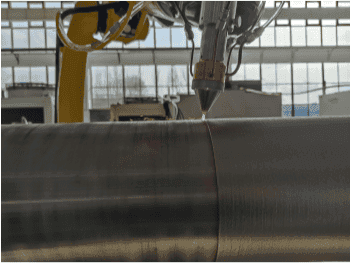
Application case overview
Metallurgical equipment components typically operate under extreme service conditions, including high temperatures, fluctuating loads, cyclic thermal shock, corrosion, wear, and fatigue. Many cast-iron parts are highly susceptible to corrosion and wear, requiring frequent replacement and maintenance. In metal plate production, components such as rolling rolls and conveyor rolls demand exceptionally high surface quality. For these widely used parts with high maintenance frequency, extending service life and reducing maintenance costs are critical to the industry’s development.
Currently, surface protection layers for steel and metallurgical equipment components are mainly produced through electroplating, thermal spraying, and arc welding. The adoption of laser cladding technology offers significantly enhanced coating durability and extended service life, while reducing repair cycles. Laser cladding also provides greater flexibility in controlling coating thickness and performance, making it a superior solution for surface strengthening and wear-resistant restoration in metallurgical applications.


Scene 1: Laser Cladding for Rolling Mill Rolls
Rolling mill rolls are the most critical consumable components in the steel industry. Their quality directly influences mill efficiency and final product surface quality, making advanced surface treatment technology essential. Typical roll failure modes include thermal cracking, spalling, fatigue wear, and abrasive wear.
Laser cladding technology enables the selection of optimized alloy powders and process parameters based on roll material, working conditions, and technical requirements. This process achieves strong metallurgical bonding between the coating and substrate, forming a dense cladding layer with surface hardness typically reaching 50–60 HRC, significantly enhancing wear and impact resistance.
Compared with traditional repair technologies, high-speed laser cladding offers lower heat input, minimizing the heat-affected zone and avoiding excessive hardening of the base material that can hinder machining. The coating demonstrates uniform hardness distribution, preventing localized hard spots that could scratch steel plates. As a result, laser-cladded rolls achieve several-fold improvement in durability, wear resistance, and impact performance, greatly extending service life and reducing maintenance costs in steel production.
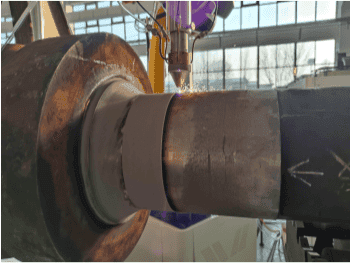
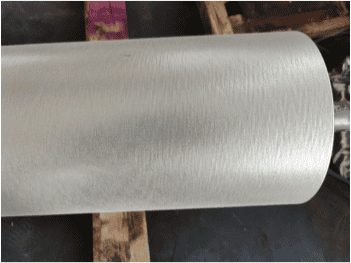
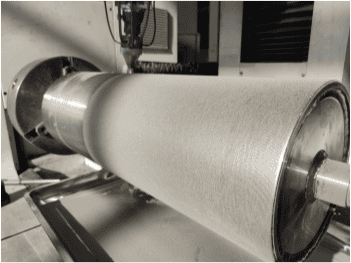
Scene 2: Laser Cladding for Guide Wheels
Guide wheels are critical consumable components in hot-rolled bar production lines and play an essential role in maintaining mill uptime and production efficiency. In service, many guide wheels suffer from insufficient heat resistance, steel adhesion, poor wear resistance, and inadequate thermal-fatigue performance. These issues shorten service life and negatively affect product quality.
Laser cladding technology provides a highly effective solution due to its low dilution rate, small heat-affected zone, and easy automation. By selecting optimized cladding alloys and process parameters, laser cladding significantly enhances the guide wheel’s wear resistance, corrosion resistance, fatigue strength, and crack resistance. Typical cladding thickness ranges from 1–3 mm, with surface hardness often exceeding 60 HRC.
After laser cladding, guide wheels can be reused with substantially extended service life, improving equipment availability and significantly reducing maintenance and operating costs in steel rolling applications.

