


Kimya Endüstrisinde Lazer Kaplama Uygulamaları: Valf Sert Dolgu ve Korozyona Dayanıklı Çözümler
Kasım 1, 2025


Industry Background
In the chemical, petroleum, power generation, and metallurgy industries, valves are critical components responsible for fluid regulation and system safety. These valves operate under extreme conditions such as high temperature, high pressure, and corrosive media. Under such demanding environments, valve sealing surfaces often suffer severe wear, corrosion, cracking, and leakage.
Lazer kaplama has become a core solution for enhancing valve performance and extending equipment service life. By applying a high-hardness, corrosion-resistant alloy layer to critical valve surfaces, lazer kaplama significantly improves durability, reduces maintenance costs, and increases operational reliability.
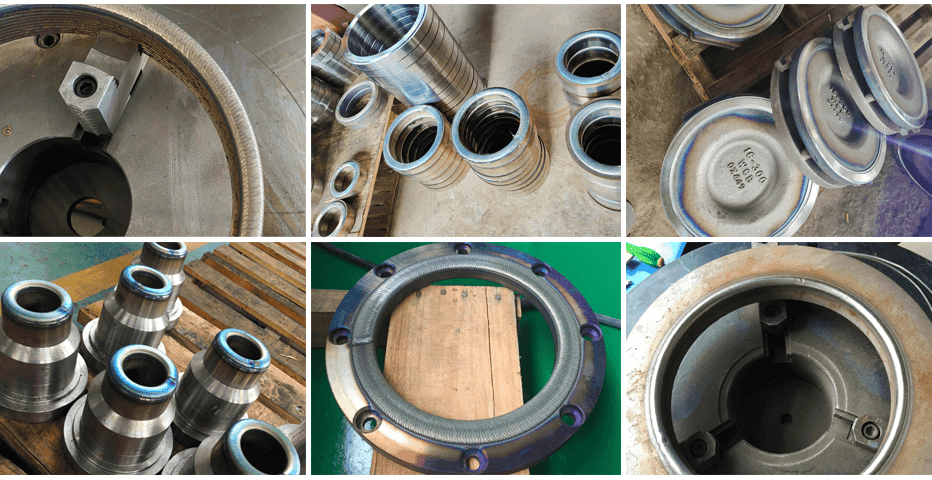
Common Problems in Chemical Valves
1. Wear on Sealing Surfaces
Valve seats and valve cores experience continuous friction during opening and closing cycles, leading to surface wear and reduced sealing performance.
2. Chemical Corrosion
In chemical processing applications, strong acids and corrosive fluids damage valve seats, stems, and internal surfaces, causing premature failure.
3. High-temperature and High-pressure Conditions
Extreme temperatures and pressure cycles cause cracking, peeling, and structural degradation. Lazer kaplama greatly strengthens metallurgical bonding and material integrity under these harsh operating conditions.
Valve Components Enhanced by Laser Cladding
Valve Seat
Lazer kaplama improves wear resistance and corrosion resistance, ensuring long-term sealing ability and extended valve lifespan.
Valve Stem
By strengthening the stem surface with lazer kaplama, wear, friction, and corrosion are reduced, avoiding operational failure and leakage.
Valve Body Interior
For chemically aggressive environments, lazer kaplama deposits corrosion-resistant coatings inside the valve body, maximizing protection and stability.
Laser Cladding Alloy Systems and Process Advantages
High-performance Alloy Layer
Materials: cobalt-chromium-tungsten alloys, nickel-based superalloys, stainless-steel powder
Function: improves hardness, wear resistance, and bonding strength
Result: dense, uniform metallurgical layer with high reliability
Corrosion-resistant Cladding
Alloy: nickel-based and stainless anti-corrosion materials
Cladding thickness: typically 0.5–5 mm depending on operating conditions
Benefit: long-term protection in corrosive media environments
High-temperature Alloy Coatings
Materials: cobalt-based & nickel-based high-temperature alloys
Purpose: maintain hardness, oxidation resistance, and structural integrity under high pressure and high heat
Result: improved thermal stability and resistance to crack formation
Industrial Benefits of Laser Cladding for Valves
Uzatılmış Hizmet Ömrü
ile lazer kaplama, valve components withstand extreme wear, corrosion, and temperature cycling—significantly extending maintenance intervals and reducing unplanned downtime.
Reduced Operational Cost
Lazer kaplama minimizes replacement frequency, material waste, and repair time, directly reducing manufacturing and maintenance expenses.
Increased Safety and Reliability
Enhanced sealing integrity and structural performance improve system reliability in chemical processing plants.
Automation Advantages of Laser Cladding
High Precision and Consistency
Automated lazer kaplama systems ensure stable processing quality, reduced human error, and lower scrap and rework rates.
One robotic lazer kaplama workstation can replace 2–3 skilled technicians efficiently.
Programmable and Flexible
Robotik lazer kaplama systems adapt to complex shapes, multiple valve types, and specialized coatings—surpassing limitations of manual welding and thermal spray.
Green and Efficient Manufacturing
Reduced Emissions
Lazer kaplama produces minimal harmful gases and smoke compared to traditional repair processes.
Higher Material Utilization
Accurate powder feeding lowers material waste and reduces production cost.
Cleaner Work Environment
Less dust, noise, and contamination ensures improved working conditions and meets modern environmental standards.
Why Laser Cladding Is the Best Solution for Chemical Industry Valves
Lazer kaplama Teklifler:
Exceptional wear resistance
Superior corrosion & oxidation resistance
High-temperature stability and crack resistance
Longer equipment lifecycle
Daha düşük bakım maliyeti
Safer, more reliable valve performance
For chemical processing plants seeking reliability, safety, and cost-efficiency, lazer kaplama has become the preferred valve reinforcement technology worldwide.
Michael Shea
Michael Shea – Overseas Director, Global Business Development Leader & Senior Technical Engineering Expert Michael Shea serves as Greenstone’s Overseas Director and a highly versatile senior technical engineering expert, combining global business leadership with deep multidisciplinary expertise across laser cladding, DED metal additive manufacturing, laser cleaning, laser quenching, industrial equipment modernization, and advanced manufacturing system integration. With extensive experience in both international market development and full-spectrum industrial technology implementation, Michael plays a critical role in driving Greenstone’s global expansion while ensuring technical excellence across diverse customer applications. His unique professional strength lies in seamlessly integrating commercial strategy, engineering expertise, and…