
Cold Spray Hybrid Additive Manufacturing for High-Performance Copper and Copper Alloy Components
Project Overview
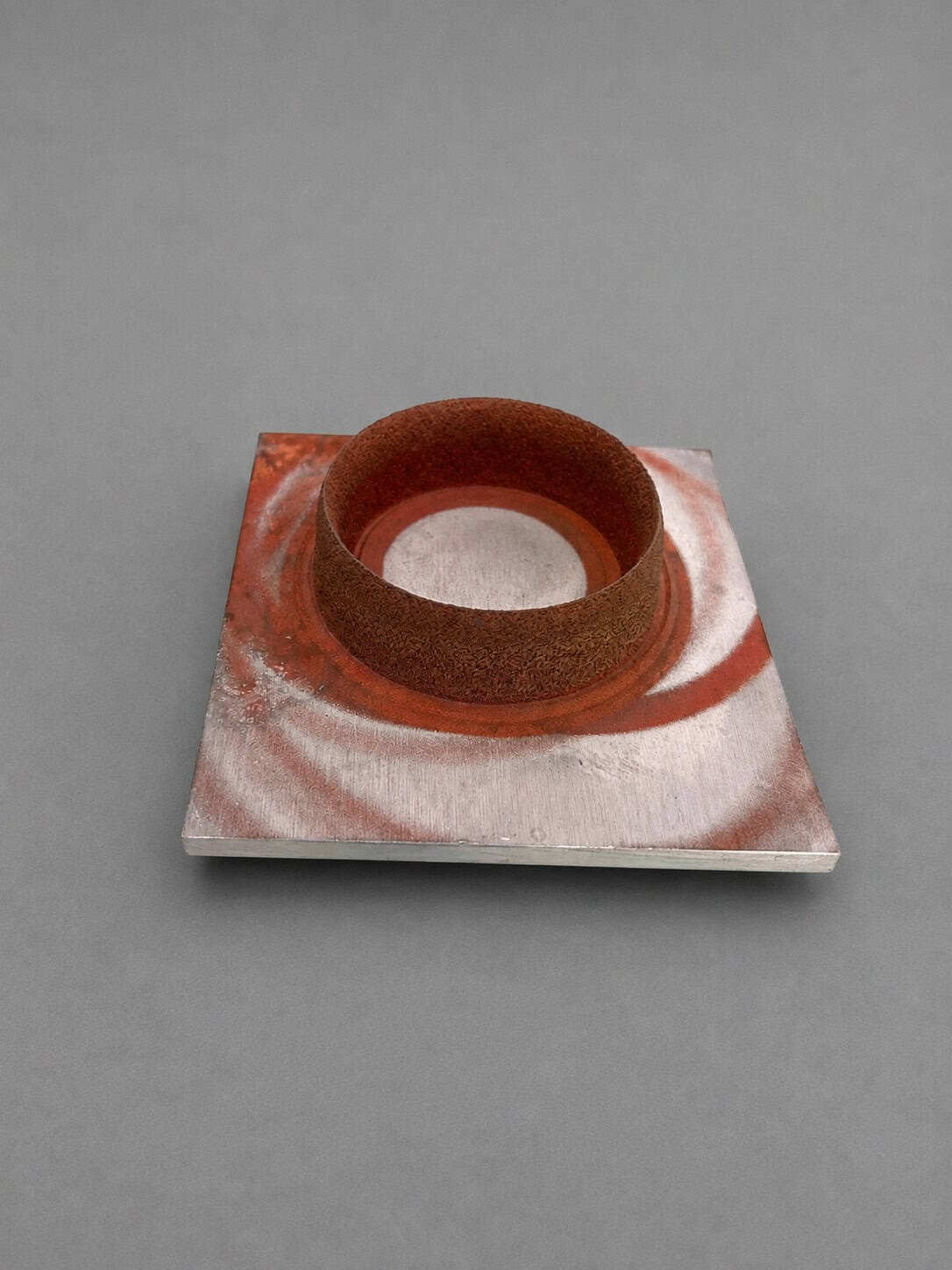
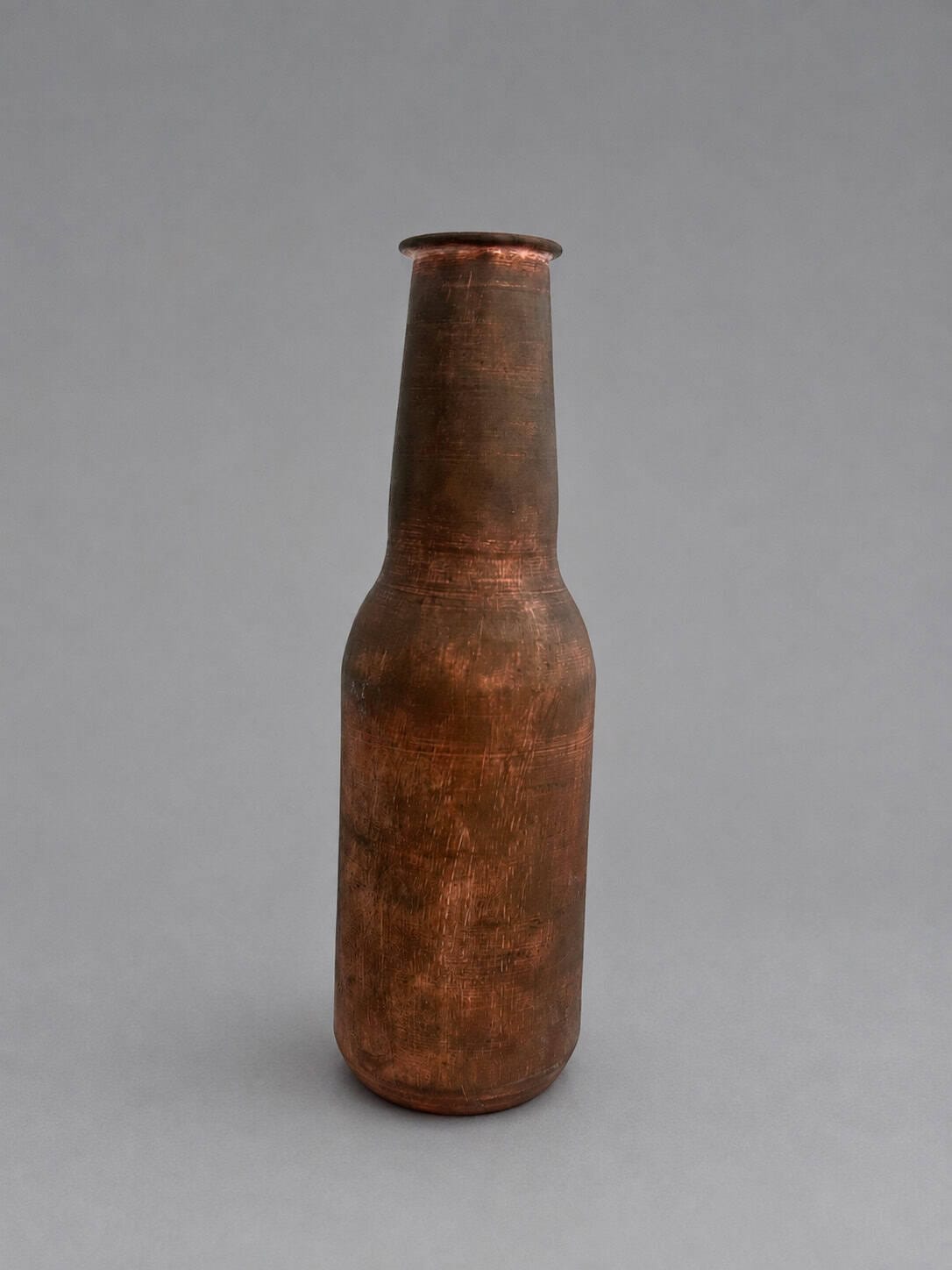
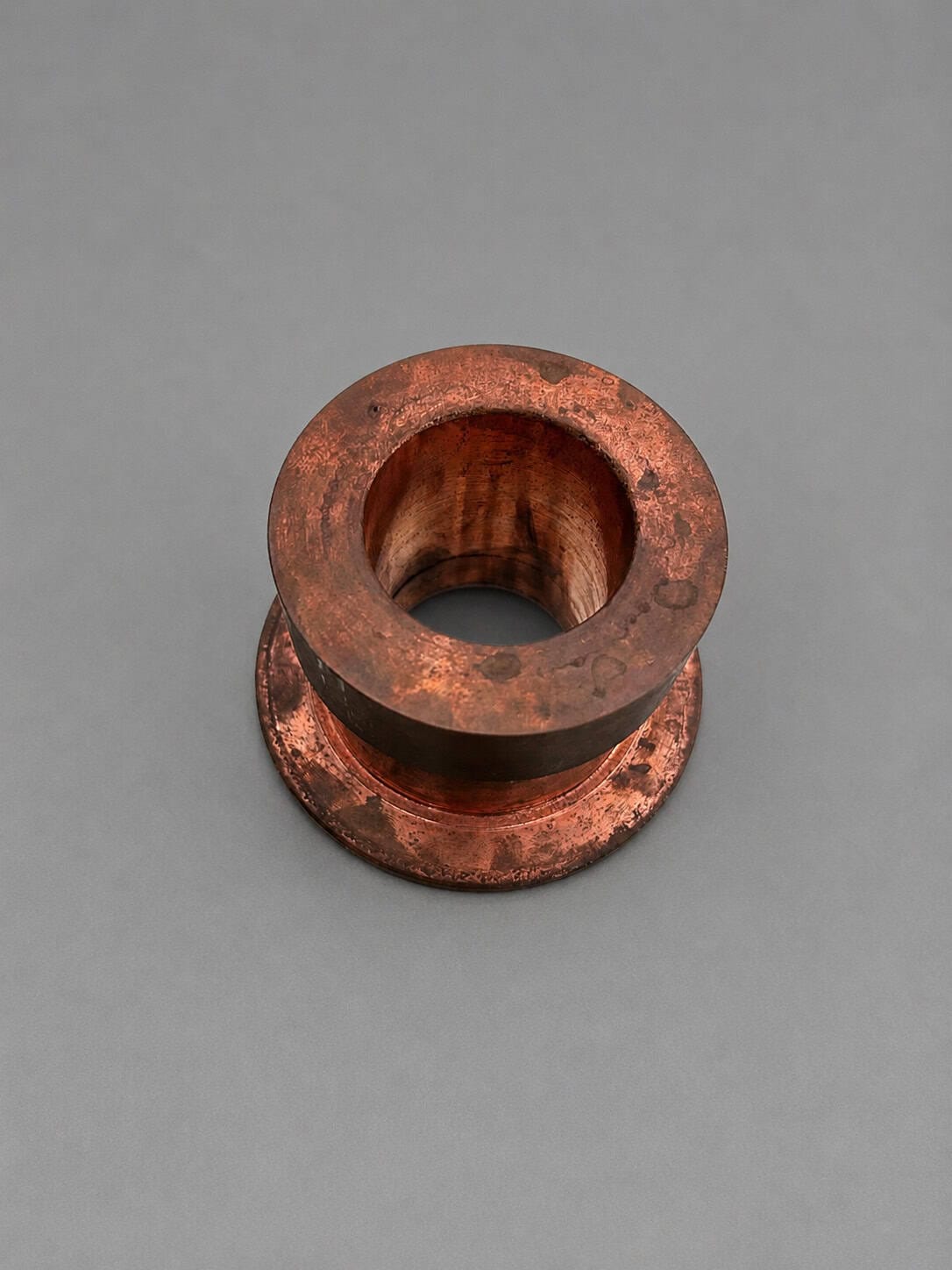
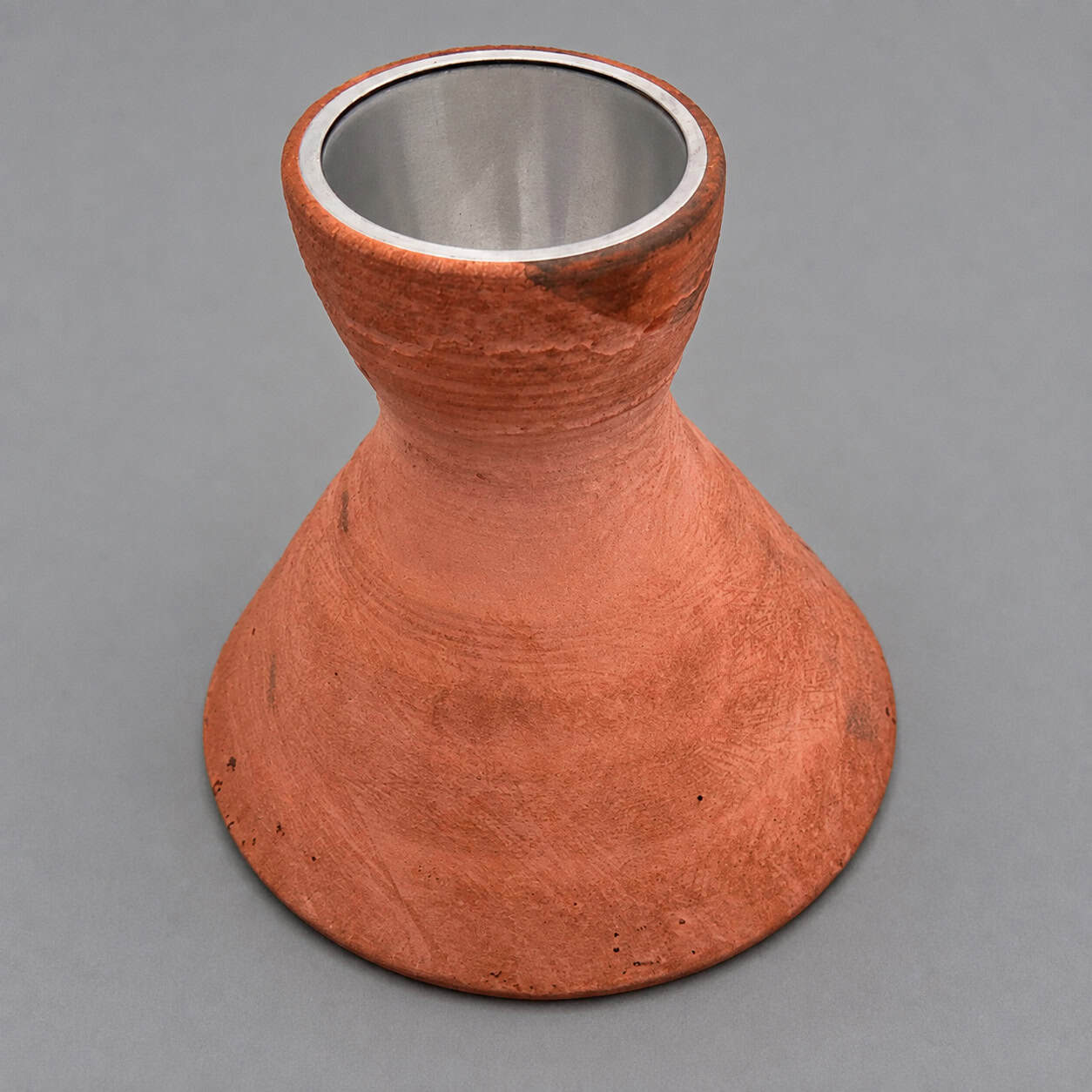
As one of GREENSTONE’s successfully delivered cold spray additive manufacturing projects, this case demonstrates the application of solid-state deposition and hybrid manufacturing for the production of high-performance copper and copper-alloy components.
This project represents one implementation within GREENSTONE’s broader cold spray and metal additive manufacturing capabilities. Depending on component geometry, material system, dimensional requirements and service conditions, GREENSTONE can develop different manufacturing routes based on cold spray additive manufacturing, laser Directed Energy Deposition (DED), or hybrid process combinations.
Copper and copper alloys are widely used in demanding industrial applications because of their excellent thermal conductivity, electrical conductivity and corrosion resistance. However, these same material characteristics can create significant challenges for conventional laser-based additive manufacturing.
The high reflectivity and thermal conductivity of copper can make laser energy coupling and melt-pool control more difficult. Depending on the alloy, geometry and process conditions, conventional fusion-based additive manufacturing may encounter issues including unstable deposition, porosity, incomplete fusion, thermal distortion and changes in material properties.
For components incorporating complex geometries, internal features or high-value copper structures, conventional machining from bulk material can also result in substantial material removal, long manufacturing cycles and limitations in design flexibility.
To address these challenges, GREENSTONE implemented a cold spray-based hybrid additive manufacturing solution, providing an alternative manufacturing route for copper and copper-alloy components requiring high deposition efficiency and low thermal input.
Cold Spray Additive Manufacturing Process
The core of the solution is solid-state cold spray deposition.
Unlike fusion-based additive manufacturing processes, cold spray accelerates metal powder particles to high velocities through a controlled gas stream. The particles impact the substrate while remaining predominantly in the solid state and undergo severe plastic deformation, enabling progressive material build-up through particle-to-particle and particle-to-substrate bonding.
By continuously controlling the deposition path, powder delivery and process parameters, material can be accumulated layer by layer to manufacture near-net-shape metallic structures.
For copper and selected copper-alloy applications, this approach significantly reduces the thermal effects associated with conventional fusion processing and avoids the need to create and continuously maintain a conventional laser melt pool.
Cold spray can also be integrated with machining and other manufacturing processes to create a hybrid additive manufacturing route. Depending on the component, intermediate machining can be introduced to establish dimensional features, interfaces or internal structures before subsequent deposition stages continue the build.
Where appropriate, GREENSTONE can also combine these capabilities with its established powder-fed laser DED technology, allowing the manufacturing route to be selected according to material characteristics, geometry, deposition efficiency, thermal distortion requirements and final component performance.
Key Technical Advantages
1. Solid-State Deposition for Copper and Copper Alloys
Cold spray provides a fundamentally different processing route for copper materials.
Because deposition occurs without conventional bulk melting of the feedstock, the process can substantially reduce melting- and solidification-related thermal effects. This makes it particularly valuable for applications where thermal input, oxidation, phase transformation or dimensional distortion must be carefully controlled.
The process is especially attractive for copper-based materials where electrical and thermal functionality are important considerations.
2. High Deposition Efficiency
Cold spray additive manufacturing is suitable for relatively high material deposition rates compared with many fine-scale metal additive processes.
For appropriate material systems and process configurations, deposition rates can reach the kilogram-per-hour scale, with high-productivity systems capable of substantially higher build rates.
This provides an important advantage for medium-to-large near-net-shape components where manufacturing productivity and material build rate are major project considerations.
3. Low Thermal Input and Reduced Distortion
Because cold spray is a solid-state deposition process, overall thermal input to the component is significantly lower than in conventional fusion-based additive manufacturing.
This helps reduce thermally induced distortion and makes the technology particularly useful for components with strict dimensional stability requirements or substrates that are sensitive to excessive heat input.
4. High Material Utilization
Cold spray additive manufacturing builds material primarily where it is required.
Compared with manufacturing complex components entirely from large billets followed by extensive material removal, a near-net-shape deposition strategy can significantly reduce the amount of material that must subsequently be machined away.
This advantage becomes increasingly important when processing high-value copper alloys and customized components.
5. Flexible Hybrid Manufacturing Strategy
Cold spray does not need to operate as an isolated manufacturing process.
GREENSTONE can integrate cold spray deposition + CNC machining + post-processing into a hybrid production route, allowing deposited structures to be machined at intermediate or final stages to achieve required dimensional accuracy and surface quality.
For applications better suited to fusion-based deposition, laser DED can provide an alternative or complementary manufacturing route.
The objective is therefore not to force every component into a single additive process, but to select the appropriate combination of technologies according to the actual engineering requirements.
Typical Applications
The technology can be applied to high-value copper and copper-alloy components requiring combinations of thermal management, electrical conductivity, corrosion resistance, low thermal distortion and near-net-shape manufacturing.
Typical applications include thermal-management components, conductive structures, heat-transfer components, marine copper-alloy parts, complex copper structures, component dimensional restoration, localized material build-up and repair-oriented additive manufacturing.
Cold spray additive manufacturing can therefore support both new component production and remanufacturing, including dimensional restoration and functional surface modification of existing components.
Project Value
This successfully delivered project demonstrates another practical implementation of GREENSTONE’s cold spray additive manufacturing capabilities for copper-based materials.
By utilizing solid-state high-velocity powder deposition together with appropriate machining and post-processing, the manufacturing route can reduce thermal input, increase deposition productivity and improve material utilization while providing greater flexibility for producing complex copper-alloy structures.
More importantly, cold spray forms part of GREENSTONE’s broader additive manufacturing technology portfolio rather than a standalone process.
Through the complementary use of Cold Spray Additive Manufacturing, Laser DED, CNC machining and hybrid manufacturing, GREENSTONE can select and configure different process routes according to each customer’s component material, geometry, dimensional requirements, production volume and service conditions.
This project is one of multiple successfully implemented cold spray and additive manufacturing applications, reflecting GREENSTONE’s continuing capability to provide customized manufacturing and remanufacturing solutions for advanced metallic components.
