


Tổng quan về các trường hợp ứng dụng
Trong ngành hàng không vũ trụ, nhu cầu ngày càng tăng về hiệu suất động cơ cao hơn và độ tin cậy của phương tiện phóng lớn hơn đã khiến khả năng chịu nhiệt độ cao và công nghệ bảo vệ nhiệt trở thành những thách thức then chốt. Các cánh tuabin của động cơ hàng không phải hoạt động trong dòng khí nóng hơn nhiệt độ nóng chảy của vật liệu nền kim loại, trong khi các bộ phận che chắn mũi của phương tiện phóng phải chịu nhiệt độ động lực học liên tục trên 500 °C trong quá trình tái nhập khí quyển. Đồng thời, các bình chứa nhiên liệu đông lạnh bên trong khung máy bay phải đối mặt với điều kiện nhiệt độ cực thấp, xuống tới –183 °C. “Môi trường kép nóng-lạnh” đầy kịch tính này đặt ra những yêu cầu cực kỳ khắt khe đối với hiệu suất vật liệu và công nghệ phủ.
Lớp phủ cách nhiệt (TBC) là công nghệ then chốt để bảo vệ vật liệu nền và giảm nhiệt độ bề mặt, với hai phương pháp sản xuất chính: Phun plasma (PS) và Phủ hơi vật lý bằng chùm tia điện tử (EB-PVD). EB-PVD được ưa chuộng rộng rãi vì tạo ra các lớp phủ có cấu trúc hạt cột với khả năng chịu biến dạng vượt trội. Cấu trúc vi mô này hấp thụ hiệu quả các ứng suất do sự không phù hợp nhiệt trong các chu kỳ nhiệt lặp đi lặp lại, giúp cải thiện đáng kể khả năng chống sốc nhiệt và tuổi thọ của lớp phủ. Ngược lại, các lớp phủ phun plasma có cấu trúc dạng lá; các giao diện giữa các lá và các vết nứt vi mô có thể dẫn đến nứt và bong tróc dưới tải trọng cơ nhiệt, mặc dù có những lợi thế về hiệu quả lắng đọng và chi phí.
Công nghệ EB-PVD làm bay hơi vật liệu phủ thông qua quá trình bắn phá bằng chùm tia điện tử và lắng đọng nó lên bề mặt chi tiết với khả năng kiểm soát chính xác độ dày lớp phủ và cấu trúc vi mô. Lớp phủ hạt cột thu được không chỉ chịu được ứng suất nhiệt cực cao mà còn có các khe hở giữa các cột giúp giảm bớt ứng suất do sự không khớp nhiệt trong quá trình gia nhiệt tuần hoàn. Mặc dù EB-PVD có tốc độ lắng đọng thấp hơn và chi phí thiết bị cùng quy trình cao hơn, nhưng hiệu suất chịu sốc nhiệt vượt trội và lợi ích về tuổi thọ sử dụng khiến nó trở thành phương pháp phủ được ưa chuộng cho các bộ phận khu vực nhiệt độ cao trong động cơ hàng không — chẳng hạn như cánh tuabin và các bộ phận buồng đốt.
Trong các hệ thống bảo vệ nhiệt của tên lửa, phương pháp cách nhiệt bằng nút chai truyền thống được dán thủ công đòi hỏi quy trình phức tạp, có nhiều mối nối và tiềm ẩn rủi ro như hấp thụ độ ẩm, phồng rộp và bong tróc. EB-PVD và các biến thể tiên tiến của nó (ví dụ: EB-PVD hỗ trợ plasma) mở ra một hướng đi sáng tạo cho các lớp phủ bảo vệ nhiệt tích hợp, có hiệu suất cao và độ tin cậy cao. Các công nghệ này đáp ứng các yêu cầu cấp thiết của các hệ thống hàng không vũ trụ thế hệ tiếp theo về độ tin cậy, tuổi thọ và các giải pháp bảo vệ nhiệt nhẹ.


EB-PVD Typical Application Cases
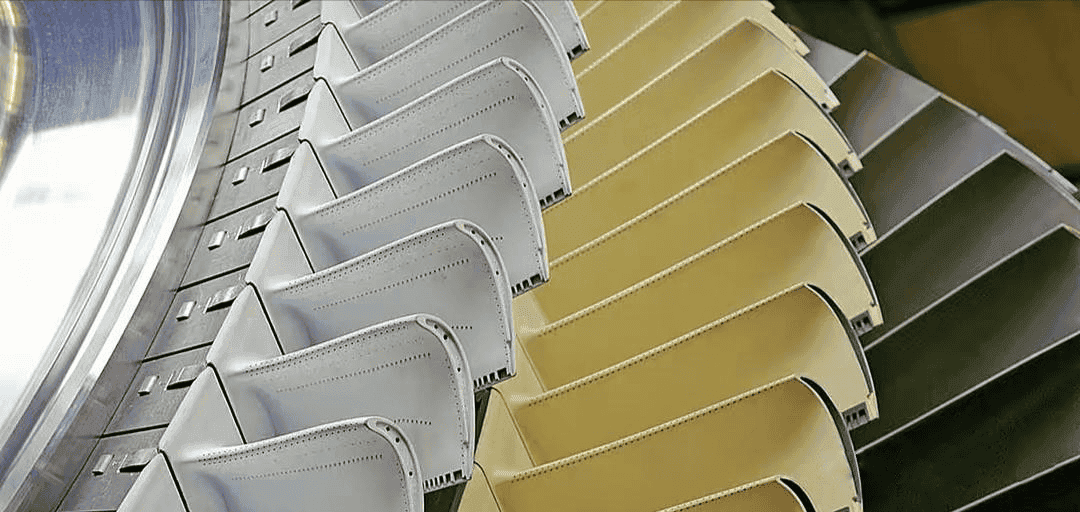
Case 1: Thermal Barrier Coating for Aero-Engine Turbine Blades
Thách thức kỹ thuật
A high-pressure turbine blade for a commercial aero-engine uses superalloys such as DZ125 and DZ406. Operating in high-temperature, high-pressure exhaust flow, blade surface temperature can exceed 1600°C, far beyond the metal’s thermal capability. Under long-term thermal-cycling loads, oxidation, corrosion, and creep damage may occur, threatening engine safety and durability.
EB-PVD Solution
Apply an Electron-Beam Physical Vapor Deposition (EB-PVD) thermal barrier coating system on the blade surface.
First, electroplate platinum and then perform vapor-phase aluminizing to form a PtAl bond layer. Key parameters such as Pt coating thickness and aluminizing temperature are optimized, achieving excellent oxidation resistance at 1150°C.
Next, deposit rare-earth-modified zirconia ceramic (GYb-YSZ) via EB-PVD. High-purity, fine-grain ceramic targets are selected to avoid spatter and ensure uniform columnar-grain microstructure.
Process and Performance
The GYb-YSZ + PtAl coating system endured 4,320 thermal cycles at 1050°C (total dwell time 720 hours) without spallation, demonstrating exceptional thermal-cycle resistance.
By tuning deposition energy, ceramic chemistry and phase structure can be optimized. Studies show LaZrCeO/YSZ dual-ceramic coatings with pyrochlore + fluorite phases achieved an average thermal-cycle life of 1,518 cycles at 1100°C.
Application Value
Blade surface temperature reduction: ~100–150°C
Thermal-shock resistance improvement: >30%
Maintenance interval extension: ~50%
Significant reduction in engine life-cycle cost due to extended blade durability and improved thermal efficiency
Case 2: Thermal-Protection Coatings for Launch-Vehicle Engine Hot-Section and Airframe
Thách thức kỹ thuật
Next-generation launch-vehicle turbo-pump blades and hot-section components experience intense high-temperature, high-velocity combustion gas flow. Meanwhile, the fairing endures >500°C aerodynamic heating during atmospheric transit, and cryogenic tanks face −183°C fuel temperatures. Traditional methods, such as manually bonded thermal cork panels, present risks including delamination, moisture absorption, and labor-intensive processing.
EB-PVD-Based and Derived Solutions
For rocket turbo-pump blades: deposit MCrAlY bond coats and modified YSZ ceramic topcoats via EB-PVD to resist oxidation, erosion, and high-temperature gas impingement.
For integrated thermal protection of fairings and tanks: adopt the “hyperbranched polymer coating” approach developed by Shanghai Jiao Tong University. Although not traditional EB-PVD, it shares the same goal of producing continuous thermal-protection coatings without joints.
Hyperbranched polymer coatings:
Three-dimensional branched molecular structure wraps functional fillers for spray-formability
Reactive end groups form strong bonds with metal substrate
Withstands extreme thermal shock and cryogenic-to-high-temperature transitions
Process and Performance
Plasma-assisted EB-PVD enables denser MCrAlY oxidation-resistant and nitride erosion-resistant coatings, improving service life in complex environments.
Hyperbranched coating system enables one-pass continuous spraying on fairings and tanks, eliminating seams and reducing insulation application time from ~1 month to <1 week, while reducing vehicle mass.
Application Value
Successfully applied to the Long March-6A launch system
Significantly improved launch reliability and turnaround efficiency
Hyperbranched polymer coating technology adopted in major civil projects including Beijing Winter Olympics venues and Paris Olympics facilities, breaking foreign monopolies on advanced industrial coatings
Tóm tắt
EB-PVD thermal barrier coating technology delivers:
High-performance TBC systems for turbine blades and rocket engines
Superior thermal-shock durability and oxidation resistance vs. plasma spray
Precise columnar-grain ceramic coating structures optimized for extreme aerospace environments
Proven performance in commercial aircraft engines and next-gen launch vehicles
Extended component life, reduced thermal load, and lower total ownership cost
This advanced coating approach enables higher efficiency, greater reliability, and improved safety across modern aerospace propulsion and thermal-protection systems.


Technical Summary and Outlook
EB-PVD coating technology, with its unique columnar-grain architecture, plays an irreplaceable role in protecting aerospace components operating under extreme thermal environments.
Key Technical Advantages
Columnar-grain thermal barrier coatings produced via EB-PVD offer exceptional strain tolerance, effectively absorbing and releasing thermal stresses. This significantly enhances thermal-shock resistance and service life under drastic temperature variations.
The process enables precise control of coating composition and microstructure, supporting advanced architectures such as gradient layers and micro-laminated coatings to meet diverse substrate and mission-critical requirements.
Compared with conventional thermal-protection approaches, EB-PVD and its derivative technologies provide critical materials and process support for lightweight, high-reliability, and long-life aerospace systems.
Future Outlook
EB-PVD will evolve toward higher deposition rates, lower costs, and advanced composite coating architectures such as CMAS-resistant and ultra-low-thermal-conductivity layers.
Next-generation TBC materials—including rare-earth-doped zirconia systems and high-entropy ceramics—represent key research directions, targeting lower thermal conductivity and higher phase stability at extreme temperatures.
Hybrid advanced processes, such as plasma-assisted EB-PVD and plasma-spray PVD (PS-PVD), combine the high deposition speed of plasma spray with EB-PVD’s ability to form highly oriented columnar microstructures, offering strong potential for next-generation thermal-barrier coatings.
Kết luận
As a core enabling technology in aerospace engineering, EB-PVD coating technology will continue driving the performance boundaries of flight systems, providing essential protection for future high-temperature propulsion and space-exploration platforms.


