


Știința materialelor de placare cu laser: Selectarea materialelor și inovarea proceselor într-o perspectivă globală
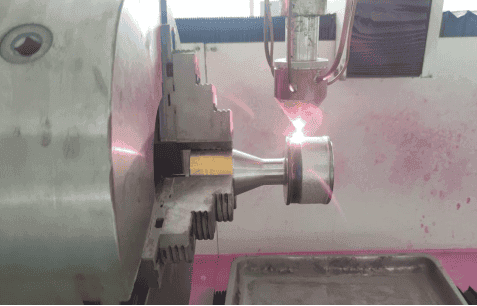
Laser cladding, as an advanced surface engineering technology, greatly relies on the scientific selection of cladding materials for its successful application. This process, involving complex physical, chemical, and metallurgical mechanisms, is highly sensitive to cracking. Among the many factors influencing crack formation, the choice of cladding material plays a crucial role. This article delves into the key characteristics and innovative advancements in laser cladding materials, based on the global technological development landscape.
Core Requirements of Laser Cladding Materials
Precise Performance Matching
Cladding materials must be capable of fully or partially melting under the high-temperature influence of the laser, forming a stable molten pool, and meeting specific service requirements after solidification. Modern industrial applications demand materials that offer precise performance characteristics, such as wear resistance, corrosion resistance, high-temperature performance, and oxidation resistance.
Thermodynamic Stability
During the laser cladding process, materials experience extreme temperature gradients. They must maintain excellent chemical and thermal stability to avoid volatilization, sublimation, harmful chemical reactions, or phase changes at high temperatures, preserving their designed properties. Leading material suppliers globally have developed specialized alloy systems capable of withstanding transient temperatures above 1600°C.
Synergistic Matching of Thermal Physical Properties
Matching the coefficient of thermal expansion (CTE) of the cladding material and the substrate is essential. Research shows that when the difference in CTE exceeds 15%, the risk of cladding layer cracking increases significantly. Ideally, the CTE mismatch should be kept below 8% to effectively reduce the risk of peeling or cracking caused by thermal stress.
Optimization of Interface Wettability
The cladding material must have good wettability with the substrate in its molten state, with a contact angle of less than 90° to ensure a strong metallurgical bond. Active elements such as titanium and zirconium can be added to significantly improve interface wettability.
Precision Control of Powder Properties
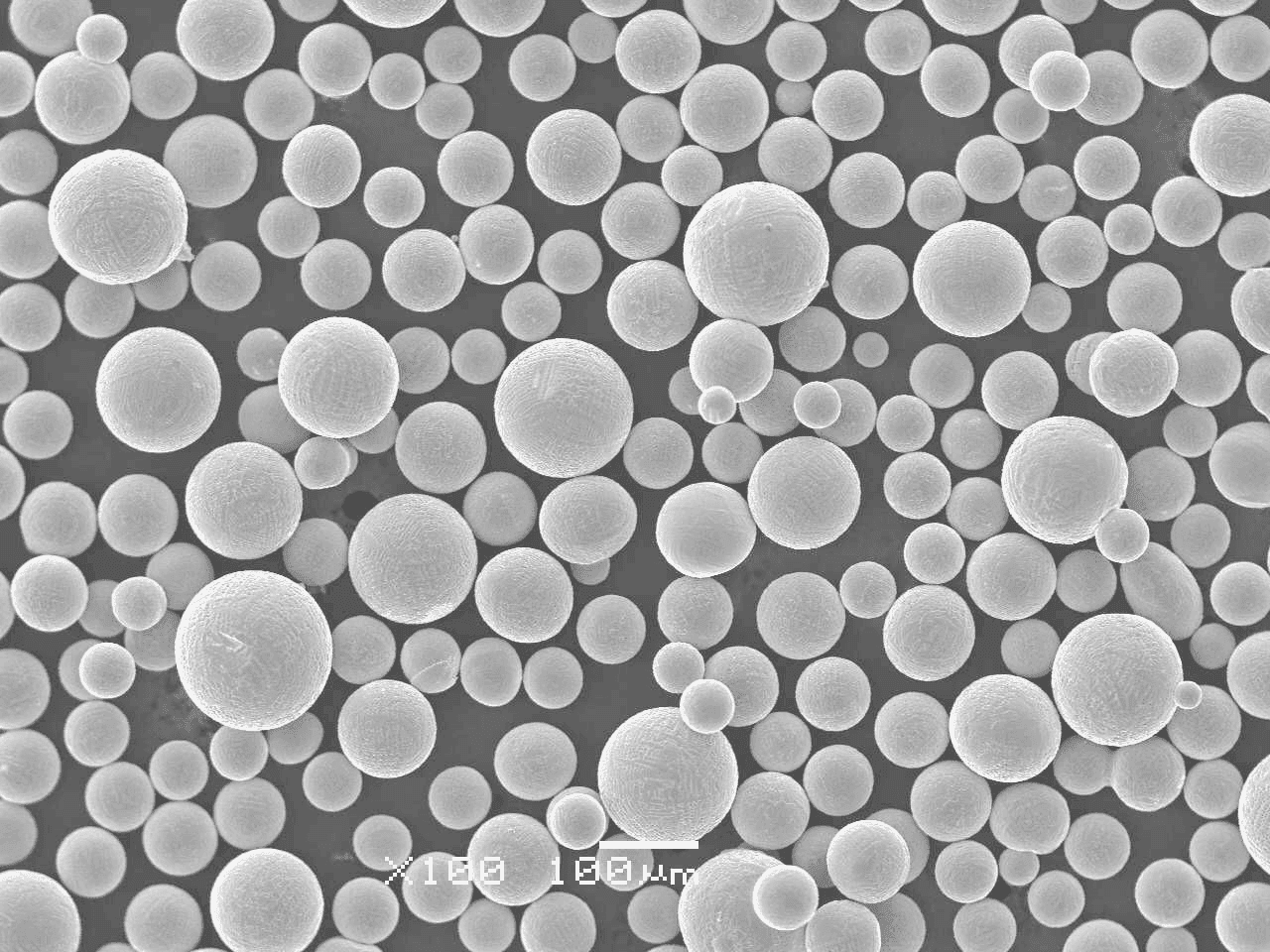
The shape, particle size distribution, and surface condition of powder materials have a decisive impact on process stability. Optimal powder properties include:
- Sphericity greater than 95% with nearly spherical particles
- Particle size distribution concentrated within the 45-150μm range
- Surface oxide layer thickness less than 1μm
- Hall flow rate of less than 25s/50g for excellent flowability
Material System Design and Global Innovation Practices
Based on the specific requirements of different workpieces and service environments, Greenstone-Tech has developed advanced material systems through global technological collaborations and independent innovation, covering multiple series:
Stainless Steel Material Series
- Austenitic Stainless Steel (e.g., 316L, 304L): Known for its excellent corrosion resistance, widely used in medical devices and the food industry. The newly developed ultra-low carbon and nitrogen austenitic stainless steel increases the pitting resistance equivalent to over 40, significantly enhancing its corrosion resistance in chloride environments.
- Martensitic Stainless Steel (e.g., 420, 440C): Achieved by precise carbon content control and heat treatment processes, it improves hardness to HRC55-60 while maintaining sufficient toughness, commonly used in engineering machinery.
- Duplex Stainless Steel (e.g., 2205, 2507): Combining the advantages of austenitic and ferritic phases, it performs excellently in the harsh corrosion environments of the petrochemical industry.
High-Temperature Alloy Systems
- Nickel-based Superalloys (e.g., GH4169, GH3625): These alloys, strengthened by the γ’ phase mechanism, retain outstanding mechanical properties at high temperatures (650-800°C), making them ideal for aerospace engine components.
- Hastelloy and High-Nickel Alloys (e.g., C-276, 625): Known for their unique molybdenum and chromium composition, they demonstrate exceptional durability in highly corrosive environments, making them indispensable in petrochemical and mold manufacturing industries.
Common Alloy Systems and Typical Applications in Laser Additive Manufacturing
| Alloy System | Common Grades | Characteristics | Aplicații tipice |
|---|---|---|---|
| Stainless Steel | Martensitic stainless steel (e.g., 18Ni300, 420, 431) | Wear-resistant, corrosion-resistant | Rollers, flanges, etc. |
| Austenitic stainless steel (e.g., 316L, 304) | Corrosion-resistant | Medical, food industry, etc. | |
| Precipitation-hardening stainless steel (e.g., 17-4PH, 15-5PH) | Corrosion-resistant | Paper industry, etc. | |
| Duplex stainless steel | Corrosion-resistant | Petroleum, chemical industry, etc. | |
| Superalloys | GH4169, GH3625, etc. | Corrosion-resistant | Seawater corrosion-resistant parts, aerospace industry, etc. |
| Hastelloy (e.g., Hastelloy X, C276) | Rezistență la temperaturi ridicate | Chemical equipment, paper industry, etc. | |
| Pure nickel, high-nickel alloys | Corrosion-resistant | Glass molds, etc. | |
| Titanium Alloys | TC4, TA15 | Low density, long fatigue life, corrosion-resistant | Aviation, aerospace |
| Aliaje pe bază de cobalt | CoCr, CoCrMo, CoCrWMo, etc. | Wear-resistant, high-temperature resistant, corrosion-resistant | High-temperature and high-pressure valves, valve seats, etc. |
| Tool Steel | H13 | Hardness, wear resistance | Tools, molds, etc. |
| Babbitt Alloys | Tin-based, lead-based, etc. | Anti-friction | Bearing bushes, etc. |
| Metal Matrix Ceramic Composites | Ni45-60%WC | Wear-resistant | Surface wear-resistant layers |
Cobalt-based Alloy Innovation
Greenstone-Tech has developed a new cobalt-based alloy with optimized carbide-forming elements (such as tungsten and molybdenum), showing excellent wear resistance and thermal fatigue performance under high-temperature and high-pressure conditions, especially suitable for critical components like engine valve seats and turbine seals.
Process Innovation and Equipment Development
Through in-depth research on various material systems, Greenstone-Tech has developed a process parameter database that precisely matches each material system. By utilizing intelligent algorithms, key parameters such as spot size, scanning path, line speed, and overlap rate are optimized to achieve precise control over microstructure.
Smart Equipment Platform
- Integrated Additive and Subtractive System: Combining the flexibility of additive manufacturing with the precision advantages of subtractive processing.
- Ultrahigh-Speed Laser Cladding Equipment: Achieving deposition rates 5-8 times faster than traditional processes.
- Robotic Additive System: Enabling the automated processing of complex surfaces.
- Protective Atmosphere Cladding Equipment: Ensuring oxygen content control below 10 ppm, meeting the demands of active metal processing.
Core Technological Innovations
- Sistem de alimentare cu pulbere: Major breakthroughs include:
- Wear-resistant nozzle design with a lifespan exceeding 2000 hours
- Powder feeding precision control within ±1%
- Maximum powder feed rate increased to 50kg/h
- Powder utilization rate exceeding 95%
Economic Benefits and Industry Applications
Through the synergistic innovation of materials and processes, laser cladding technology has shown significant economic benefits across various industries:
- Energy Equipment: Turbine blades restored by laser cladding have a service life 3-5 times longer than new parts, at only 40%-60% of the cost of new components.
- Industria aerospațială: The repair cycle for engine components has been reduced by 70%, with performance reaching or even exceeding the original new part standards.
Future Development Trends
Material Innovation Directions
- Develop functionally graded materials to achieve continuous performance variation
- Research self-healing material systems to enhance component reliability
- Explore nanostructured composite materials to push the performance limits
Smart Development
- Establish a digital twin system for materials, processes, and performance
- Develop machine-learning-based self-adaptive optimization of process parameters
- Implement full-lifecycle intelligent monitoring and predictive maintenance
Green Manufacturing
- Promote material recycling technologies
- Develop low-temperature, low-energy consumption processes
- Reduce environmental impact during processing
Concluzie
The scientific selection and innovation of laser cladding materials are at the core of driving the continued development of this technology. Greenstone-Tech, through global technological cooperation and continuous research investment, has established a comprehensive material system and process database, providing high-performance, high-efficiency laser cladding solutions for various industries. With the continuous emergence of new materials and processes, laser cladding technology is expected to play an increasingly important role in the transformation and upgrading of the manufacturing industry.
This article, based on the global development status of laser cladding technology and Greenstone-Tech’s engineering practices, offers professional technical references and application guidance for the industry.
Lydia Liu
Dr. Lydia Liu - Cercetător principal, expert în integrarea pieței și a soluțiilor Dr. Lydia Liu este un profesionist hibrid unic, care îmbină perfect expertiza tehnică de top în fabricarea aditivă cu o viziune ascuțită pentru integrarea pieței și a resurselor. În calitate de doctor și cercetător principal în AM, ea posedă cunoștințe tehnice profunde, acționând în același timp ca o punte de legătură esențială între tehnologia de ultimă oră și nevoile pieței. Valoarea sa unică constă în capacitatea sa de a înțelege în profunzime cele mai complexe provocări tehnice cu care se confruntă clienții și, pe baza unei imagini de ansamblu cuprinzătoare a ecosistemului AM global, de a integra cu precizie cele mai bune resurse și soluții tehnice....


