
Laser Cladding: A Revolutionary Technology for Renewing Worn Parts and Extending Equipment Life
October 1, 2025


Introduction to Laser Cladding Technology
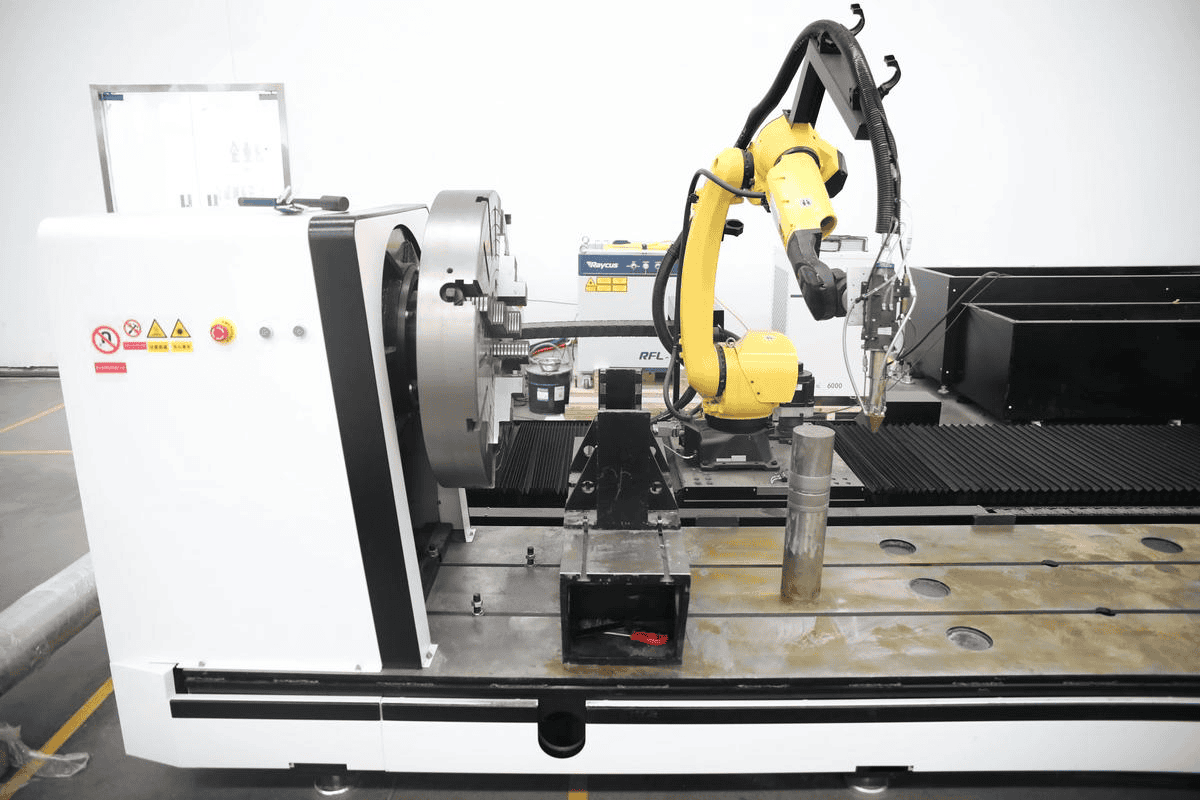
Laser cladding is an advanced surface engineering technology that uses a high-energy laser beam to melt and deposit a cladding material, such as metal powder or wire, onto the surface of a base part. This process forms a durable, wear-resistant, and corrosion-resistant cladding layer, metallurgically bonded to the original component. As an innovative solution for repairing and enhancing worn parts, laser cladding extends the lifespan of critical equipment, significantly reducing the need for costly replacements and improving the performance of various industries.
What are the Key Applications of Laser Cladding?
1. Energy and Heavy Machinery
Critical machinery components like coal mine hydraulic support columns, large rolling mill rollers, steam/water turbine blades, and diesel engine crankshafts are constantly subjected to extreme conditions, including heavy loads, wear, and corrosion. Traditional repairs often require full replacement, which is both costly and leads to significant downtime.
Laser cladding is ideal for addressing this issue. Damaged components can be precisely repaired, restoring their original dimensions and significantly improving wear and corrosion resistance. The cladded components often perform better than new ones, offering longer service life and minimizing downtime.
2. Aerospace Industry
Aircraft engines, especially the blades, operate under extreme conditions of high temperature, pressure, and speed. Over time, blade tips experience erosion and wear, posing a direct threat to engine safety. Replacing these blades is expensive, and maintenance cycles are extended as a result.
With laser cladding, damaged blade tips can be precisely repaired, restoring the original aerodynamic shape and enhancing performance. Additionally, thermal barrier coatings can be applied, enabling blades to withstand higher operating temperatures, thus improving engine efficiency and longevity.
3. Automotive Manufacturing
In the automotive industry, engine exhaust valves and piston rings often face wear and corrosion. Laser cladding addresses these challenges by cladding stainless steel or wear-resistant alloys onto critical components, offering corrosion resistance, high wear resistance, and reducing dust generation. This technology is particularly valuable for high-end automotive manufacturers looking to improve the durability of their components.
4. Coal Mining and Construction Machinery
Shearer picks and scraper conveyors in coal mining equipment are subjected to intense friction with coal and ore, leading to rapid wear. Laser cladding allows manufacturers to pre-clad highly susceptible areas with tungsten carbide composites, significantly extending the service life of these components.
5. Oil and Gas Industry
In the oil and gas industry, drill collars, valve seats, and pipelines face severe corrosion and wear in underground environments. Laser cladding applies nickel-based or cobalt-based alloys to the surfaces of these components, creating protective coatings that improve corrosion resistance and ensure safe, efficient mining operations.
6. Customization and Rapid Prototyping
Laser cladding is ideal for customized or small-batch production of complex components such as specialized molds or artificial bones. Using 3D digital models, the technology can directly print these parts without the need for molds, facilitating rapid prototyping and efficient production.
7. Infrastructure Maintenance
In infrastructure maintenance, laser cladding is used to repair high-speed rail tracks, improving their wear resistance and extending their operational lifespan. This technology plays a crucial role in reducing the cost and time associated with track repairs.
8. Healthcare and Cultural Relic Restoration
Laser cladding technology is also applied in biocompatible implants, creating high-performance materials for healthcare. Additionally, it has been successfully used in restoring precious metal artifacts, precisely repairing and preserving cultural relics.
What Value Does Laser Cladding Bring to Customers?
1. Significant Cost Reduction on Spare Parts
Laser cladding can repair components with surface wear as small as 0.1mm. Repairs can cost only 30%-50% of the price of new parts, resulting in substantial savings in spare part procurement.
2. Minimized Equipment Downtime
Unlike traditional methods that may take weeks or months for full replacement, laser cladding repairs can be completed in just days. For industries like steel mills or power plants, saving even a single day of downtime can translate into significant financial gains, reducing losses in the range of hundreds of thousands to millions of yuan.
3. Extended Component Lifespan and Reduced Long-Term Costs
Components repaired using laser cladding can last 1-3 times longer than new parts, reducing the frequency of replacements and ultimately lowering long-term operational costs. This contributes to better cost-efficiency and asset management over time.
Conclusion: Laser Cladding as a Key Technology for Equipment Longevity and Green Manufacturing
Laser cladding is a cutting-edge technology that allows for precise repair, surface enhancement, and functional modification of worn metal components. It is widely adopted across various industries, including energy, aerospace, automotive, mining, and oil, offering numerous advantages such as cost savings, reduced downtime, and extended equipment life.
As industries continue to prioritize sustainability and operational efficiency, laser cladding technology stands out as a solution that not only improves component performance but also promotes green remanufacturing by minimizing waste and reducing the need for new parts. By adopting laser cladding, companies can enhance their operations, reduce costs, and extend the service life of their critical equipment.
Thomas Tong
Laser Cladding Equipment Engineering Director & Industrial System Integration Expert Thomas Tong serves as Greenstone’s Laser Cladding Equipment Engineering Director, focusing on laser processing equipment development, manufacturing integration, automation systems, and turnkey industrial solution implementation. With comprehensive experience in industrial equipment engineering and advanced manufacturing systems, Thomas leads the design, integration, and optimization of Greenstone’s laser cladding equipment platforms, including robotic laser cladding systems, multi-axis processing systems, automated production solutions, and customized industrial equipment. His expertise covers the complete equipment development process, from mechanical structure design, laser system integration, motion control coordination, electrical engineering, automation programming, and final commissioning. Through…