
High-Speed Laser Cladding Equipment: R&D Breakthroughs, Product Portfolio, and Market Adoption
October 9, 2025


Meta Description:
Discover how high-speed Laser cladding equipment from Greenstone-Tech advances R&D, product lines (2000W/4000W/6000W), and intelligent systems for industrial applications.
1) Why High-Speed Laser Cladding Matters
High-speed Laser cladding is redefining surface engineering by delivering dense, metallurgically bonded coatings with low heat input and minimal substrate distortion. Since 2017, Greenstone-Tech has focused on the R&D, manufacturing, and commercialization of high-speed Laser cladding equipment, building a technology stack with fully independent IP and clear differentiation in the market.
2) Complete Product Portfolio for Laser Cladding
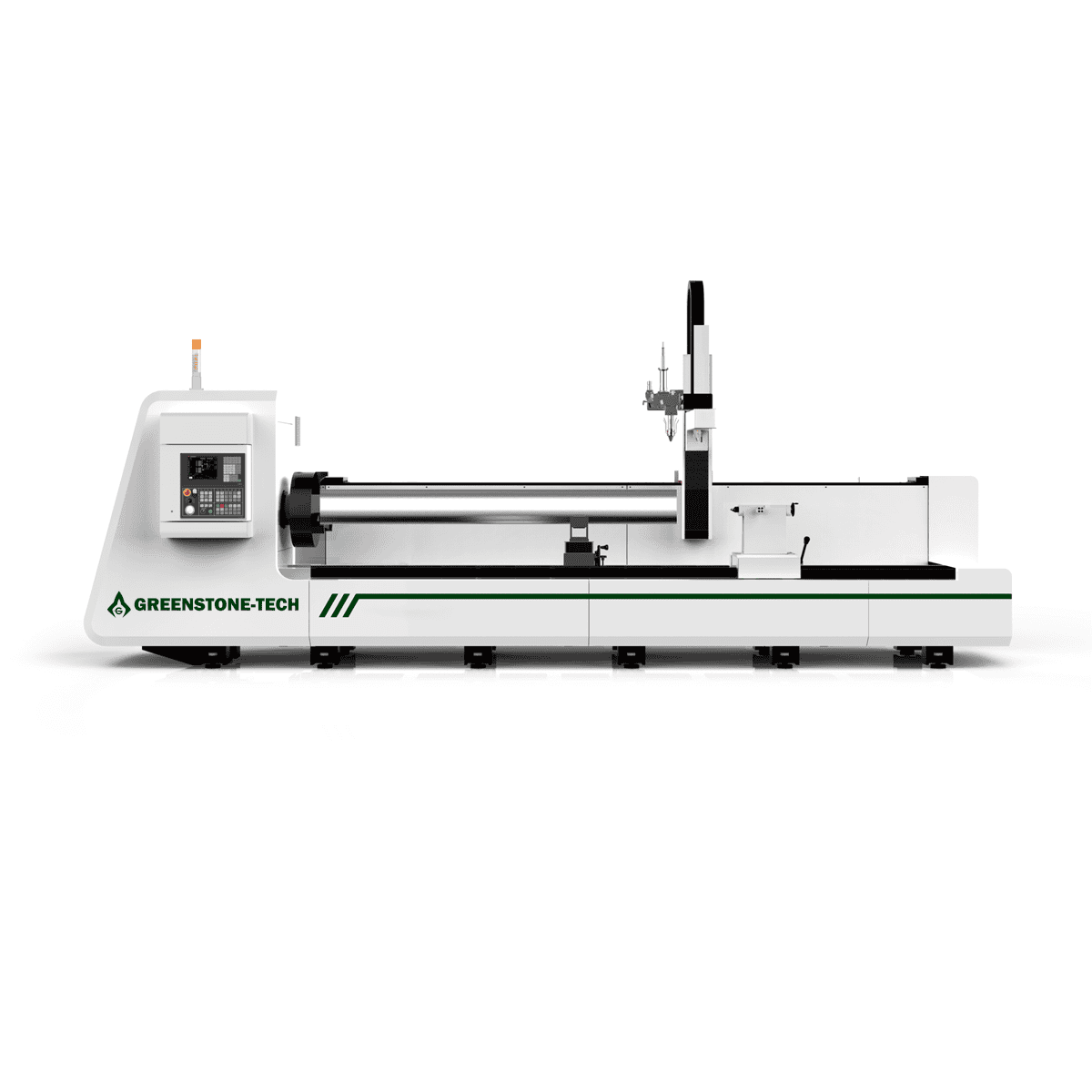
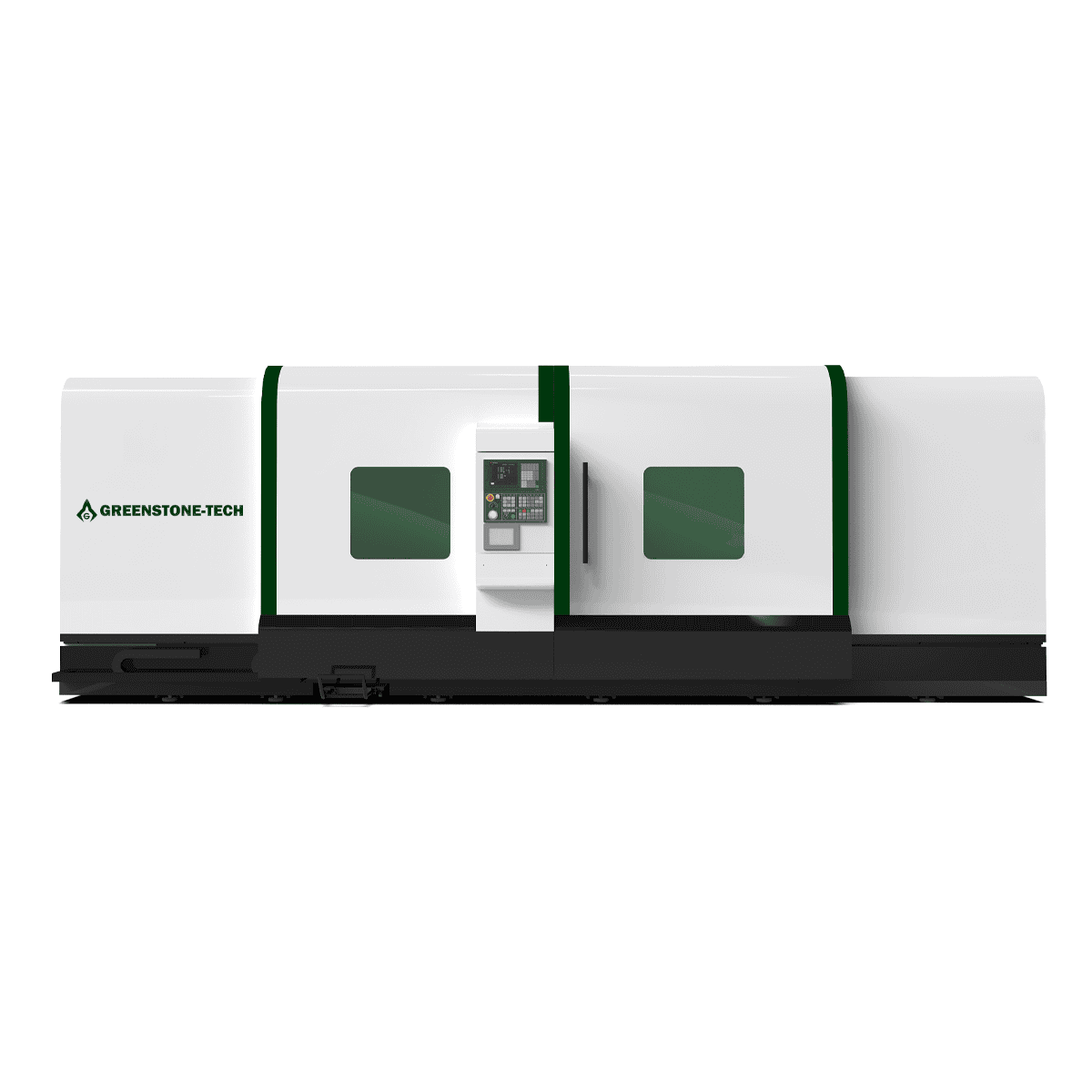
Greenstone-Tech offers a full matrix of high-speed Laser cladding systems tailored to both outer-wall and inner-bore operations:
Outer-wall Laser cladding systems: 2000W, 4000W, 6000W
Inner-bore Laser cladding systems: 2000W, 4000W, 6000W
The 6000W inner-bore Laser cladding system fills a long-standing industry gap, showcasing the company’s leadership in high-speed Laser cladding equipment.
3) System Architecture & Intelligent Integration
Each high-speed Laser cladding solution integrates five core modules for end-to-end reliability:
Laser source
Powder feeder
Cladding head
Water chiller
Motion system
Unlike loosely assembled components, Greenstone-Tech’s high-speed Laser cladding equipment features deep logical coordination and smart interlocking between modules—for example, the water chiller auto-adjusts cooling based on real-time laser temperature, and the powder feeder interlocks with shielding-gas control for stable powder delivery and oxidation prevention. This intelligent design reduces operator workload and error risk while boosting safety and uptime in demanding Laser cladding workflows.
4) Use Cases & Market Momentum
High-speed Laser cladding equipment is being adopted across high-end manufacturing and remanufacturing, where it improves coating adhesion, wear/corrosion resistance, and part life—translating to lower lifecycle costs and greener production. As a pioneer of domestic high-speed Laser cladding technology, Greenstone-Tech continues to scale applications and accelerate market adoption, supporting industrial upgrading and sustainable growth.
5) Key Benefits at a Glance
Higher reliability: Metallurgical bonding and dense coatings via high-speed Laser cladding
Process stability: Intelligent cooling and gas/powder interlocks
Broader coverage: Outer-wall and inner-bore Laser cladding (2000W/4000W/6000W)
Industry leadership: 6000W inner-bore Laser cladding closes a critical market gap
6) FAQs on Laser Cladding Equipment
Q1: What sets high-speed Laser cladding apart?
High traversal speeds, low heat input, and dense metallurgical bonds deliver superior coating performance and efficiency in production.
Q2: Where is Laser cladding most useful?
In high-value parts and harsh environments—power generation, mining, petrochemical, rail/shipbuilding, aerospace, and heavy manufacturing—where extended life and low distortion are crucial.
Q3: How does intelligent integration help?
Closed-loop cooling and gas/powder interlocks stabilize the Laser cladding process, reduce defects, and simplify operations.
David Cheung
Laser Cladding Technology Director & Advanced Manufacturing Process Expert David Cheung serves as Greenstone’s Laser Cladding Technology Director, specializing in advanced surface engineering technologies, laser cladding process development, material optimization, and industrial remanufacturing applications. With extensive experience in laser-based manufacturing technologies and metal surface enhancement processes, David leads the development and optimization of Greenstone’s laser cladding solutions, including powder-fed laser cladding, high-speed laser cladding, internal bore cladding, laser hardening, and integrated repair technologies. His professional expertise covers the complete technical workflow from material analysis, process parameter development, coating performance evaluation, and application validation to industrial implementation. By combining fundamental material…