
Fluoride Ion Cleaning Technology: Principles, Process Verification, and Industrial Applications
March 4, 2024


Introduction
Fluoride Ion Cleaning (FIC), sometimes referred to as Fluoride Ion Technology (FIT), is an advanced surface preparation process developed for the removal of stable oxide films and contaminants from high-performance metallic components. Unlike conventional mechanical cleaning or chemical pickling methods, fluoride ion cleaning utilizes carefully controlled chemical reactions to selectively remove oxide layers while minimizing damage to the underlying substrate.
Today, this technology has attracted increasing attention across precision manufacturing and advanced surface engineering because it enables highly effective surface preparation before joining, coating, diffusion bonding, brazing, laser processing, inspection, and other critical manufacturing operations. It is particularly valuable for engineering alloys that naturally form dense and chemically stable oxide layers, where conventional cleaning methods often struggle to achieve sufficient cleanliness without affecting substrate quality.
As modern industries continue demanding greater manufacturing precision, higher process consistency, and longer component service life, fluoride ion cleaning has become an important enabling technology for high-value industrial components requiring superior surface integrity and reliable metallurgical performance.
What Is Fluoride Ion Cleaning Technology?
Fluoride Ion Cleaning is a specialized surface treatment process designed to remove oxide films, carbon deposits, embedded contaminants, and other surface impurities from precision metal components.
Rather than relying on abrasive mechanical methods, the process uses controlled fluoride-based chemical reactions to selectively dissolve oxide layers while preserving the dimensional accuracy and metallurgical characteristics of the substrate. This non-contact approach makes the technology particularly suitable for precision-engineered components with complex geometries, narrow passages, internal cavities, and finely machined surfaces.
Compared with conventional cleaning techniques, fluoride ion cleaning offers excellent process repeatability, outstanding cleaning efficiency, and extremely low substrate damage, providing an ideal surface condition for subsequent manufacturing processes.
Why Fluoride Ion Cleaning Matters
Many engineering materials—including nickel-based alloys, cobalt-based alloys, titanium alloys, stainless steels, and other high-performance materials—naturally develop dense oxide films during manufacturing or long-term service.
While these oxide layers help protect components during operation, they often become significant obstacles during remanufacturing, precision joining, coating deposition, surface modification, or repair processes.
Incomplete oxide removal may result in:
- Poor metallurgical bonding
- Reduced joining quality
- Coating defects
- Surface contamination
- Reduced inspection reliability
- Lower fatigue performance
- Inconsistent manufacturing quality
Fluoride ion cleaning addresses these challenges by producing a clean, chemically active surface while maintaining the mechanical integrity of the base material.
Working Principle
The fluoride ion cleaning process combines controlled chemical reactions with precisely regulated processing conditions to remove surface oxides without aggressive mechanical action.
During processing, fluoride-containing active species react preferentially with stable oxide films, converting them into removable reaction products. The remaining residues are then extracted under controlled process conditions, exposing fresh metallic surfaces while minimizing substrate damage.
Because the reaction is highly selective, the process is capable of cleaning complex internal geometries, narrow gaps, micro-cracks, and difficult-to-access regions that are often inaccessible using conventional mechanical cleaning techniques.
Proper parameter control—including temperature, atmosphere, reaction time, and cleaning chemistry—is essential to achieving repeatable cleaning quality while preventing excessive material removal.
Typical Industrial Processing Workflow
Although processing parameters vary according to material type and application requirements, a representative fluoride ion cleaning workflow generally includes the following steps:
Surface Assessment
Components are inspected to evaluate oxidation levels, contamination, and overall surface condition before cleaning.
Pre-Cleaning Preparation
Oil, grease, loose contaminants, and machining residues are removed using conventional cleaning methods to improve fluoride ion cleaning efficiency.
Controlled Fluoride Ion Cleaning
The component is processed under carefully controlled environmental conditions to remove dense oxide layers while maintaining substrate integrity.
Residue Removal
Reaction products and residual fluoride compounds are thoroughly removed to ensure surface cleanliness and prevent contamination during subsequent manufacturing operations.
Final Inspection
Cleaned surfaces are evaluated through visual inspection, dimensional verification, and, where required, advanced analytical methods to confirm cleaning effectiveness.
Surface Preparation Before Precision Joining
One of the most valuable applications of fluoride ion cleaning is surface preparation before high-precision joining processes.
Engineering components that require diffusion bonding, brazing, laser joining, or other metallurgical joining methods often depend on extremely clean metallic surfaces to achieve reliable bonding performance.
Dense oxide films remaining on the surface may prevent proper metallurgical interaction between joining materials, leading to defects such as incomplete bonding, void formation, or reduced mechanical strength.
Fluoride ion cleaning effectively removes these oxide barriers while preserving the original substrate geometry, providing an ideal surface condition for subsequent joining operations.
The technology is particularly suitable for precision components manufactured from nickel-based alloys, cobalt-based alloys, titanium alloys, stainless steels, and other engineering materials that naturally develop chemically stable oxide layers during service or heat treatment.
Typical Industrial Applications
Today, fluoride ion cleaning technology is increasingly studied and applied across a wide range of precision manufacturing industries, including:
- Precision metal components
- Industrial turbomachinery components
- Turbine blades
- Guide vanes
- Nozzle rings
- Diffusers
- Precision castings
- Mold and tooling components
- Medical manufacturing
- Precision instruments
- High-performance valves
- Industrial flow-control components
- Energy equipment
- Advanced engineering materials
- Surface engineering and remanufacturing
These applications demonstrate the growing importance of advanced surface preparation technologies in achieving consistent manufacturing quality, improved joining performance, and longer service life for high-value industrial components.


Experimental Verification and Surface Characterization
Fluoride ion cleaning technology has been extensively evaluated through laboratory research and representative industrial verification programs to assess its ability to remove stable oxide films while preserving substrate integrity. Typical validation procedures combine visual inspection with advanced analytical methods to evaluate surface cleanliness, metallurgical condition, and process consistency before and after cleaning.
The primary objective is not only to eliminate surface contamination but also to prepare high-value metal components for subsequent manufacturing processes while maintaining dimensional accuracy and material properties.
Surface Condition Before Cleaning
Engineering alloys exposed to elevated temperatures or long-term industrial service generally develop dense oxide films together with carbon deposits, embedded contaminants, and surface discoloration.
Typical surface characteristics before cleaning include:
- Dense oxide layers
- Carbon deposits
- Surface contamination
- Uneven coloration
- Reduced metallic luster
- Localized oxidation inside surface defects
- Residual contamination within narrow gaps and complex geometries
These surface conditions can negatively influence joining quality, coating adhesion, inspection accuracy, and long-term component reliability if not completely removed before subsequent processing.
Surface Condition After Cleaning
Following controlled fluoride ion cleaning, representative studies demonstrate significant improvements in overall surface condition.
Typical observations include:
- Complete removal of oxide films
- Significantly cleaner metallic surfaces
- Improved surface uniformity
- Enhanced metallic appearance
- Removal of embedded contaminants
- Improved accessibility of narrow gaps and complex features
- Better preparation for precision joining and coating processes
Rather than altering the substrate itself, fluoride ion cleaning restores the original metallic surface condition while maintaining dimensional accuracy and minimizing substrate damage.
The resulting surface provides a highly suitable foundation for downstream manufacturing operations requiring excellent metallurgical quality.
Experimental Surface Analysis
Multiple analytical techniques are commonly employed to evaluate cleaning performance and verify process effectiveness.
Representative inspection methods include:
Visual Inspection
Direct comparison of component appearance before and after cleaning provides an initial assessment of oxide removal and surface cleanliness.
Typical improvements include:
- More uniform surface appearance
- Removal of discoloration
- Reduced visible contamination
- Improved metallic brightness
Fluorescent Penetrant Inspection (FPI)
After surface preparation, fluorescent penetrant inspection is frequently performed to evaluate the condition of surface-connected defects.
Because oxide layers and contaminants have been removed, inspection sensitivity is often improved, allowing surface indications to be observed more clearly.
This contributes to more reliable quality assessment before subsequent manufacturing operations.
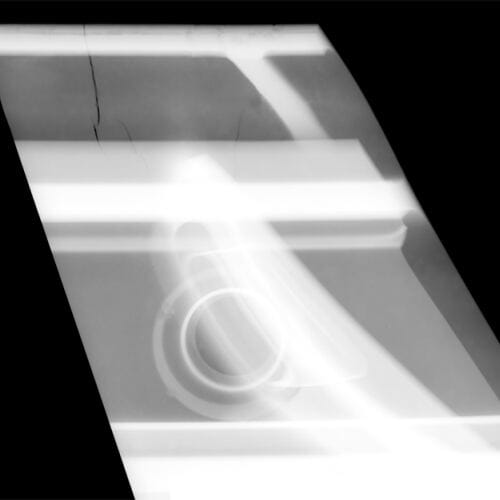
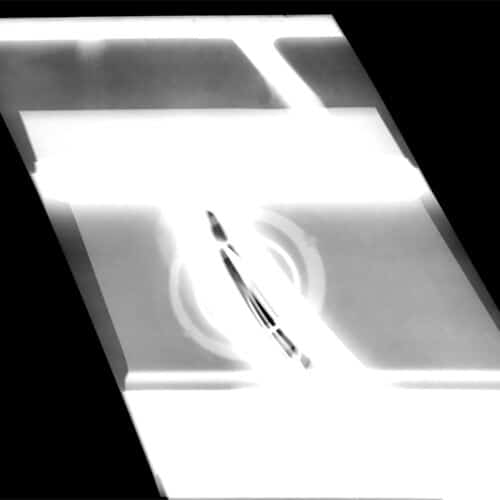
X-Ray Inspection
Where internal integrity verification is required, X-ray inspection may be performed before and after manufacturing processes.
Combined with proper surface preparation, improved joining quality can often be confirmed through more consistent internal structures and reduced defect indications.
X-ray inspection provides valuable verification for precision joining applications requiring high structural reliability.
Metallographic Examination
Cross-sectional metallographic analysis is commonly used to evaluate:
- Surface condition
- Oxide removal effectiveness
- Metallurgical continuity
- Microstructural integrity
- Substrate preservation
Representative studies generally demonstrate that fluoride ion cleaning effectively removes oxide layers without introducing significant microstructural damage to the substrate.



Scanning Electron Microscopy (SEM)
Scanning Electron Microscopy provides high-resolution observation of microscopic surface morphology before and after cleaning.
Representative SEM studies typically reveal:
Before cleaning:
- Dense oxide coverage
- Irregular surface contamination
- Carbon deposits
- Embedded oxide particles
- Surface irregularities
After cleaning:
- Cleaner metallic surface
- Reduced oxide residues
- More homogeneous morphology
- Better exposure of the metallic substrate
- Improved surface consistency
SEM observations demonstrate that the cleaning process effectively removes stable oxide films while preserving the original substrate geometry.
Energy Dispersive Spectroscopy (EDS) Analysis
Elemental analysis performed using Energy Dispersive Spectroscopy (EDS) further confirms the effectiveness of fluoride ion cleaning.
Representative comparisons generally show:
- Significant reduction in oxygen content
- Increased exposure of substrate alloying elements
- Cleaner elemental distribution
- Reduced surface contamination
These changes indicate successful removal of oxide films rather than alteration of the base material itself.
The reduction in oxygen concentration is widely recognized as an important indicator of improved surface preparation for subsequent joining, coating, and precision manufacturing processes.
Cleaning Performance Evaluation
Based on representative industrial studies, fluoride ion cleaning demonstrates consistent improvements across several key performance indicators.
Typical results include:
- Efficient removal of stable oxide films
- Excellent preservation of substrate integrity
- Improved inspection reliability
- Better metallurgical surface condition
- Enhanced preparation for joining and coating
- Reduced surface contamination
- High process repeatability
- Consistent cleaning quality across complex geometries
These characteristics make fluoride ion cleaning an increasingly valuable technology for high-value precision manufacturing applications requiring exceptional surface quality and reliable process control.
Surface Preparation Before Advanced Manufacturing
A clean metallic surface is fundamental to many advanced manufacturing processes.
Following fluoride ion cleaning, components are better prepared for operations such as:
- Precision brazing
- Diffusion bonding
- Laser joining
- Surface coating
- Thermal spraying
- Laser cladding
- Precision welding
- Surface modification
- Advanced inspection
- Remanufacturing
By eliminating chemically stable oxide films before these processes, fluoride ion cleaning helps improve metallurgical bonding quality, manufacturing consistency, and overall component reliability.
Representative Industrial Studies
Published engineering studies have demonstrated that fluoride ion cleaning can significantly improve surface preparation quality for precision metal components manufactured from nickel-based alloys, cobalt-based alloys, titanium alloys, stainless steels, and other advanced engineering materials.
Although specific process parameters vary according to material composition and manufacturing requirements, the overall objective remains consistent:
- Remove stable oxide films
- Preserve substrate integrity
- Improve manufacturing quality
- Enhance inspection reliability
- Support high-quality downstream processing
These findings continue to support the growing adoption of fluoride ion cleaning as an advanced surface preparation technology within modern precision manufacturing and surface engineering.

| Element | Wt% | Wt%Sigma | At% |
| 0 | 26.85 | 0.79 | 54.58 |
| Cr | 68.76 | 0.81 | 43.00 |
| Co | 4.38 | 0.44 | 2.42 |
| total | 100 | – | 100 |

| Element | Wt% | Wt%Sigma | At% |
| 0 | 7.91 | 1.04 | 22.04 |
| Cr | 82.37 | 1.19 | 70.61 |
| Co | 7.46 | 0.62 | 5.64 |
| Ni | 2.25 | 0.55 | 1.71 |
| total | 100 | – | 100 |
Technical Advantages
Fluoride Ion Cleaning has become an important surface preparation technology because it combines high cleaning efficiency with excellent substrate protection. Compared with many conventional cleaning methods, it provides greater process consistency, improved surface quality, and enhanced preparation for downstream manufacturing operations.
Efficient Oxide Film Removal
The process effectively removes dense oxide films, carbon deposits, and surface contaminants that are difficult to eliminate using conventional mechanical cleaning techniques. This enables a cleaner metallic surface for subsequent processing.
Minimal Substrate Damage
As a non-contact surface treatment process, fluoride ion cleaning minimizes mechanical damage, dimensional variation, and surface deformation while preserving the original geometry of precision components.
Excellent Process Repeatability
Carefully controlled process parameters provide highly repeatable cleaning results, making the technology suitable for batch production and high-value precision manufacturing.
Enhanced Manufacturing Quality
Proper surface preparation improves the consistency of subsequent joining, coating, inspection, and remanufacturing processes by providing a clean and chemically active metallic surface.
Compatibility with Complex Geometries
The technology is particularly suitable for components containing narrow passages, internal cavities, complex contours, and intricate surface features that are difficult to clean using conventional methods.
Improved Inspection Reliability
Removing oxide films and surface contaminants improves the effectiveness of non-destructive inspection methods, allowing surface conditions to be evaluated more accurately before manufacturing or repair operations.
Environmentally Responsible Processing
Compared with many traditional chemical cleaning methods, modern fluoride ion cleaning processes are designed to improve process controllability, reduce unnecessary material consumption, and support cleaner industrial manufacturing practices under properly managed processing conditions.
Current Technical Challenges
Although fluoride ion cleaning offers significant advantages, successful implementation requires careful process development and strict quality control.
Several factors influence cleaning performance, including:
- Material composition
- Oxide layer thickness
- Component geometry
- Surface condition
- Processing temperature
- Reaction atmosphere
- Cleaning duration
- Residue removal procedures
Optimizing these parameters is essential to achieve effective oxide removal while maintaining substrate integrity and dimensional accuracy.
For this reason, fluoride ion cleaning is generally applied as part of a comprehensive manufacturing process rather than as an isolated operation.
Future Development
As advanced manufacturing continues to evolve, surface preparation technologies are expected to play an increasingly important role in improving manufacturing quality and production efficiency.
Future research is focused on:
- Higher process automation
- Improved cleaning consistency
- Digital process monitoring
- Intelligent parameter optimization
- Enhanced environmental performance
- Integration with advanced joining technologies
- Improved compatibility with new engineering materials
- Higher manufacturing efficiency for precision components
At the same time, advanced analytical technologies—including SEM, EDS, X-ray inspection, and digital surface characterization—will continue supporting process verification and quality assurance throughout industrial production.
These developments are expected to further expand the application of fluoride ion cleaning within precision manufacturing and advanced surface engineering.
Industrial Significance
Fluoride ion cleaning is increasingly recognized as an enabling technology for modern precision manufacturing because surface quality directly influences the performance of many downstream manufacturing processes.
By providing effective oxide removal while preserving substrate integrity, the technology supports:
- Precision joining
- Surface engineering
- Advanced coating processes
- Remanufacturing
- High-value component restoration
- Quality inspection
- Precision machining
- Engineering research and process development
As manufacturing standards continue to increase, reliable surface preparation technologies are becoming an essential part of producing high-performance industrial components with consistent quality and long service life.
Greenstone Surface Engineering Services
Greenstone continuously follows developments in advanced surface engineering and precision manufacturing technologies to provide customers with reliable processing solutions for high-value industrial components.
Our services focus on precision metal component manufacturing, surface engineering, laser processing, additive manufacturing, remanufacturing, and related industrial processing technologies. According to customer materials, component geometry, operating conditions, and quality requirements, appropriate manufacturing processes are selected to achieve consistent product quality and reliable engineering performance.
Through continuous attention to emerging manufacturing technologies and engineering best practices, Greenstone remains committed to supporting customers with practical, high-quality industrial processing solutions for precision metal components.
Conclusion
Fluoride Ion Cleaning represents one of the most advanced surface preparation technologies currently used in precision manufacturing and surface engineering. Its ability to selectively remove stable oxide films while preserving substrate integrity provides significant advantages over many conventional cleaning methods.
Combined with modern analytical techniques—including visual inspection, fluorescent penetrant inspection, X-ray analysis, metallographic examination, Scanning Electron Microscopy (SEM), and Energy Dispersive Spectroscopy (EDS)—the technology offers a comprehensive approach to evaluating and improving surface quality before critical manufacturing operations.
As engineering materials continue to evolve and manufacturing tolerances become increasingly demanding, advanced surface preparation will remain a key factor in achieving reliable joining, coating, inspection, and remanufacturing results.
Rather than serving a single industry, fluoride ion cleaning has become a valuable enabling technology across precision manufacturing, industrial surface engineering, energy equipment, medical manufacturing, mold and tooling, industrial turbomachinery, and other high-value industrial applications.
By combining scientific process control with advanced materials engineering, fluoride ion cleaning continues to contribute to higher manufacturing quality, improved process reliability, and longer service life for precision metal components throughout modern industry.


David Cheung
Laser Cladding Technology Director & Advanced Manufacturing Process Expert David Cheung serves as Greenstone’s Laser Cladding Technology Director, specializing in advanced surface engineering technologies, laser cladding process development, material optimization, and industrial remanufacturing applications. With extensive experience in laser-based manufacturing technologies and metal surface enhancement processes, David leads the development and optimization of Greenstone’s laser cladding solutions, including powder-fed laser cladding, high-speed laser cladding, internal bore cladding, laser hardening, and integrated repair technologies. His professional expertise covers the complete technical workflow from material analysis, process parameter development, coating performance evaluation, and application validation to industrial implementation. By combining fundamental material…