
Cold Spray Functional Coatings for Conductivity, Corrosion and Wear Protection
Project Overview
As one of GREENSTONE’s successfully implemented cold spray functional coating projects, this case demonstrates how cold spray technology can be used not only for additive manufacturing and dimensional restoration, but also for creating engineered metallic surfaces with specific functional properties.
Different industrial components require very different surface functions. In electric vehicle and energy applications, components may require enhanced electrical conductivity or localized copper metallization. Polymer components may need a metallic conductive surface while retaining the lightweight characteristics of the underlying substrate. Other industrial components may require zinc, aluminum or other metallic coatings for corrosion protection, while wear-intensive components require specialized protective layers to improve surface durability.
Conventional electroplating, thermal spraying, welding and other coating technologies can be limited by substrate compatibility, heat input, coating thickness, oxidation, environmental requirements or bonding performance.
For these applications, GREENSTONE has implemented cold spray functional coating solutions based on different substrate materials, coating materials and service requirements. The process uses high-velocity solid-state particle deposition to build metallic coatings while maintaining relatively low thermal input, providing a flexible technical route for conductive, protective and other functional surfaces.
This represents one application category within GREENSTONE’s broader cold spray capabilities. Actual coating materials, thicknesses and process parameters are developed according to the customer’s substrate, component geometry and required surface performance.
Cold Spray Functional Coating Process
Cold spray differs fundamentally from conventional thermal spray processes.
During processing, metallic powder particles are accelerated to high velocities by a controlled gas stream and impact the prepared substrate while remaining predominantly in the solid state. The high-velocity impact causes severe plastic deformation at the particle/substrate and particle/particle interfaces, progressively forming a dense metallic coating.
Because the process does not rely on fully melting the feedstock, thermal effects, oxidation and heat-induced changes to the substrate can be substantially reduced.
This characteristic makes cold spray particularly attractive for temperature-sensitive substrates, conductive metallic coatings, corrosion-resistant coatings and applications requiring relatively thick metallic deposits.
Depending on the application, GREENSTONE can integrate surface preparation, cold spray deposition, machining, polishing and other post-processing steps into a complete coating solution.
Typical Functional Coating Applications
1. Copper Coatings for EV Battery Electrical Components
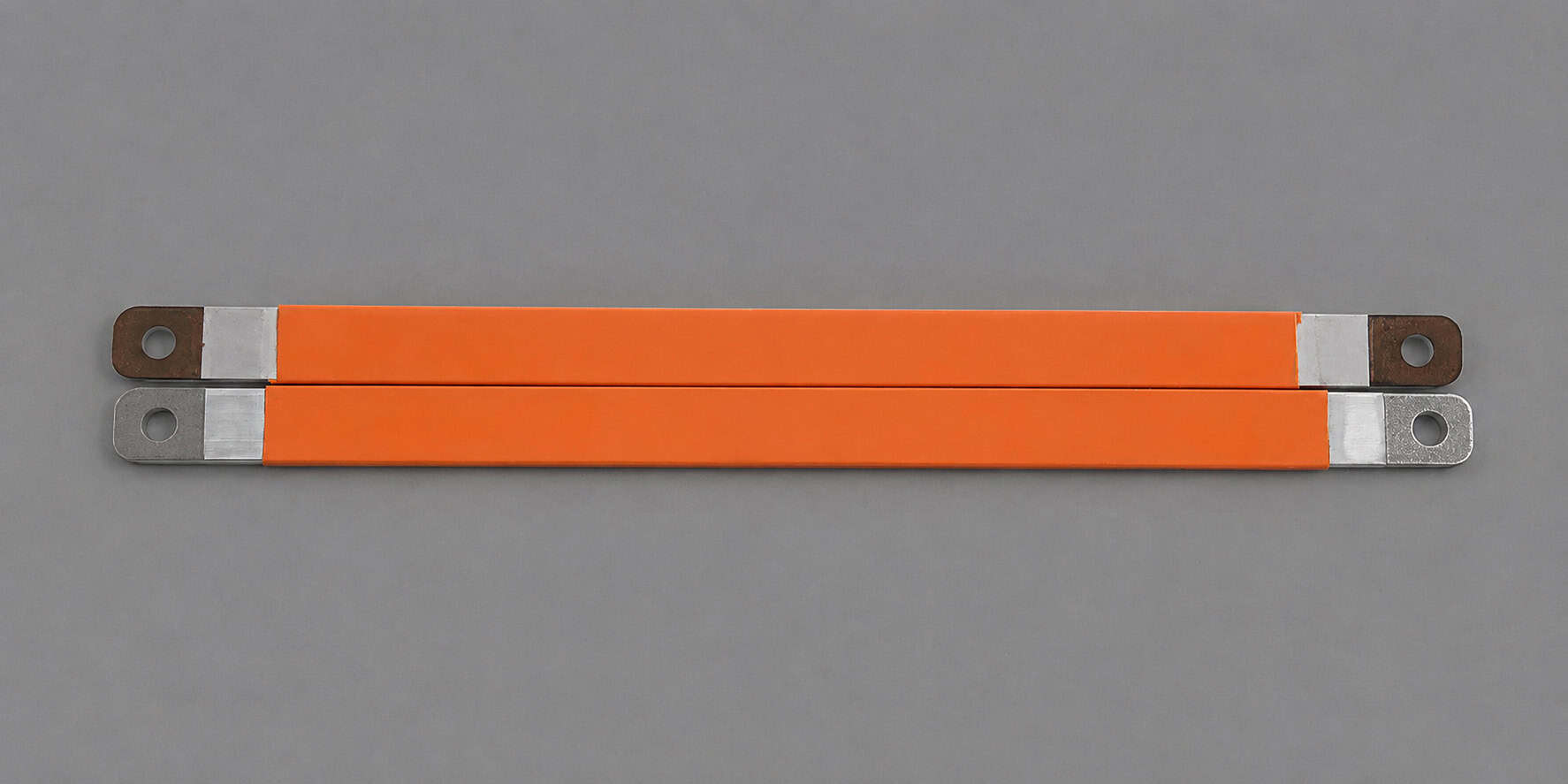
In electric vehicle battery systems, busbars, battery interconnects, terminals and other electrical connection components require stable electrical conductivity and reliable surface performance.
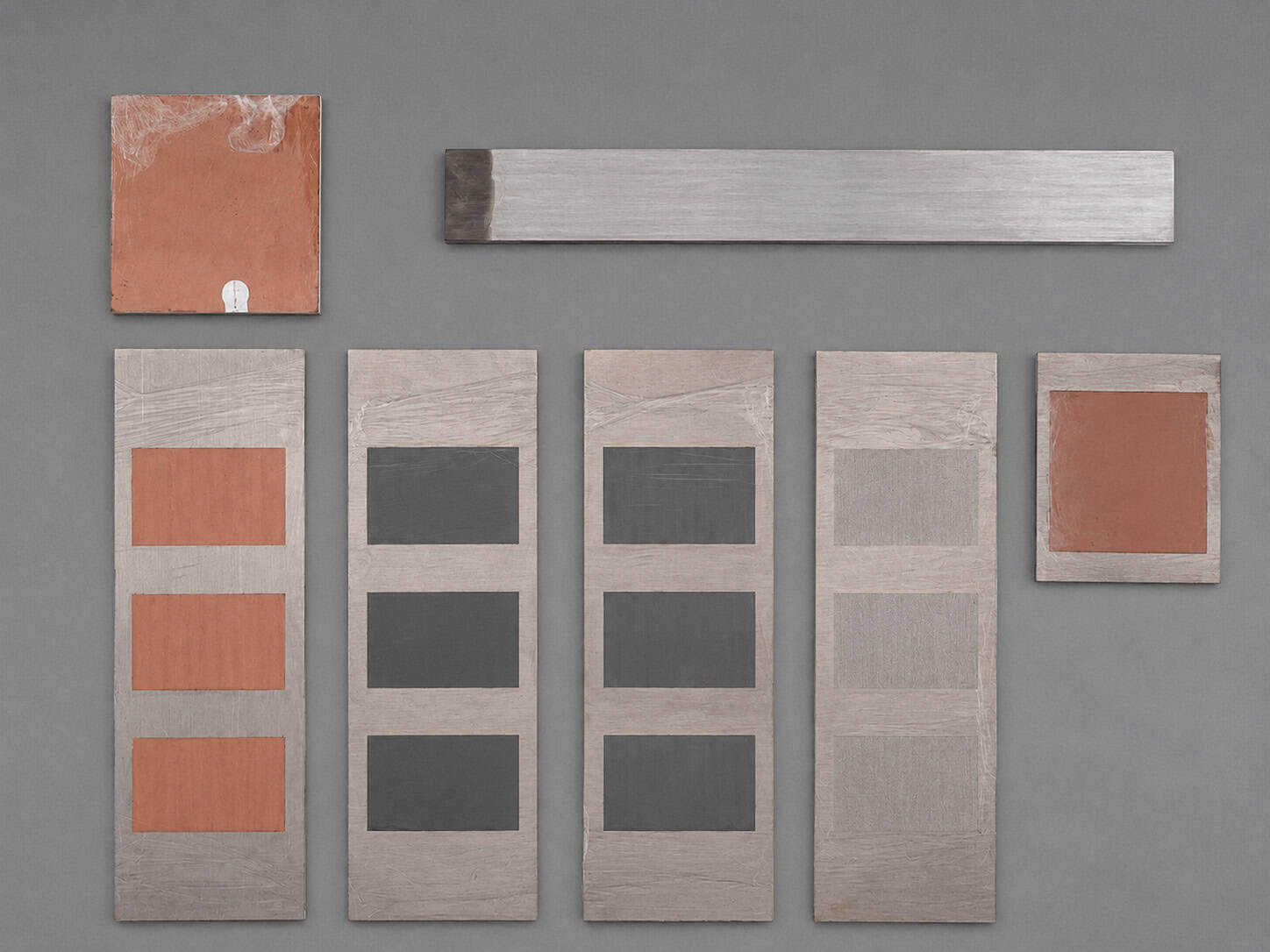
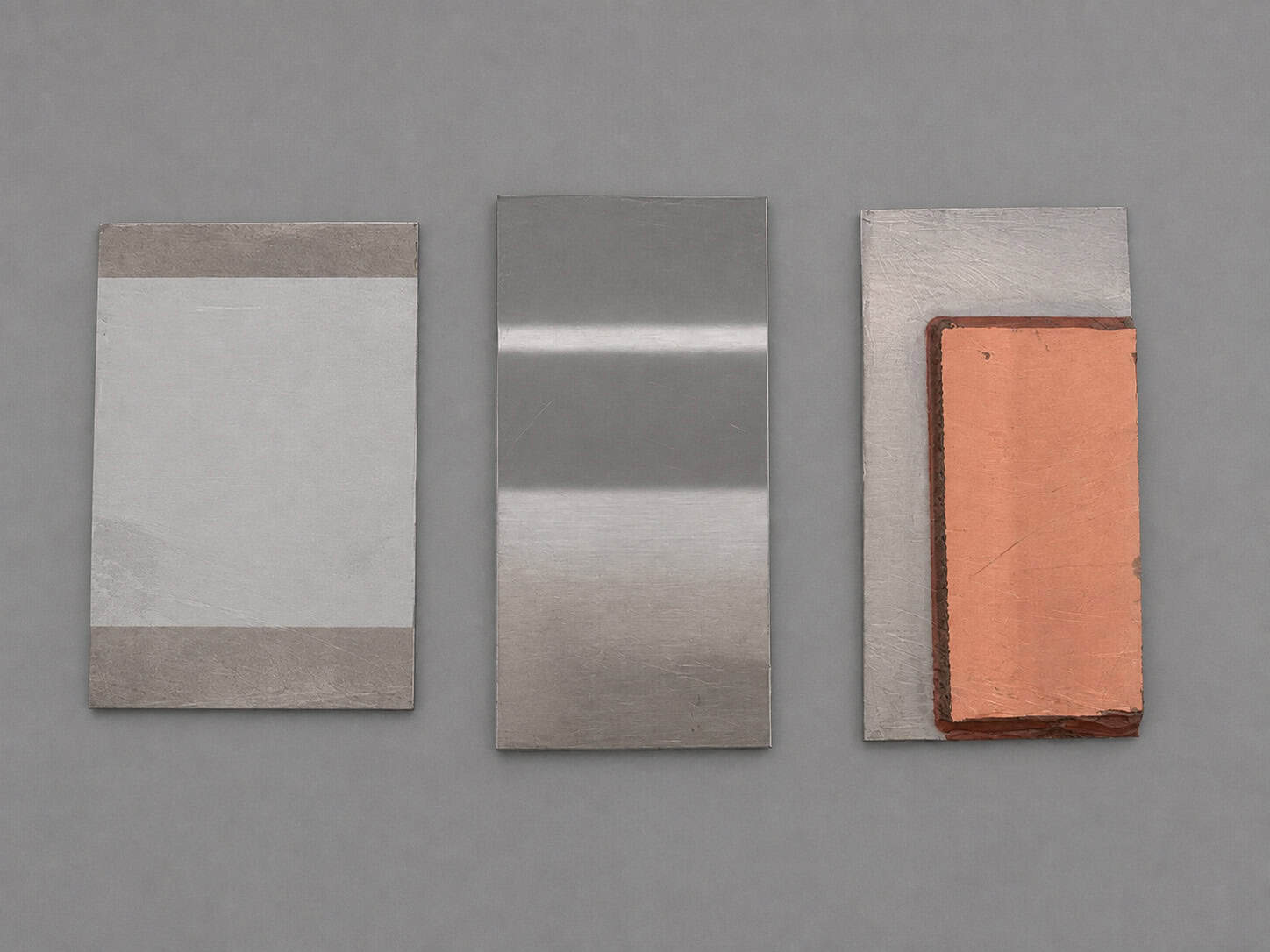
For suitable component and substrate combinations, GREENSTONE can use cold spray copper deposition to create localized or large-area copper coatings on electrical components.
The deposited copper layer can provide a functional metallic surface designed around the electrical requirements of the component. Because cold spray operates with comparatively low thermal input, it can also reduce thermal influence on the underlying component compared with conventional high-temperature deposition methods.
The technology can therefore provide an alternative manufacturing route for selected EV battery interconnects, busbars, electrical terminals and energy-system conductive components.
2. Conductive Metal Coatings on Polymer Components
Many polymer components offer advantages in weight, corrosion resistance and manufacturing flexibility but are inherently electrically insulating.
Cold spray and appropriately developed metallization processes can be used on selected polymer and composite substrates to create metallic functional surfaces.
Depending on substrate compatibility and surface preparation, copper, aluminum or other metallic materials can be deposited to provide electrical conductivity, electromagnetic functionality or a metallic functional layer while retaining the lightweight underlying structure.
This creates opportunities for lightweight conductive housings, functional polymer components, electrical interfaces and specialized industrial parts.
3. Zinc and Aluminum Protective Coatings
For components operating in corrosive industrial environments, cold spray can also be used to deposit zinc, aluminum and selected alloy coatings.
These metallic layers can provide corrosion protection for suitable substrates and components while avoiding the high thermal input associated with fusion-based processing.
Applications can include marine components, industrial structures, energy equipment and localized areas requiring restoration or reinforcement of protective metallic surfaces.
4. Wear- and Corrosion-Resistant Functional Coatings
Cold spray technology is not limited to highly conductive metals.
According to component service conditions, different metallic and composite powder systems can be developed for surfaces exposed to wear, erosion, corrosion or combined environmental degradation.
Rather than replacing the complete component with an expensive bulk material, functional material can be deposited primarily in the areas where the required surface property is needed.
This allows the substrate to retain its original structural function while the surface layer provides additional wear resistance, corrosion resistance or other engineered characteristics.
5. Localized Repair and Functional Surface Restoration
Cold spray functional coatings can also be integrated with component repair and remanufacturing.
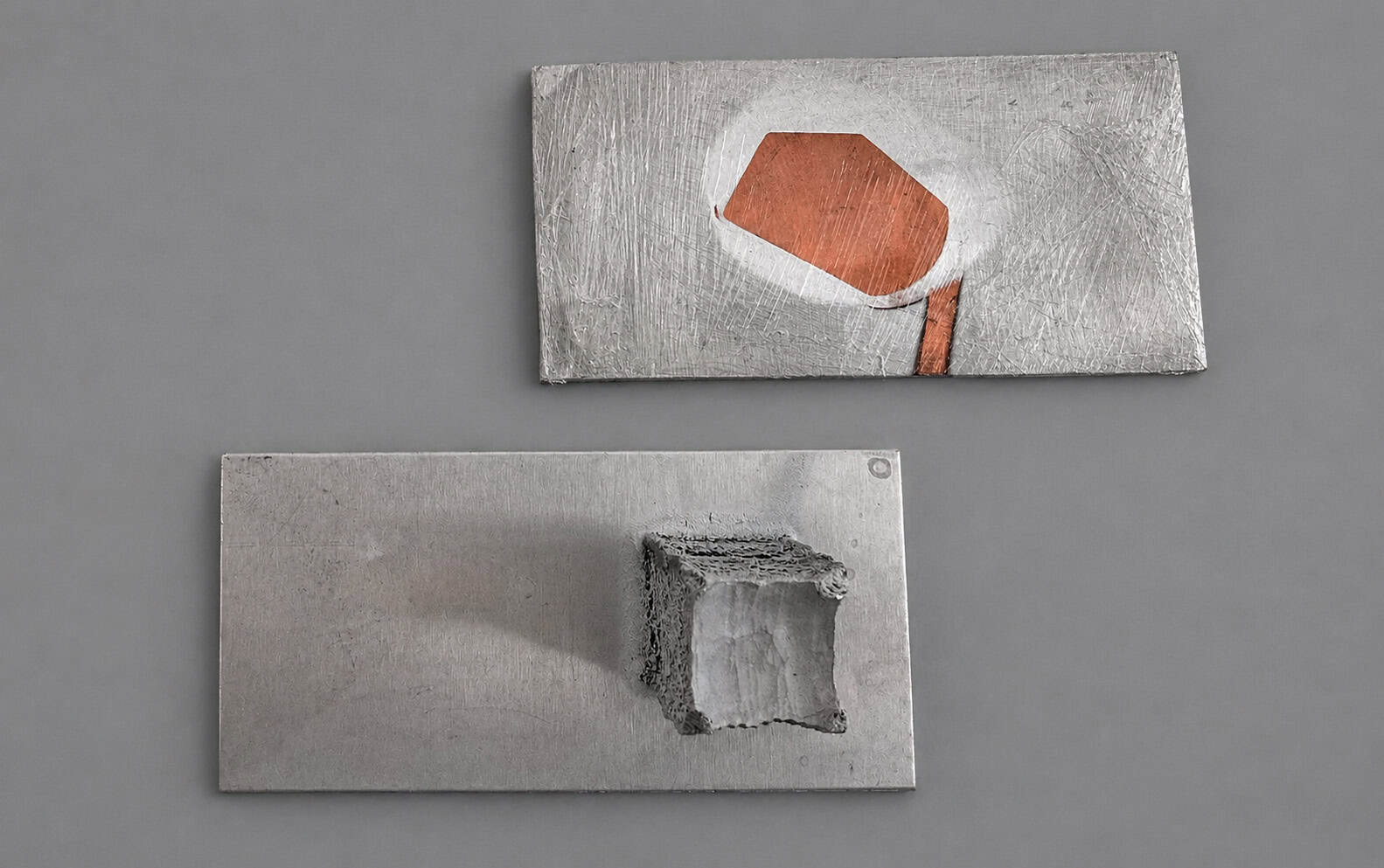
For components suffering from localized coating degradation, corrosion, dimensional loss or surface damage, material can be selectively deposited onto the affected region instead of replacing the entire component.
Depending on the project, subsequent machining or finishing can restore the required geometry and surface condition, combining repair, dimensional restoration and functional surface reconstruction within one process route.
Key Technical Advantages
1. Low Thermal Input
The predominantly solid-state deposition mechanism minimizes heat input compared with conventional welding and fusion-based coating processes.
This is particularly important for temperature-sensitive components, thin structures and selected polymer or composite substrates.
2. Broad Functional Material Potential
Cold spray can process a range of metallic powder systems, including copper, aluminum, zinc, nickel-based materials and other selected metals and alloys, subject to substrate compatibility and required coating performance.
This allows the coating system to be engineered according to electrical, thermal, corrosion or wear requirements.
3. Thick and Localized Metallic Deposition
Compared with very thin surface-treatment technologies, cold spray can build substantially thicker metallic deposits where required.
The process can also be applied selectively, allowing functional material to be concentrated only on designated regions of a component.
4. Reduced Oxidation and Material Degradation
Because feedstock does not undergo conventional complete melting and resolidification, oxidation and thermally induced material changes can be reduced.
This is particularly valuable for functional metallic coatings where maintaining material characteristics is important.
5. Integration with Additive Manufacturing and Remanufacturing
The same cold spray technology platform can extend from thin or medium-thickness functional coatings to thicker material build-up and additive manufacturing.
GREENSTONE can therefore develop different process routes covering:
Functional Coating → Localized Material Build-Up → Dimensional Restoration → Cold Spray Additive Manufacturing
This provides greater flexibility for customers whose projects involve both surface engineering and component manufacturing requirements.
Application Industries
GREENSTONE cold spray functional coating solutions can be applied across electric vehicles and battery systems, electrical and energy equipment, electronics, marine engineering, industrial machinery, chemical equipment and other advanced manufacturing applications.
Typical projects include copper conductive coatings for EV battery interconnects and electrical components, conductive metallization of selected polymer components, zinc and aluminum corrosion-protection coatings, wear-resistant surfaces, corrosion-resistant surfaces, localized coating restoration and specialized functional metallic layers.
Actual coating materials and process routes are selected according to substrate compatibility, coating thickness, electrical or mechanical performance, operating environment and component geometry.
Project Value
This project category demonstrates another important direction of GREENSTONE’s cold spray technology beyond conventional additive manufacturing.
Instead of manufacturing the entire component from a single high-performance material, cold spray enables engineers to place specific functional materials only where their properties are required.
Copper can be deposited where electrical conductivity is needed; zinc or aluminum can be applied where corrosion protection is required; specialized metallic or composite materials can be introduced where wear and surface durability are critical.
This approach allows the structural substrate and functional surface to perform different roles, improving material utilization and providing greater freedom in component design and manufacturing.
As one of multiple successfully implemented cold spray application categories, this case also reflects GREENSTONE’s broader surface-engineering strategy: combining Cold Spray Functional Coating, Cold Spray Additive Manufacturing, Laser Cladding and Laser DED according to the actual requirements of each component rather than relying on a single process.
Through material selection, process development and customized system integration, GREENSTONE provides industrial customers with flexible solutions covering conductivity enhancement, metallization, corrosion protection, wear protection, repair, remanufacturing and additive manufacturing.
