
Laser Cladding for Glass Mould Repair and Wear-Resistant Surface Enhancement
August 18, 2026


Glass moulds operate under repeated thermal cycling, mechanical contact, oxidation and localized wear. During long-term production, critical mould surfaces can gradually suffer from dimensional loss, edge wear, surface damage, cracking or local deterioration.
Replacing an entire mould because of localized damage is often unnecessary. Laser cladding provides a controlled method for restoring worn glass mould surfaces while simultaneously improving their resistance to further wear and thermal degradation.
For glass container, bottle and other glass-forming mould applications, the process can be used both for mould repair and localized surface reinforcement.
Why Glass Moulds Require Surface Repair
Glass moulds are repeatedly exposed to hot glass and rapid heating and cooling cycles. Depending on the mould design, base material and production conditions, several types of deterioration may occur:
- Localized wear on working surfaces
- Edge and corner degradation
- Dimensional loss in high-contact areas
- Surface oxidation and thermal damage
- Local cracking or material loss
- Progressive deterioration of mould cavities and functional surfaces
Once these areas exceed the permitted dimensional tolerance, mould quality can directly affect the surface condition, dimensional consistency and service stability of the produced glass components.
Laser cladding makes it possible to rebuild only the damaged region instead of replacing large amounts of unaffected base material.
How Laser Cladding Is Applied to Glass Moulds
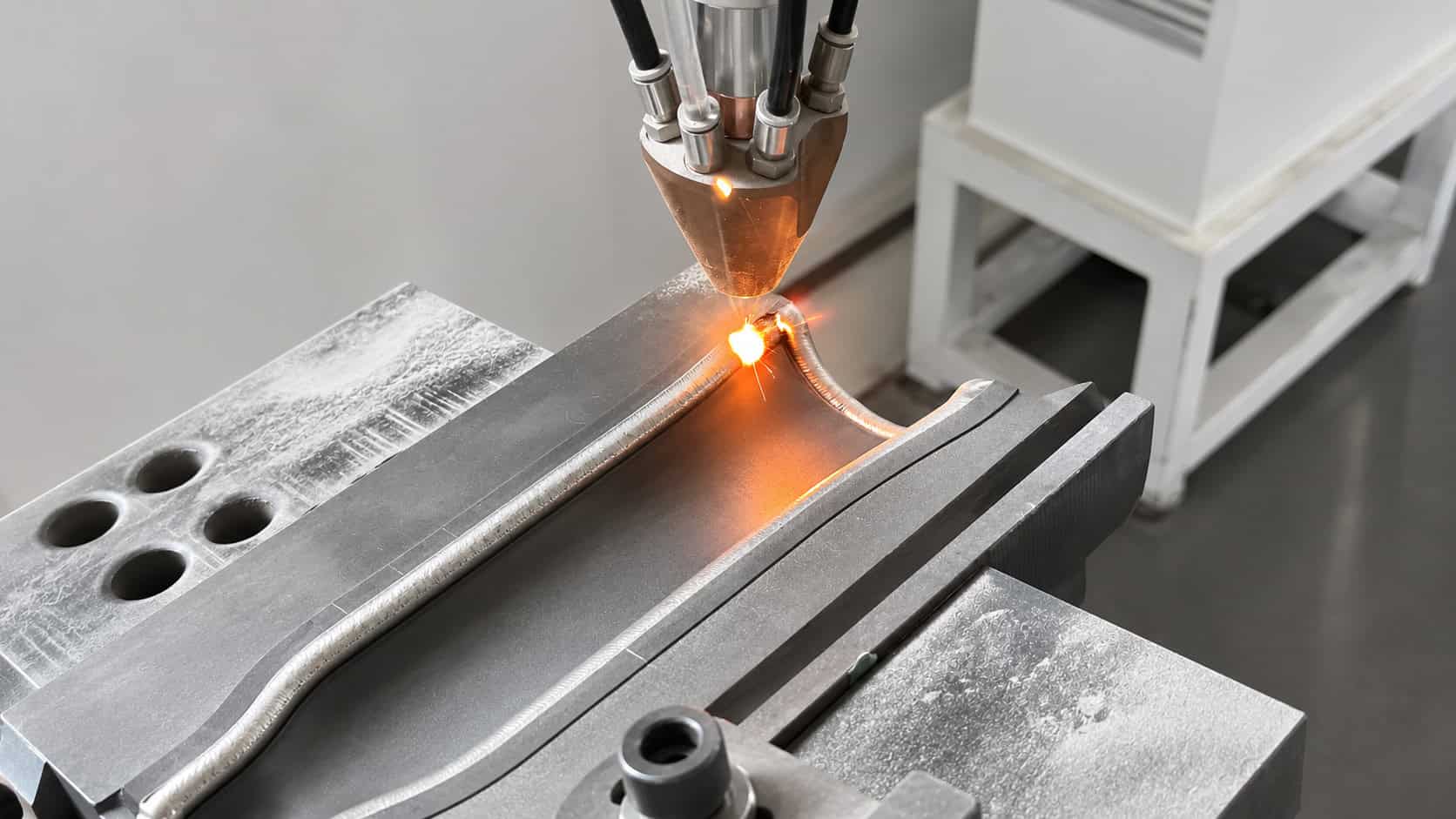
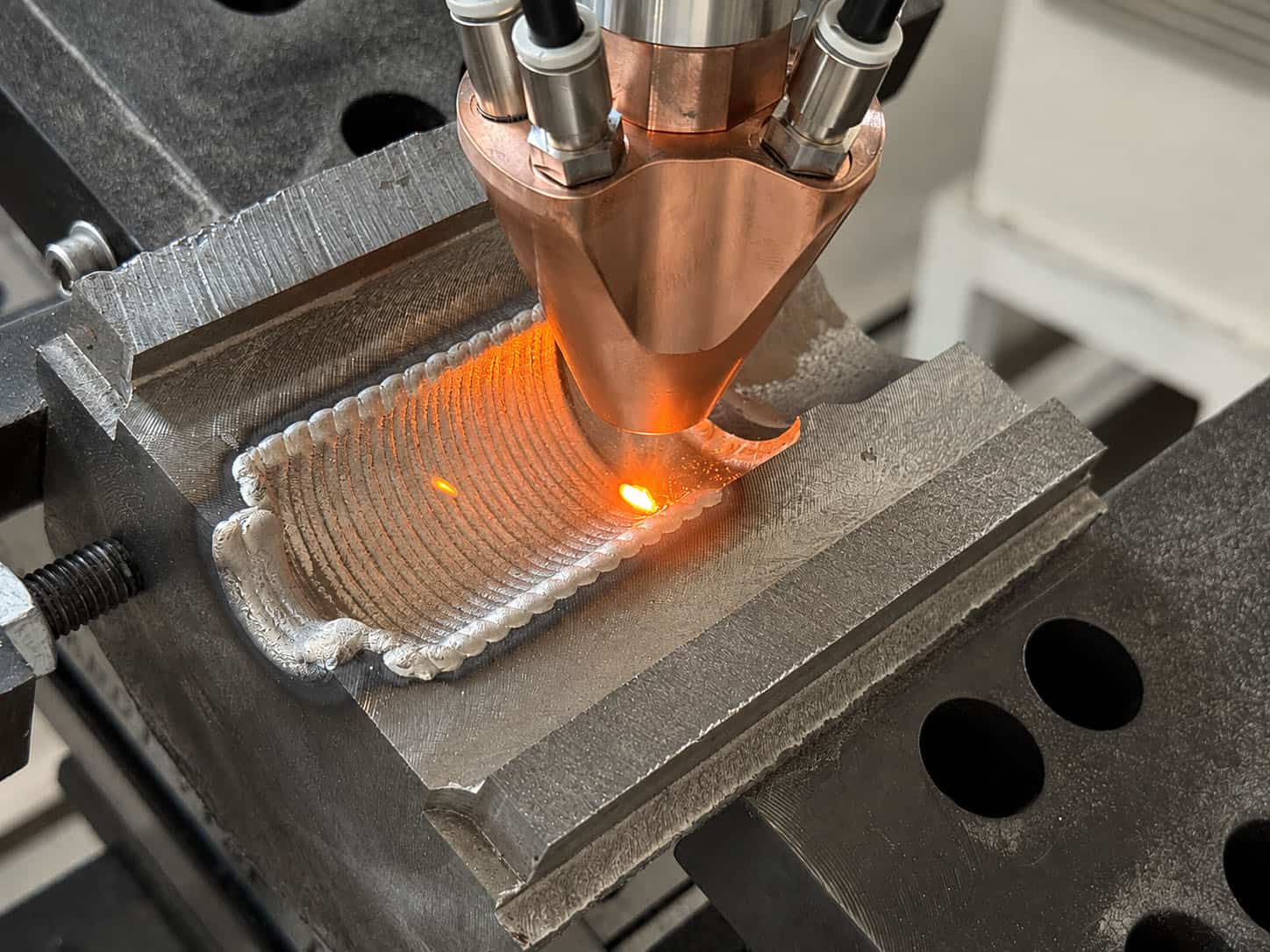
Laser cladding uses a controlled laser beam to create a small molten pool on the mould surface while metallic alloy powder is delivered into the processing zone.
The powder and a thin layer of the substrate are metallurgically bonded, forming a dense deposited layer.
For mould repair, the typical process sequence is:
The deposited material provides sufficient machining allowance so that the repaired area can subsequently be restored to the required geometry and surface finish.
Compared with processes involving extensive melting of the substrate, laser cladding concentrates the thermal input in a relatively small processing zone. This is particularly valuable for precision mould components where excessive heat can cause distortion or dimensional deviation.
Typical Glass Mould Areas Suitable for Laser Cladding
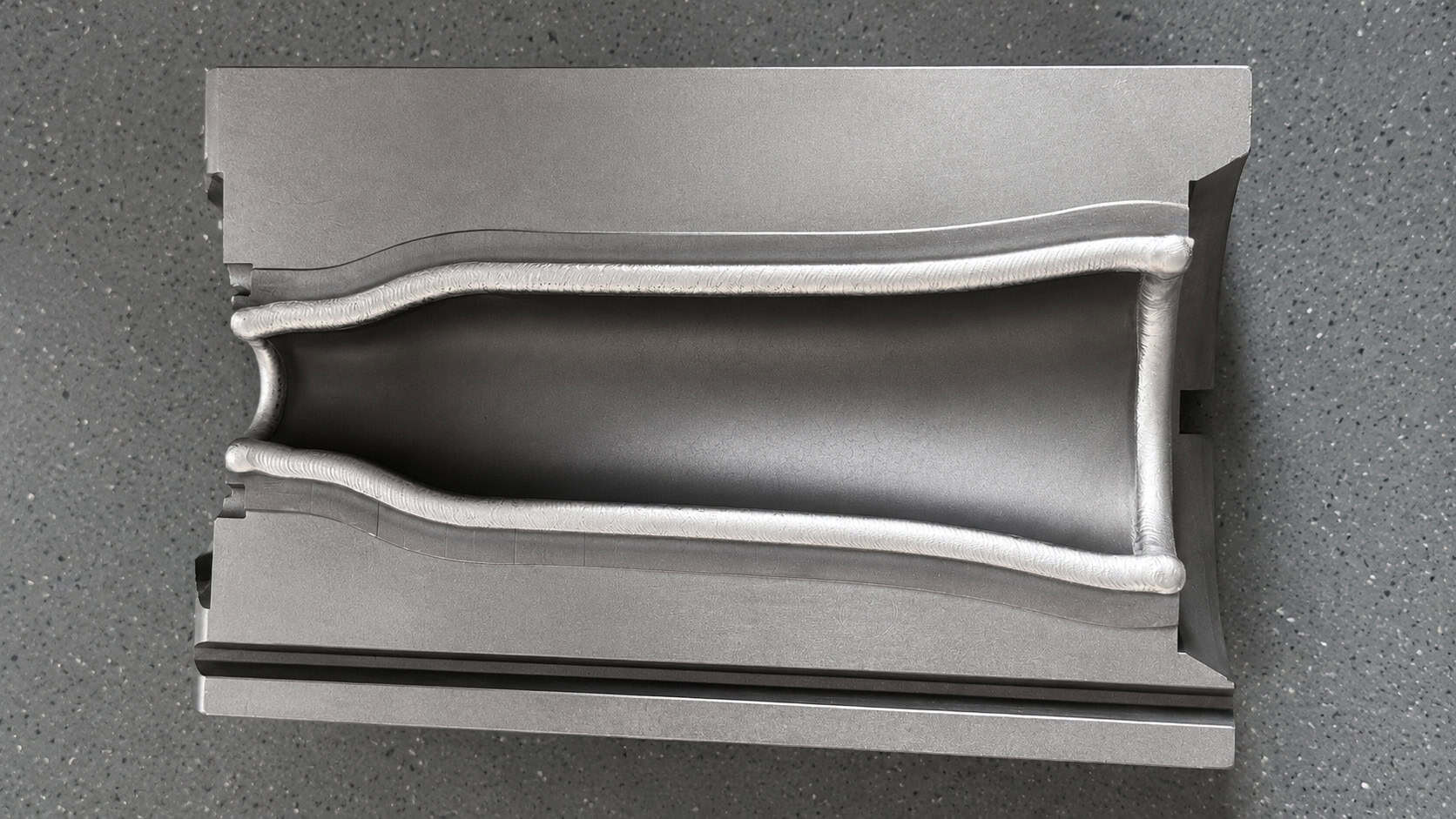
Laser cladding can be applied selectively to different functional regions of a glass mould, including:
- Mould cavity surfaces
- Parting-line areas
- Edges and shoulders
- Neck and opening regions
- Localized worn grooves
- High-contact surfaces
- Damaged or undersized areas requiring dimensional restoration
The process is particularly useful when damage is concentrated in a limited area while the main mould body remains structurally usable.
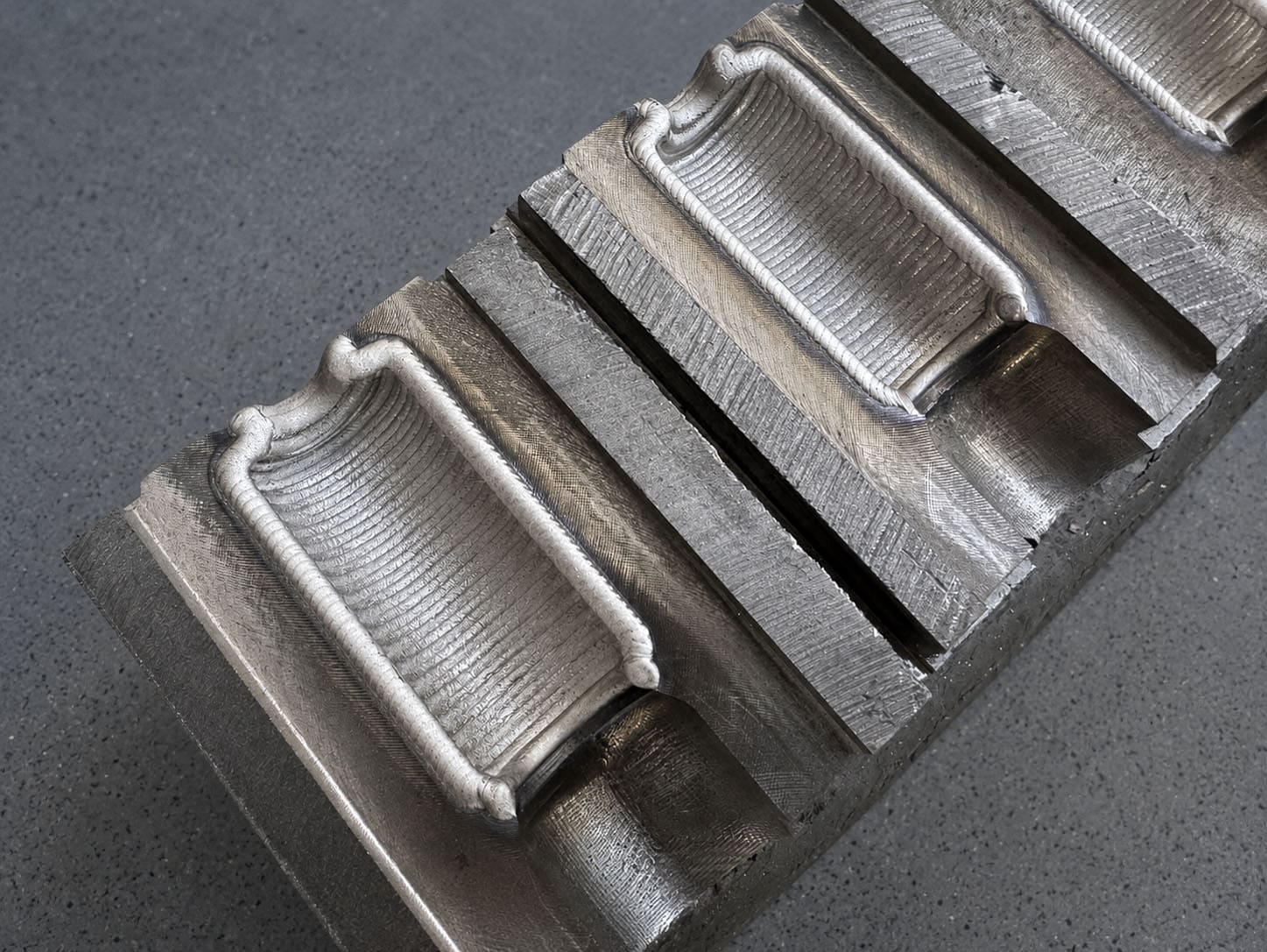
Instead of applying material to the complete mould, the laser can follow the actual damaged geometry and deposit material only where required.
Controlled Deposition for Complex Mould Geometry
Glass mould components frequently contain curved surfaces, narrow regions and geometrically complex transitions.
Accurate motion control is therefore important.
Depending on the mould geometry, laser cladding can be performed using CNC multi-axis platforms or robotic processing systems. The laser cladding head follows the programmed repair path while maintaining suitable processing distance, beam position and powder delivery conditions.
For curved and three-dimensional mould surfaces, coordinated multi-axis movement allows the processing head to maintain a more consistent relationship with the workpiece.
This improves deposition stability and reduces unnecessary post-processing.
Multi-Track and Multi-Layer Laser Cladding
Some mould defects require only a thin surface layer, while deeper wear may require several deposited layers.
Adjacent cladding tracks can be overlapped to reconstruct larger surfaces. When additional thickness is required, multiple layers can be deposited sequentially.
Process parameters such as:
- Laser power
- Beam size
- Scanning speed
- Powder feed rate
- Track overlap
- Layer thickness
- Shielding gas flow
must be coordinated according to the mould material, repair depth, alloy powder and final machining requirements.
The objective is not simply to deposit as much material as possible. A successful mould repair requires a balance between deposition efficiency, metallurgical bonding, dilution, heat input, dimensional accuracy and subsequent machinability.
Material Selection for Glass Mould Repair
The cladding alloy should be selected according to the mould substrate and the actual failure mechanism.
Depending on the application, deposited materials may be designed to provide combinations of:
wear resistance, oxidation resistance, thermal stability, hardness, toughness and machinability.
Material compatibility is especially important.
Excessive hardness does not automatically produce better mould performance. A coating that is too hard or metallurgically incompatible with the substrate may increase cracking risk or create difficulties during finishing.
For this reason, powder selection should be based on the base material, operating temperature, damaged location, required hardness and subsequent machining or polishing process.
Advantages of Laser Cladding for Glass Moulds
Lower Heat Input
Laser energy is concentrated in a controlled processing zone, limiting unnecessary thermal influence on the surrounding mould material.
Strong Metallurgical Bond
Unlike mechanically attached coatings, the deposited layer forms a metallurgical bond with the substrate.
Precise Localized Repair
Material can be added specifically to worn areas without rebuilding the entire mould surface.
Controlled Material Addition
The process can deposit relatively uniform tracks and layers, reducing excessive machining allowance.
Restoration of High-Value Moulds
Moulds with localized wear can potentially be returned to service after cladding, machining and inspection, extending their usable life.
Surface Performance Enhancement
Appropriate alloy selection can provide the repaired region with improved resistance to wear, oxidation or thermal degradation.
Laser Cladding vs. Conventional Mould Repair
Traditional welding processes remain useful for many mould repairs, but they can introduce relatively large heat-affected zones and greater thermal distortion depending on the material, geometry and repair volume.
Laser cladding provides greater control over the energy delivered to the workpiece.
This makes the technology particularly attractive for precision mould repair, localized dimensional restoration and applications where control of heat input is important.
It should not, however, be treated as a universal replacement for every welding process. Large-volume reconstruction may still be more economical with conventional methods, while laser cladding becomes particularly valuable when precision, localized deposition and controlled thermal input are priorities.
From Worn Mould to Finished Component
Laser deposition is only one stage of a complete glass mould remanufacturing process.
After cladding, the repaired region normally requires machining, grinding or polishing to restore the final profile and surface quality. Dimensional inspection is then used to verify whether the mould has returned to the required tolerance.
A successful repair therefore depends on the integration of:
failure analysis + material selection + laser processing + motion control + post-machining + inspection.
This integrated approach is more important than simply selecting a high-power laser system.
GREENSTONE Laser Cladding Solutions for Glass Mould Applications
GREENSTONE develops laser cladding and automated surface-processing solutions for mould repair and industrial component remanufacturing.
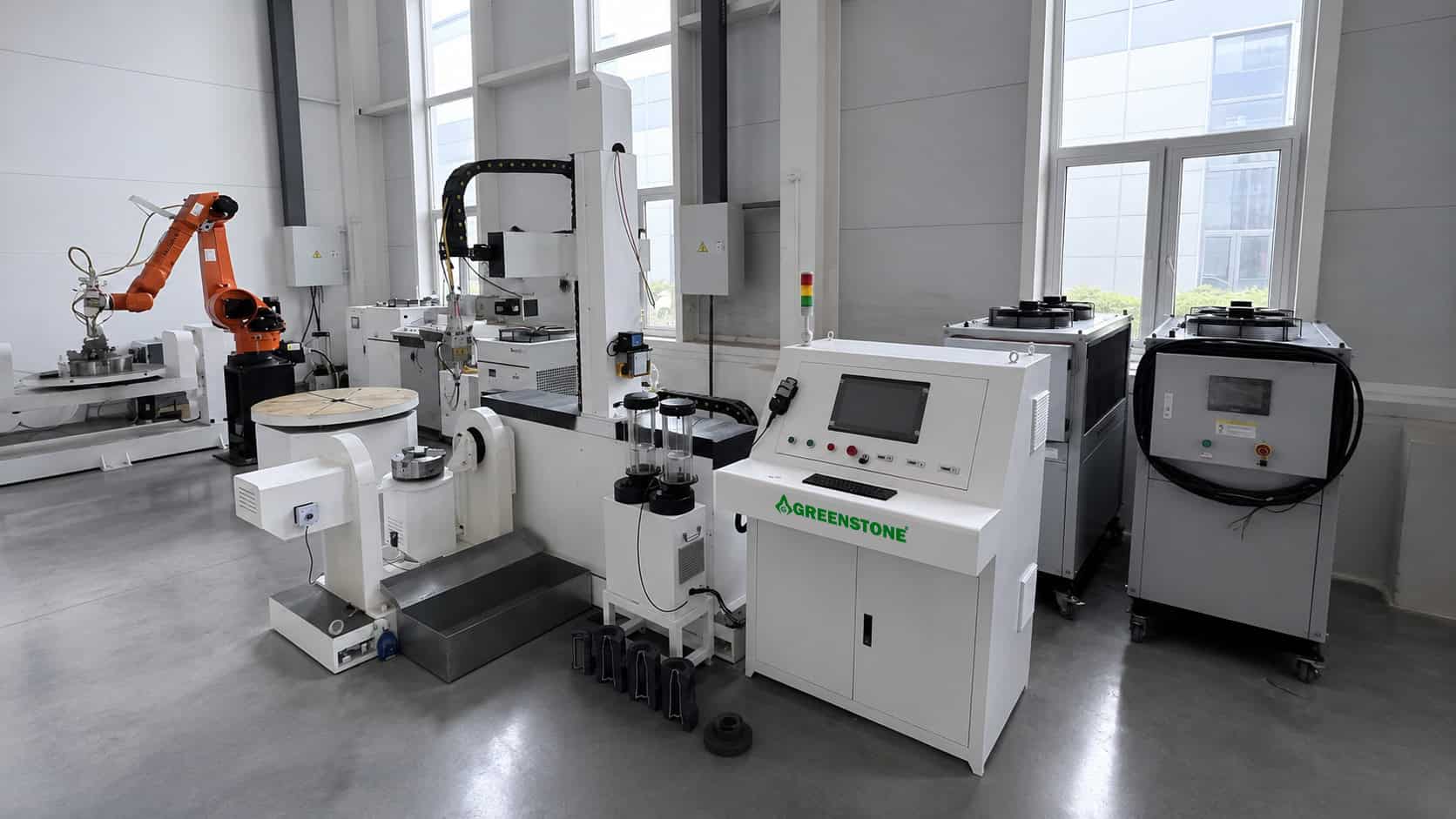
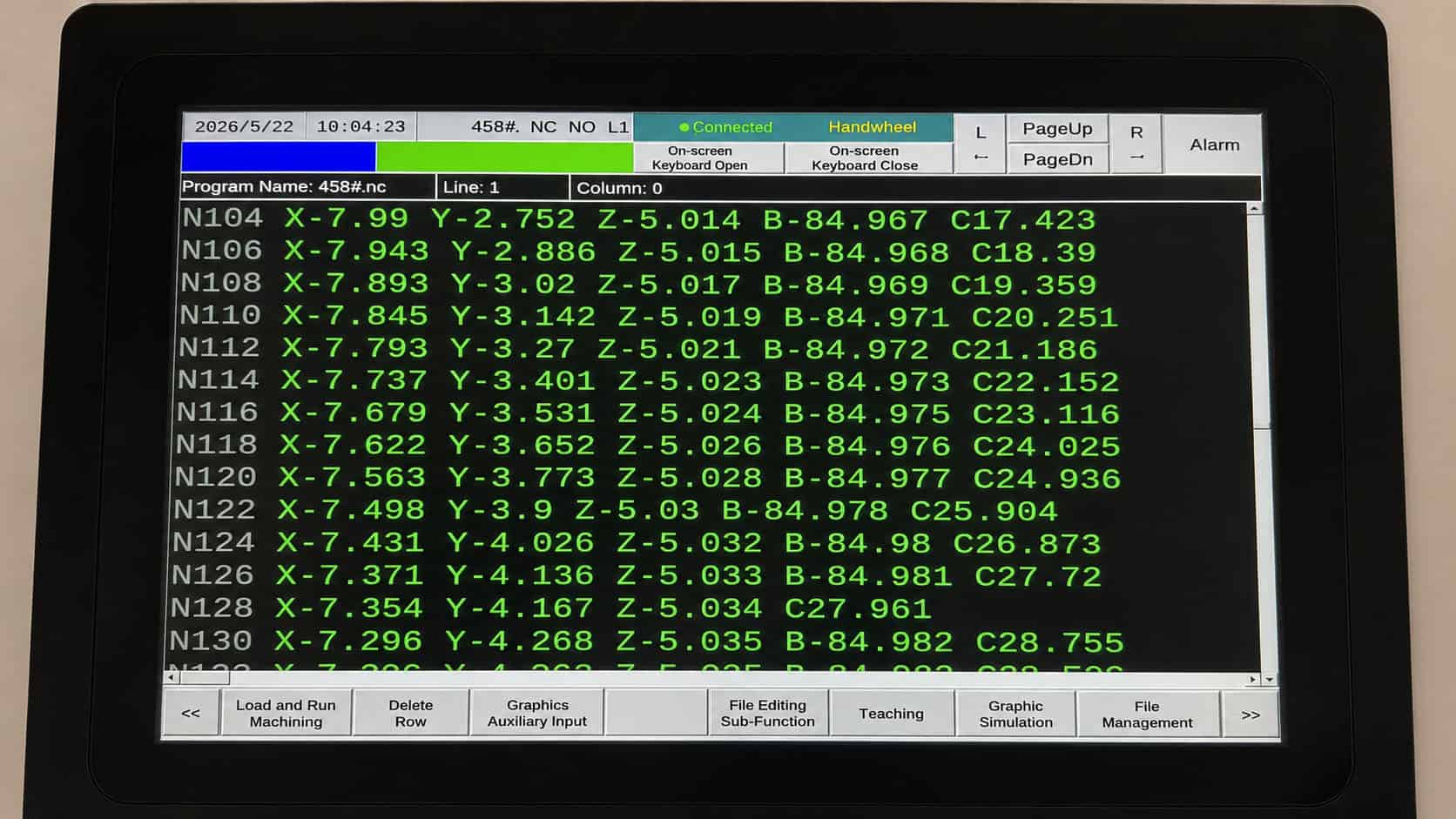
For glass mould applications, the processing system can be configured according to mould dimensions, geometry, repair position, substrate material, required deposition thickness and production requirements.
Depending on the workpiece, solutions can incorporate multi-axis CNC motion, robotic processing, powder feeding, automated path control and customized laser cladding heads for different repair geometries.
Before defining the equipment configuration or process parameters, practical evaluation of the actual workpiece is recommended.
For a glass mould laser cladding project, provide the mould drawing or photographs, base material, damaged area, repair depth, required surface properties and final dimensional requirements. These parameters can then be used to evaluate the appropriate cladding material, processing strategy and equipment configuration.
Thomas Tong
Laser Cladding Equipment Engineering Director & Industrial System Integration Expert Thomas Tong serves as Greenstone’s Laser Cladding Equipment Engineering Director, focusing on laser processing equipment development, manufacturing integration, automation systems, and turnkey industrial solution implementation. With comprehensive experience in industrial equipment engineering and advanced manufacturing systems, Thomas leads the design, integration, and optimization of Greenstone’s laser cladding equipment platforms, including robotic laser cladding systems, multi-axis processing systems, automated production solutions, and customized industrial equipment. His expertise covers the complete equipment development process, from mechanical structure design, laser system integration, motion control coordination, electrical engineering, automation programming, and final commissioning. Through…