
Industrial Laser Cladding Solutions
Delivering advanced powder-fed laser cladding technologies, Greenstone provides industrial-grade solutions for surface enhancement, repair, remanufacturing, and additive manufacturing. Our systems are engineered for demanding global industries requiring precision, durability, and continuous high-performance operation.
What is Laser Cladding Technology?
Laser cladding technology is an advanced surface engineering and additive manufacturing process that uses a high-energy laser beam to melt and deposit metallic powders or wires onto the surface of a substrate. During the process, both the coating material and the base material are partially fused, creating a dense metallurgical bond with superior adhesion, low dilution, and excellent structural integrity.
This process is widely recognized for enhancing surface properties such as wear resistance, corrosion resistance, oxidation resistance, heat resistance, and mechanical durability. By precisely controlling material deposition, laser cladding enables surface modification, component repair, dimensional restoration, and the production of functional coatings tailored to specific industrial performance requirements.
Unlike conventional welding, electroplating, or thermal spraying technologies, laser cladding provides highly localized heat input, resulting in minimal thermal distortion, reduced residual stress, and limited heat-affected zones. These characteristics significantly improve coating quality while minimizing post-processing requirements.
Laser cladding supports a broad range of metallic materials, including steels, nickel alloys, cobalt alloys, titanium alloys, and other advanced engineering materials. The process also allows independent control of feed rates, material composition, and deposition parameters, offering exceptional flexibility for customized industrial applications.
Due to its precision, efficiency, and sustainability, laser cladding technology is widely applied across industries such as automotive, energy, oil & gas, mining, marine engineering, rail transportation, mold manufacturing, and heavy industrial equipment. It is increasingly used to extend component service life, reduce material waste, improve production efficiency, and support sustainable repair and remanufacturing practices.
As a high-performance manufacturing technology, laser cladding continues to play a critical role in modern industrial production by delivering cost-effective, durable, and environmentally responsible solutions for advanced component surface engineering.
Advantages of Laser Cladding Technology
Laser cladding technology offers significant advantages over conventional welding, plating, and thermal spray processes by delivering superior surface enhancement, precision material deposition, and long-term component performance. As an advanced additive manufacturing and surface engineering solution, laser cladding is widely recognized for its ability to improve operational efficiency, reduce lifecycle costs, and extend the service life of high-value industrial components.
Why Laser Cladding Matters
Compared with traditional repair or coating technologies, laser cladding provides a more advanced, efficient, and cost-effective solution for modern manufacturing. It is increasingly used across automotive, oil & gas, energy, mining, rail transportation, marine engineering, tooling, mold manufacturing, and heavy industrial sectors where durability, reliability, and long-term performance are essential.
By combining precision engineering, advanced material science, and sustainable manufacturing principles, laser cladding technology has become a leading solution for high-performance component protection, repair, remanufacturing, and additive manufacturing across a wide range of industrial applications.
Strong Metallurgical Bonding
Laser cladding creates a dense metallurgical bond between the coating material and substrate, ensuring exceptional adhesion strength far superior to traditional surface coating methods.
Minimal Heat Input and Low Distortion
Highly localized laser energy minimizes the heat-affected zone (HAZ), reducing thermal distortion, residual stress, and the need for extensive post-processing or heat treatment.
Low Material Dilution
Precise control of laser parameters allows for minimal mixing between the substrate and cladding material, preserving the desired material properties and ensuring consistent coating quality.
Enhanced Surface Performance
Laser-cladded surfaces provide outstanding wear resistance, corrosion resistance, oxidation resistance, fatigue resistance, and high-temperature durability, making them ideal for demanding industrial environments.
Flexible Material Compatibility
A wide variety of metallic powders and alloys can be used, including stainless steel, nickel-based alloys, cobalt-based alloys, titanium alloys, and carbide-reinforced materials, enabling customized solutions for diverse applications.
Precision Repair and Remanufacturing
Laser cladding is highly effective for restoring worn or damaged components, repairing expensive parts, and adding new functional layers without replacing entire components.
Near-Net Shape Manufacturing
The process enables precise deposition with minimal material waste, reducing machining requirements and significantly improving material utilization efficiency.
Automation and Process Control
Laser cladding systems can be integrated with robotics, CNC controls, and intelligent closed-loop monitoring technologies for repeatable, automated, and highly accurate production.
Improved Sustainability
By extending component lifespan, reducing raw material consumption, minimizing waste, and supporting remanufacturing, laser cladding contributes to more sustainable industrial manufacturing practices.
Reduced Operational Downtime
Fast repair capabilities and durable coatings help industries minimize equipment downtime, improve productivity, and lower maintenance costs.
Characteristics of ultra-high-speed cladding and traditional cladding processes
Greenstone-Tech’s ultra-high-speed cladding technology is at the forefront of the industry
Technical features:
Ultra-high-speed laser cladding technology is mainly used to improve the wear resistance, corrosion resistance, high temperature resistance, and oxidation resistance of the surface of parts, so as to achieve the goal of surface modification or repair and meet customer requirements for specific surface properties of materials.
In the conventional laser cladding process, laser energy is mainly used to melt the base material to form a molten pool. The powder is injected into the molten pool, melted, and then solidified to form a protective coating.
Process features:
Ultra-high-speed cladding coating cladding speed is faster: Ultra-high-speed cladding technology can clad the surface coating of the substrate two orders of magnitude faster than traditional laser cladding technology. High-efficiency coatings of more than 1.5 square meters/hour can reduce the cost of laser cladding to the same cost as hard chrome plating.
The thickness of ultra-high-speed cladding coating is thicker: the thickness of ultra-high-speed cladding coating is at least 120 μm and can reach up to 1000 μm, while the electroplating coating is a physical combination, and the coating thickness is generally 20-60 μm; laser coating and substrate The bonding of materials is a metallurgical bonding, the bonding strength is several times higher than that of electroplated coating, and the coating life is longer.
Ultra-high-speed cladding is not easy to cause deformation or cracking of the base material: Ultra-high-speed cladding causes smaller heat-affected zones and thermal stresses on the base material than traditional cladding processes, and is less likely to cause deformation and cracking.
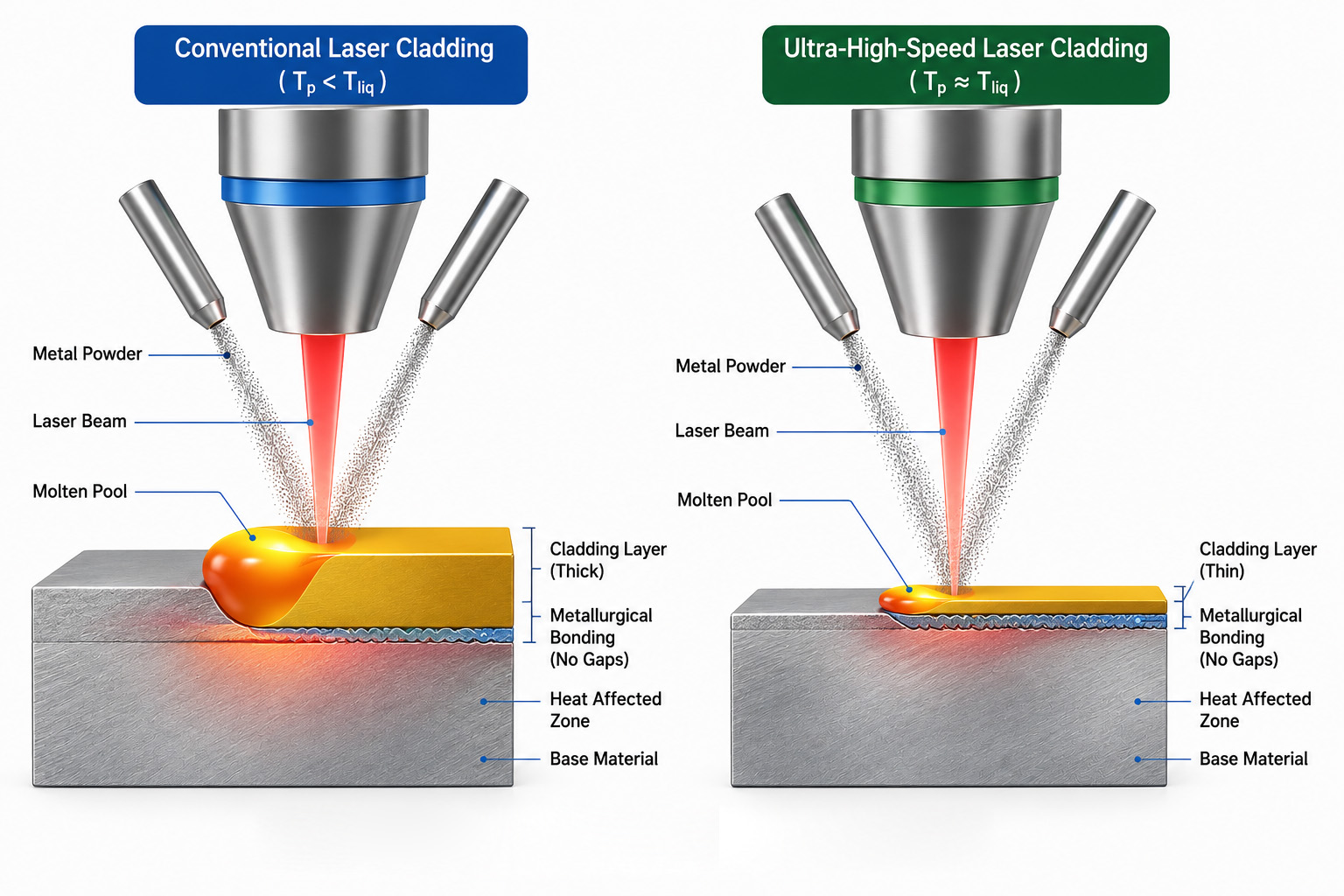
Technical principles of laser cladding (left in the picture) and ultra-high-speed laser cladding (right in the picture)
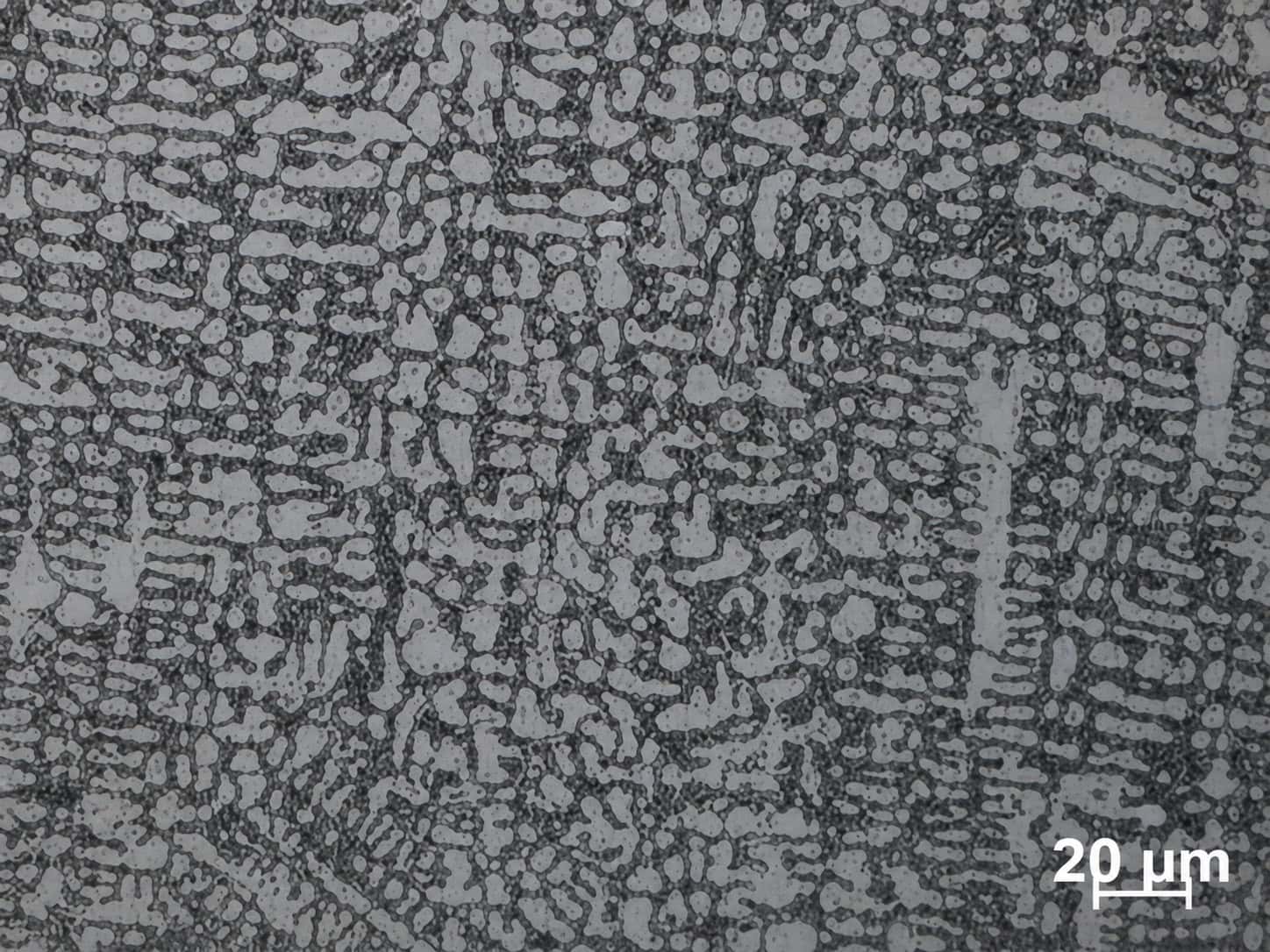
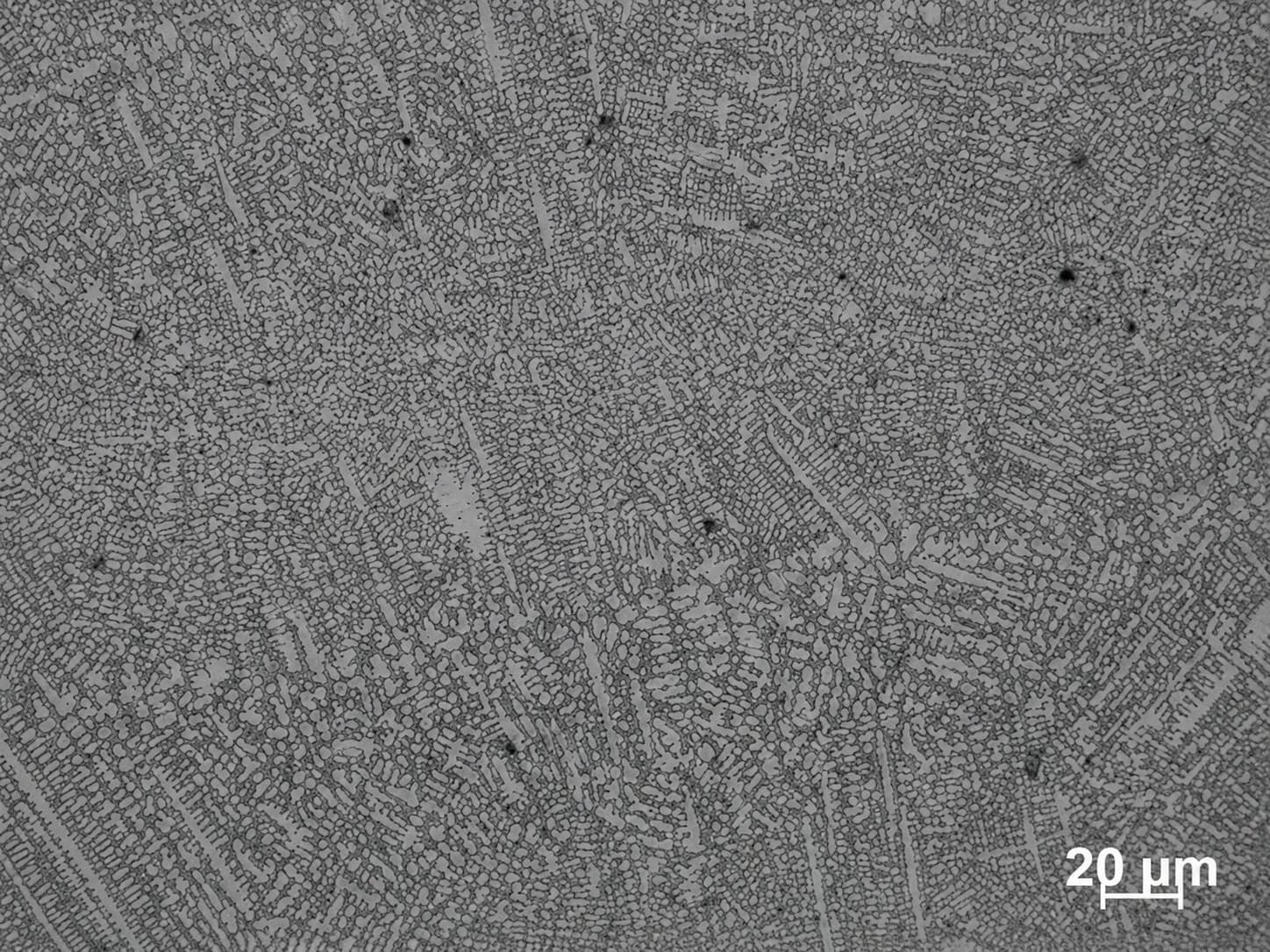
Laser cladding (left) and ultra-high-speed laser cladding (right) coating metallography
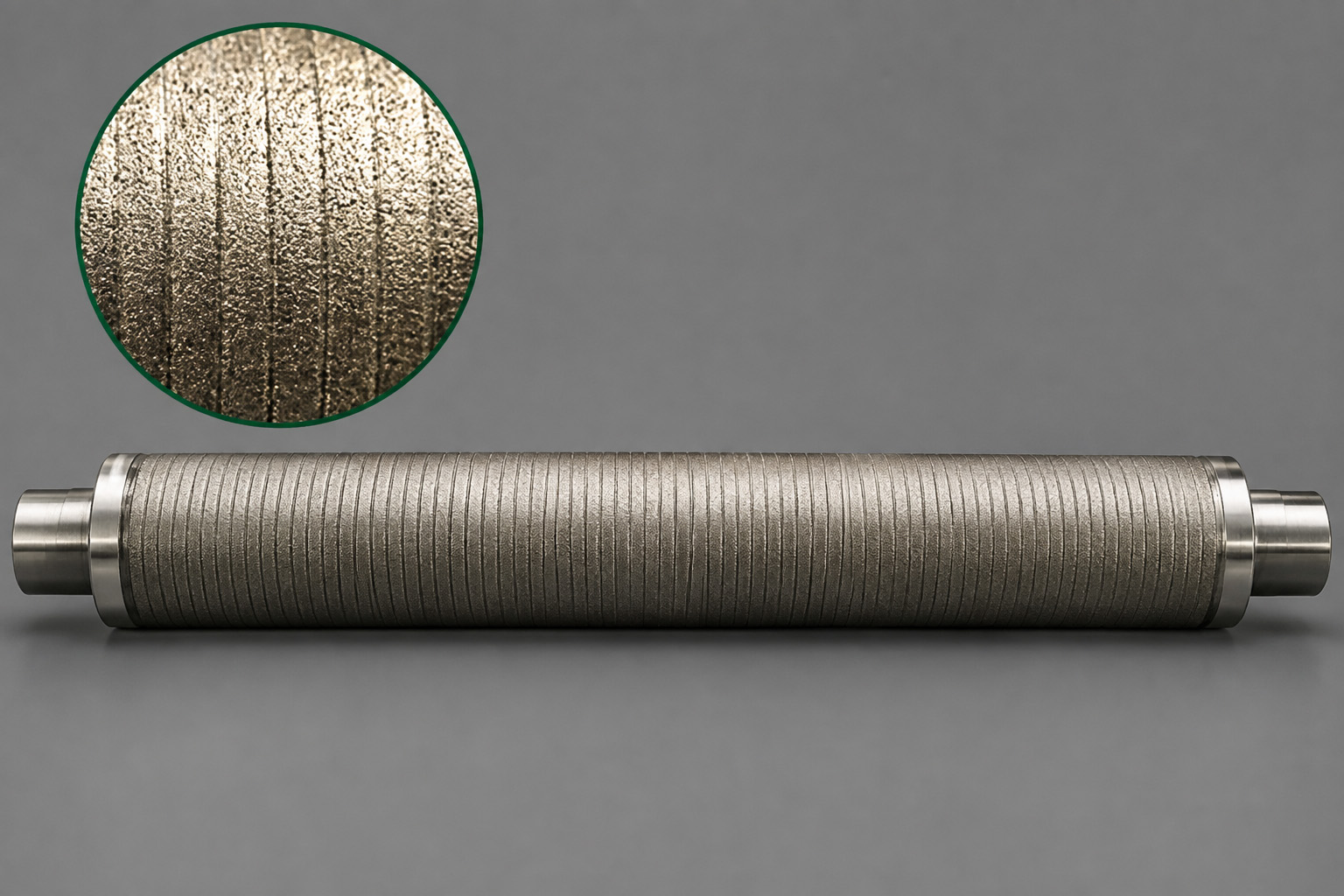
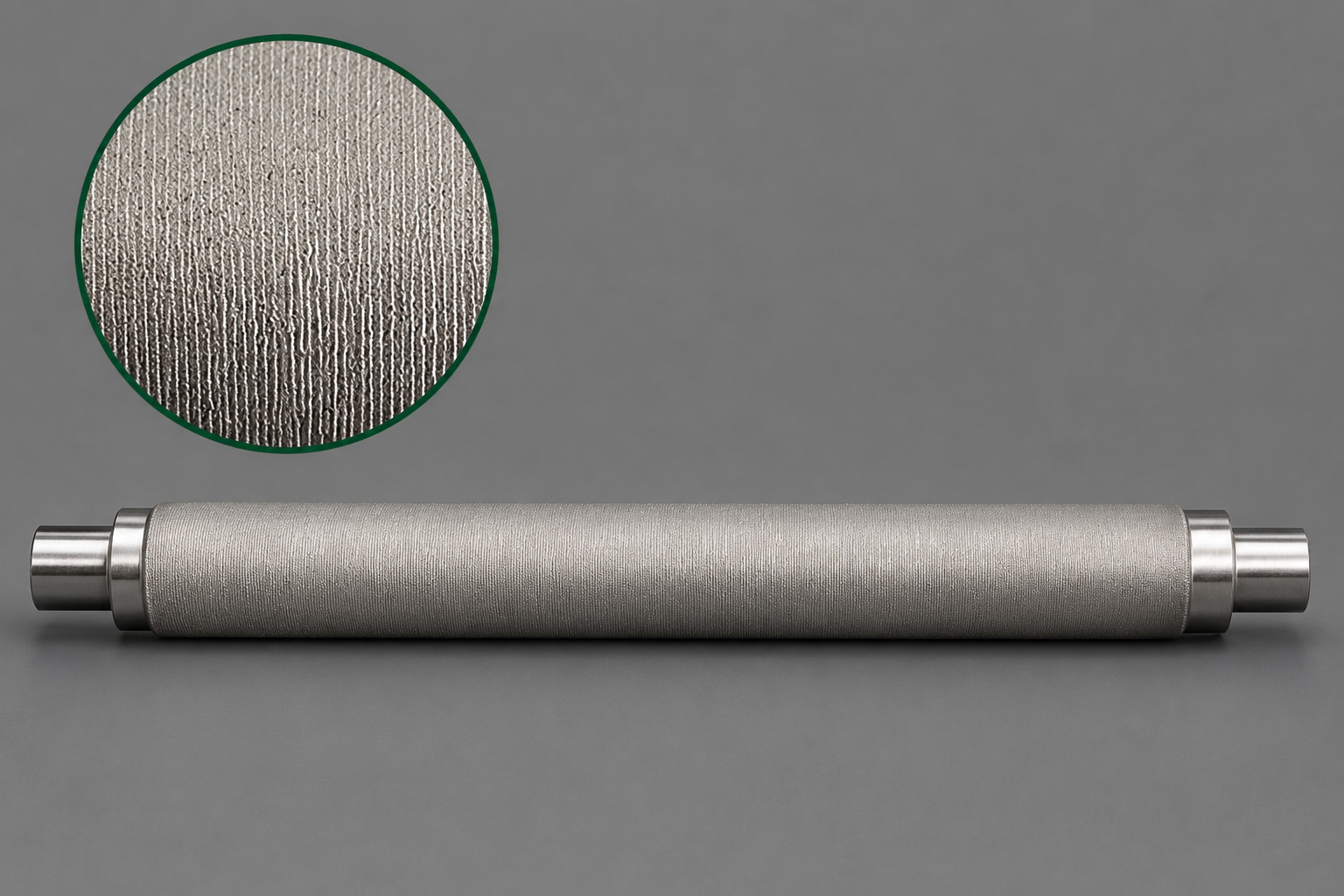
Laser cladding (left) and ultra-high-speed laser cladding (right) coating surfaces
Process scope
Meet the diverse needs of customers and have a wide range of applications
Process Scope | ||
Power Range (W) | 1000-10000 | |
Scan Rate (mm/s) | 0-1000 | |
Powder Feeding Amount (g/min) | 0-150 | |
Overlap Rate (%) | 15-50 | |
Protective Gas Flow (L/min) | 10-20 | |
Nozzle Type | Off-axis | Coaxial |
Powder Delivery Method | Gravity Feeding/Pneumatic Conveying | Pneumatic Conveying |
Single-side off-axis preset single-side off-axis melt pool | Symmetrical coaxial molten pool on both sides | |
Comparison of existing coating technologies
Ultra-high-speed cladding technology has become the development direction of the industry
Classification | Chromium electroplating | Plasma spraying | Flame supersonic spraying | Traditional laser cladding | Ultra-high speed laser cladding |
Material | Cr | alloy powder | alloy powder | alloy powder | alloy powder |
Thickness | <0.1 | 3-4 | 0.1-0.4 | 1-2 | 0.02-0.4 |
Hardness | >700 | Cr-Fe 300 | WC-Cr coating>1000 | Cr-Fe 500-600 | Cr-Fe 500-600 |
Wear resistance | poor | good | good | good | good |
Combining with base material | physical combination | metallurgical bonding | metallurgical bonding | metallurgical bonding | metallurgical bonding |
Substrate heat input | no | high | low | low | very low |
Eco-friendliness | bad | fine | poor | good | good |
Service life (years) | 1-1.5 | 2-3 | 2-3 | >5 | >3 |
Cost of production | low | medium | medium | high | low |
Materials for Laser Cladding: Advanced Alloy Solutions for High-Performance Surface Engineering
Laser cladding technology enables the precise deposition of advanced metallic and composite materials onto critical component surfaces, delivering tailored performance enhancements for wear resistance, corrosion protection, thermal stability, and dimensional restoration. By selecting the appropriate cladding alloy, manufacturers can significantly extend component lifespan, reduce maintenance costs, and optimize operational efficiency across demanding industrial environments.
Unlike conventional coating or welding methods, laser cladding offers precise material control, low dilution, minimal heat input, and strong metallurgical bonding, making it ideal for both surface enhancement and high-value component remanufacturing.
What Materials Can Be Used in Laser Cladding?
Greenstone’s advanced laser cladding systems support a broad spectrum of industrial-grade materials, including:
- Nickel-Based Alloys
- Cobalt-Based Alloys
- Stainless Steels
- Iron-Based Alloys
- Copper-Based Alloys
- Titanium Alloys
- Aluminum Alloys
- Ceramic-Reinforced Composite Powders
Each material category offers distinct mechanical, chemical, and thermal advantages depending on the target application, operating environment, and required performance characteristics.
Nickel-Based Alloys
Nickel-based alloys are widely recognized for their exceptional corrosion resistance, oxidation resistance, and high-temperature mechanical stability. These materials are ideal for components operating in severe environments such as:
- Aerospace engine components
- Oil & gas drilling systems
- Power generation turbines
- Petrochemical equipment
- High-temperature molds and dies
Key Benefits:
- Outstanding high-temperature strength
- Excellent oxidation and corrosion resistance
- Superior resistance to thermal fatigue
- Long-term performance under extreme service conditions
Cobalt-Based Alloys
Cobalt-based cladding materials provide exceptional hardness, wear resistance, and hot corrosion resistance, particularly in high-temperature or abrasive environments.
Typical Applications:
- Valve seats
- Pump shafts
- Extrusion screws
- Cutting tools
- Turbine components
Key Benefits:
- Excellent abrasive wear resistance
- High hardness retention at elevated temperatures
- Strong corrosion and oxidation resistance
- Superior performance in aggressive industrial environments
Stainless Steel Alloys
Stainless steels offer a highly versatile balance between corrosion resistance, structural strength, and cost-effectiveness.
Common Uses:
- Food processing equipment
- Chemical industry systems
- General industrial machinery
- Marine applications
- Hydraulic components
Key Benefits:
- Reliable corrosion protection
- Good mechanical performance
- Cost-efficient repair and coating solution
- Broad industrial adaptability
Iron-Based Alloys
Iron-based cladding alloys are often selected for economical large-scale wear protection and component rebuilding.
Typical Applications:
- Heavy equipment
- Mining machinery
- Agricultural machinery
- Steel mill components
- Construction equipment
Key Benefits:
- Cost-effective material solution
- Strong wear resistance
- Suitable for high-volume industrial repairs
- Excellent for dimensional restoration
Copper-Based Alloys
Copper and copper-alloy cladding materials provide unique thermal and electrical conductivity benefits.
Applications:
- Electrical contact surfaces
- Thermal management systems
- Specialized corrosion-resistant components
- Mold repair
Key Benefits:
- High thermal conductivity
- Excellent electrical performance
- Targeted corrosion resistance
- Specialized industrial functionality
Titanium Alloys
Titanium alloys combine lightweight performance with exceptional corrosion resistance and biocompatibility.
Typical Industries:
- Aerospace
- Medical devices
- Marine engineering
- Precision engineering
Key Benefits:
- High strength-to-weight ratio
- Excellent corrosion resistance
- Lightweight structural performance
- Superior biocompatibility
Aluminum Alloys
Although more technically challenging due to reflectivity and thermal conductivity, aluminum laser cladding offers strategic advantages in lightweight engineering sectors.
Applications:
- Aerospace structures
- Transportation systems
- Lightweight industrial components
- Corrosion-resistant surfaces
Key Benefits:
- Lightweight performance
- Improved corrosion resistance
- Enhanced structural longevity
- Advanced lightweight manufacturing capability
Ceramic-Reinforced Materials
Composite powders containing carbides or ceramics (such as WC, SiC) are used for ultra-high wear applications.
Key Benefits:
- Extreme hardness
- Maximum abrasion resistance
- Ideal for severe wear conditions
- Enhanced service life in mining and heavy industry
Performance Benefits of Laser Cladding Materials
Regardless of base material, properly selected cladding materials can significantly improve:
- Wear resistance
- Corrosion resistance
- Oxidation resistance
- Thermal fatigue resistance
- Surface hardness
- Mechanical strength
- Dimensional recovery
- Service life extension
- Operational reliability
Why Cladding Material Selection Is Critical
Selecting the correct laser cladding material directly impacts:
- Component performance
- Coating lifespan
- Maintenance intervals
- Downtime reduction
- Cost efficiency
- Environmental resistance
- Overall return on investment
Material engineering is therefore a critical factor in maximizing the full potential of laser cladding technology.
The Strategic Value of Advanced Cladding Materials
Laser cladding materials form the foundation of advanced surface engineering success. From nickel superalloys for aerospace to iron-based alloys for heavy industry, material selection determines the functional performance, durability, and economic value of every cladding application.
By leveraging a comprehensive portfolio of industrial cladding materials, laser cladding technology provides manufacturers with highly flexible, scalable, and performance-driven solutions for modern manufacturing, repair, and remanufacturing challenges.
Laser Cladding FAQ & Technology Comparison
Laser cladding technology has become one of the most advanced surface engineering and metal restoration solutions for modern industry, offering superior precision, low thermal distortion, and exceptional metallurgical bonding compared to conventional hardfacing and surfacing methods.
By utilizing a high-energy laser beam to fuse metallic powders or wire feedstock onto a substrate surface, laser cladding creates dense, high-performance coatings with minimal dilution and highly controlled heat input. This process significantly improves wear resistance, corrosion protection, oxidation resistance, dimensional restoration, and overall component lifespan.
Compared to traditional technologies such as MIG/TIG welding, PTA, thermal spray, and arc spray, laser cladding provides:
- Higher precision deposition
- Lower heat-affected zones
- Stronger metallurgical bonding
- Reduced material waste
- Minimal post-processing
- Enhanced automation capability
- Superior repeatability for industrial-scale applications
These advantages make laser cladding particularly valuable in aerospace, oil & gas, mining, power generation, heavy machinery, rail transportation, and advanced manufacturing industries where component performance, reliability, and lifecycle cost are critical.
What is laser cladding?
Laser cladding is an advanced manufacturing and repair process that uses a focused laser beam to deposit metallic material onto a component surface, creating a metallurgically bonded protective or restorative layer.
What are common synonyms for laser cladding?
Laser cladding is also commonly referred to as:
- Laser metal deposition (LMD)
- Directed energy deposition (DED)
- Laser additive manufacturing
- Laser hardfacing
- Laser surface engineering
Can laser cladding repair damaged components?
Yes. Laser cladding is widely used for restoring worn, corroded, or dimensionally damaged parts while often extending service life beyond original specifications.
Can coating thickness be precisely controlled?
Yes. Laser cladding offers highly accurate control over deposition thickness, geometry, and material placement through programmable process parameters.
Are laser cladding coatings machinable?
Yes. Most laser clad layers can be machined, ground, or finished to precise tolerances depending on material selection.
What type of bond does laser cladding create?
Laser cladding forms a true metallurgical bond with the substrate, providing significantly stronger adhesion than mechanical or sprayed coatings.
What is dilution in laser cladding?
Dilution refers to the mixing ratio between clad material and substrate. Laser cladding typically maintains very low dilution, preserving coating integrity and material performance.
How does laser cladding compare to conventional welding?
Laser cladding generally offers:
- Lower heat input
- Less distortion
- Better precision
- Reduced dilution
- Longer coating life
- Higher material efficiency
Can thermal input be controlled?
Yes. Precise laser parameter control minimizes heat input and protects sensitive substrates from excessive thermal damage.
Why is laser cladding the preferred solution for advanced industrial surface engineering?
Laser cladding is considered the superior modern solution for advanced industrial surface engineering because it combines precision repair, surface enhancement, high wear resistance, corrosion protection, low thermal distortion, and long-term lifecycle optimization within a single process. Unlike conventional surfacing technologies, laser cladding provides precise material deposition with minimal heat input, creates strong metallurgical bonds, reduces post-processing requirements, and significantly extends component service life. These advantages make it especially valuable for industries requiring high-performance restoration, durability, and operational efficiency.
Technology | Precision | Heat Input | Bond Strength | Material Efficiency | Distortion | Post-Processing |
Laser Cladding | Excellent | Low | Metallurgical | High | Minimal | Minimal |
MIG/TIG Welding | Moderate | High | Metallurgical | Moderate | Higher | Significant |
PTA | Good | Moderate-High | Metallurgical | Moderate | Moderate | Moderate |
Thermal Spray | Moderate | Low | Mechanical | High | Low | Surface Prep Required |
Arc Spray | Moderate | Moderate | Mechanical | Moderate | Moderate | Surface Prep Required |