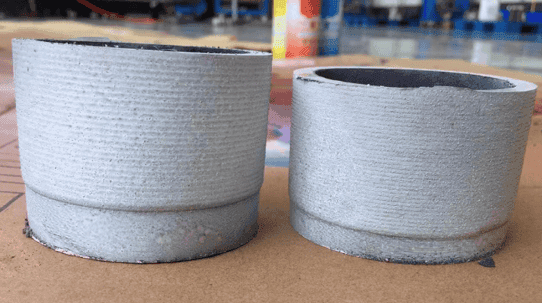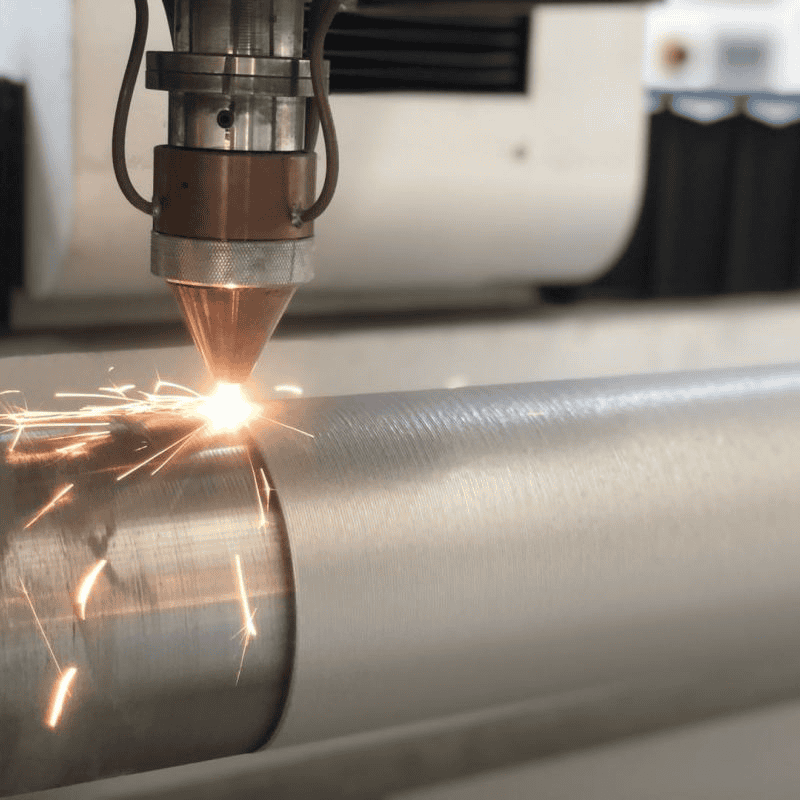
Ikhtisar kasus aplikasi
Peralatan petrokimia beroperasi di lingkungan yang sangat agresif yang mengandung CO₂, H₂S, Cl- dan media korosif lainnya, sering kali dalam kondisi lubang bawah tanah yang bersuhu dan bertekanan tinggi. Lingkungan kerja yang keras ini sering menyebabkan kegagalan seperti perforasi korosi dan kerusakan akibat keausan, yang sangat memengaruhi efisiensi dan keselamatan produksi ladang minyak.
Metode perawatan permukaan tradisional-seperti karburasi dan nitridasi, pengerasan martensit, pemrosesan tahan aus kromium tinggi, dan nitridasi ion-mengalami konsumsi energi yang tinggi, efisiensi proses yang lebih rendah, pencemaran lingkungan, dan biaya perbaikan yang tinggi, serta efektivitas yang terbatas pada aplikasi minyak dan gas yang menuntut.
Teknologi pelapisan laser memberikan solusi canggih dengan secara signifikan meningkatkan ketahanan aus, ketahanan korosi, ketahanan panas, dan ketahanan oksidasi komponen petrokimia. Melalui ikatan metalurgi dan sifat pelapisan yang terkontrol, pelapisan laser meningkatkan masa pakai, keandalan operasional, dan kinerja keseluruhan peralatan yang bekerja di ladang minyak dan lingkungan petrokimia yang berat, sekaligus mengurangi waktu henti dan biaya perawatan.


Scene 1: Sucker Rod Repair
Sucker rods in oilfield production are prone to eccentric wear, corrosion, and other operational stresses, leading to frequent damage and large-scale annual replacement. Laser cladding enables efficient refurbishment and reuse of worn sucker rods, restoring surface performance and extending service life. By recycling existing rods and reducing the need for new components, laser cladding significantly lowers oil extraction costs, conserves resources, and improves overall economic efficiency in oilfield operations.
Key Advantages of Laser Cladding for Sucker Rods
Strong metallurgical bonding between cladding layer and substrate, with dense, defect-free coatings
Optimized alloy powder formulation; hardness up to ≥60 HRC
Fully green process with no pollution
Precise, controllable processing suitable for complex components
Significant reduction in repair costs and substantial improvement in processing efficiency
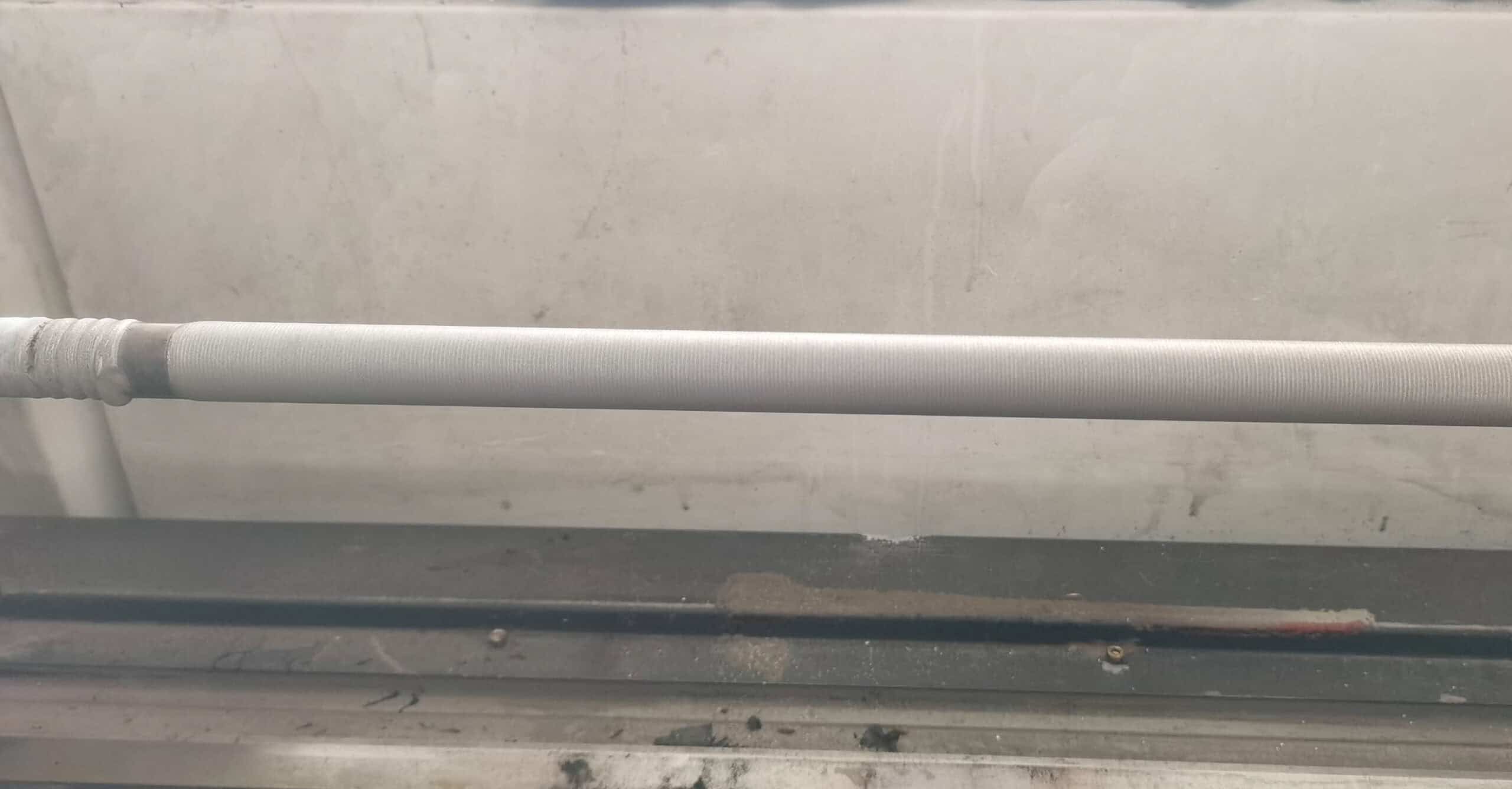
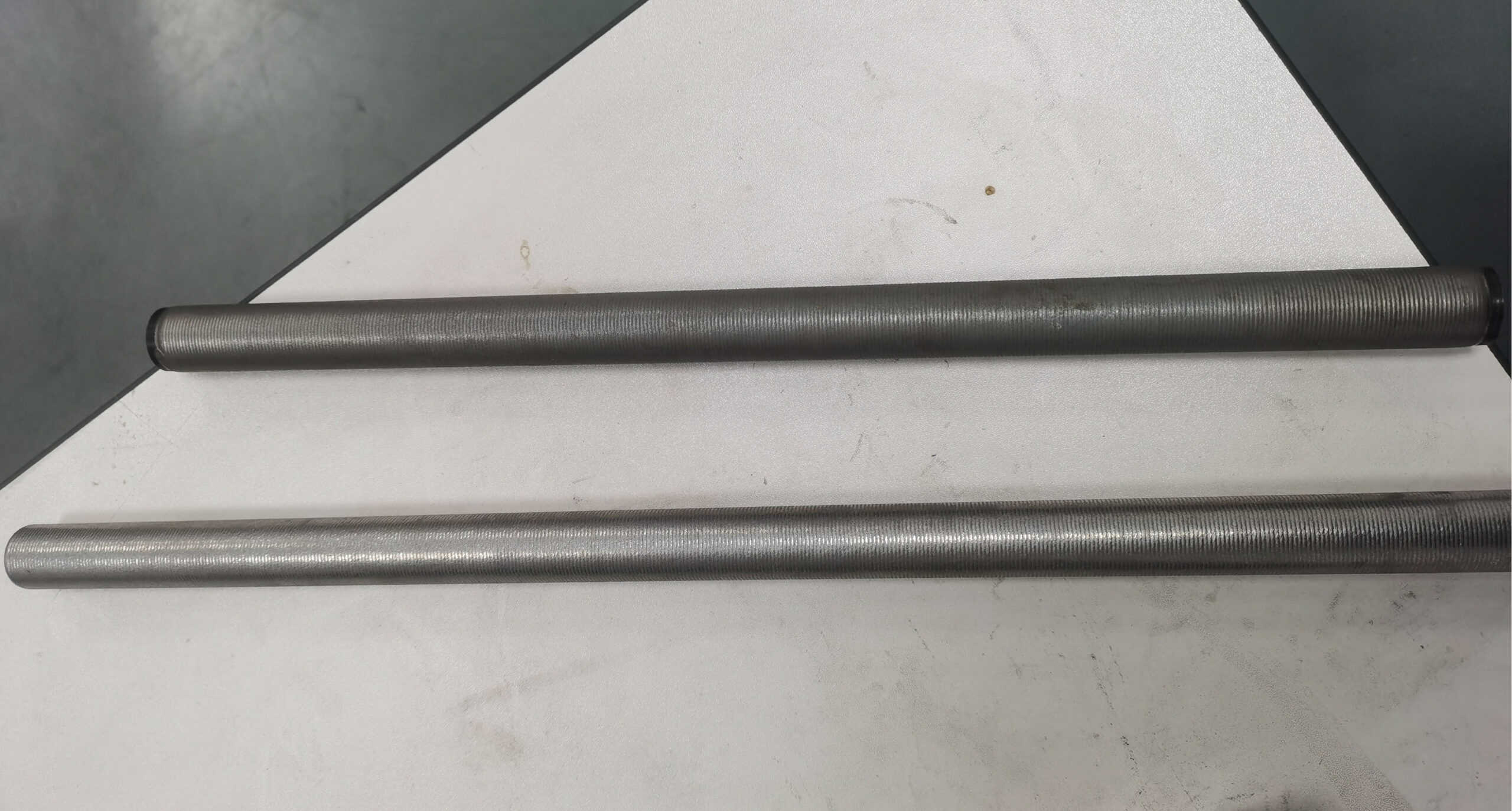
Scene 2: Plunger Rod Repair
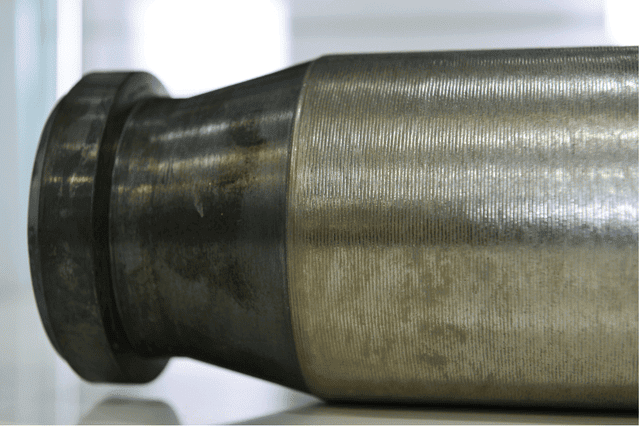
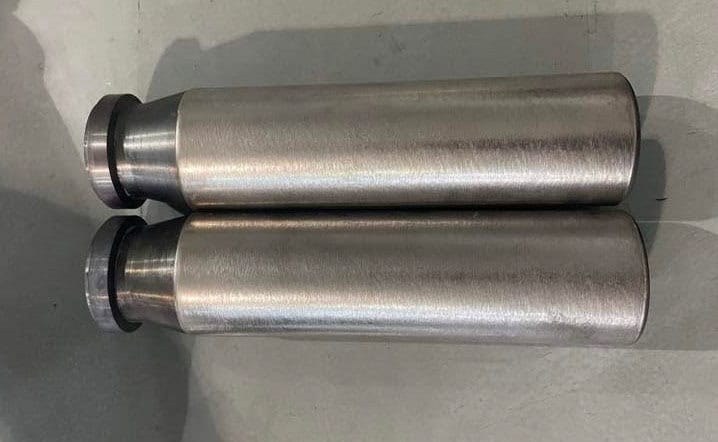
High-pressure plunger pumps are essential equipment in oil and gas extraction, widely used in fracturing, cementing, and water-injection operations. During service, plunger rods are subjected to high-frequency reciprocating friction, corrosive media, and erosion from hard particles, resulting in rapid wear and significantly shortened service life.
Traditional repair methods such as electroplating and spray welding have inherent limitations, including coating defects, poor bonding strength, and negative effects on the substrate. Pelapis laser provides a superior solution, offering excellent coating quality and minimal impact on the base material. Advantages include high processing efficiency, low heat input, minimal distortion, low dilution rate, controllable coating thickness, smooth post-clad surface, and reduced finishing requirements. This results in improved durability, extended service life, and lower maintenance costs for plunger rods in demanding oilfield applications.
Scene 3: Oil Tubing Performance Enhancement
Under harsh oil-well operating conditions, oil tubing is highly susceptible to stress corrosion cracking. Combined effects of corrosive media and mechanical loading cause progressive crack growth, eventually leading to fracture failure and shutdown losses.
Laser cladding can not only restore damaged tubing to its original dimensions, but also significantly enhance the mechanical and corrosion-resistance properties of the base material. This makes it a highly valuable technology for extending service life and improving the reliability of downhole tubing systems.
Keuntungan Utama
Uses specialized Greenstone alloy powders with hardness above 60 HRC
Typical cladding thickness of ~0.75 mm, with smooth, crack-free surfaces
Very low dilution rate; a flat, well-defined fusion line visible under metallographic examination
Minimal influence on tubing diameter and roundness; short-joint threaded connections remain unaffected