
Applications de la technologie de revêtement EB-PVD dans l'industrie aérospatiale

Aperçu du dossier de candidature
Dans l'industrie aérospatiale, la demande croissante d'une efficacité moteur accrue et d'une fiabilité renforcée des lanceurs a fait de la résistance aux hautes températures et des technologies de protection thermique des enjeux cruciaux. Les aubes de turbines des moteurs d'avion doivent fonctionner dans des flux de gaz dont la température dépasse le point de fusion du substrat métallique, tandis que les carénages avant des lanceurs subissent un échauffement aérodynamique soutenu supérieur à 500 °C lors de la rentrée atmosphérique. Parallèlement, les réservoirs de propergol cryogéniques situés à l'intérieur de la cellule sont soumis à des températures extrêmement basses, pouvant atteindre -183 °C. Ce double environnement extrême, à la fois chaud et froid, impose des exigences exceptionnellement strictes aux performances des matériaux et aux technologies de revêtement.
Les revêtements barrières thermiques (RBT) sont des technologies clés pour la protection des matériaux de base et la réduction de la température de surface. Deux méthodes de fabrication principales existent : la projection plasma (PS) et le dépôt physique en phase vapeur par faisceau d'électrons (EB-PVD). L'EB-PVD est privilégiée car elle produit des revêtements à grains colonnaires présentant une excellente tolérance aux déformations. Cette microstructure absorbe efficacement les contraintes dues aux différences de dilatation thermique lors de cycles thermiques répétés, améliorant considérablement la résistance aux chocs thermiques et la durée de vie du revêtement. En revanche, les revêtements projetés par plasma possèdent une architecture lamellaire ; les interfaces interlamellaires et les microfissures peuvent entraîner des fissures et un écaillage sous contrainte thermomécanique, malgré des avantages en termes d'efficacité de dépôt et de coût.
Le procédé EB-PVD vaporise le matériau de revêtement par bombardement de faisceau d'électrons et le dépose sur la surface du composant avec un contrôle précis de l'épaisseur et de la microstructure. Les revêtements à grains colonnaires ainsi obtenus résistent non seulement aux contraintes thermiques extrêmes, mais présentent également des espaces inter-colonnes qui contribuent à réduire les contraintes dues aux différences de dilatation thermique lors des cycles de chauffage. Bien que l'EB-PVD présente des vitesses de dépôt plus faibles et des coûts d'équipement et de procédé plus élevés, ses performances supérieures en matière de résistance aux chocs thermiques et sa durée de vie accrue en font la méthode de revêtement privilégiée pour les composants de la section chaude des moteurs aéronautiques, tels que les aubes de turbine et les pièces de chambre de combustion.
Dans les systèmes de protection thermique des fusées, l'isolation traditionnelle en liège collé manuellement implique des procédés complexes, de nombreux joints et des risques d'absorption d'humidité, de cloquage et de délamination. Le dépôt physique en phase vapeur par faisceau d'électrons (EB-PVD) et ses variantes avancées (par exemple, l'EB-PVD assisté par plasma) offrent une solution innovante pour des revêtements de protection thermique intégrés, performants et fiables. Ces technologies répondent aux exigences cruciales des systèmes aérospatiaux de nouvelle génération en matière de fiabilité, de longévité et de légèreté des solutions de protection thermique.


Cas d'application typiques du dépôt physique en phase vapeur par électrons (EB-PVD)
Cas n° 1 : Revêtement de barrière thermique pour aubes de turbines de moteurs aéronautiques
Défi technique
Une aube de turbine haute pression pour moteur aéronautique commercial utilise des superalliages tels que le DZ125 et le DZ406. Soumise à un flux d'échappement à haute température et haute pression, la température de surface de l'aube peut dépasser 1 600 °C, bien au-delà de la limite de résistance thermique du métal. Sous l'effet de cycles thermiques prolongés, l'oxydation, la corrosion et le fluage peuvent engendrer des dommages, compromettant la sécurité et la durabilité du moteur.
Solution EB-PVD
Appliquer un système de revêtement de barrière thermique par dépôt physique en phase vapeur par faisceau d'électrons (EB-PVD) sur la surface de la lame.
On procède d'abord à un dépôt électrolytique de platine, puis à une aluminisation en phase vapeur pour former une couche de liaison PtAl. Les paramètres clés, tels que l'épaisseur du revêtement de platine et la température d'aluminisation, sont optimisés, ce qui permet d'obtenir une excellente résistance à l'oxydation à 1150 °C.
Ensuite, on dépose une céramique de zircone modifiée aux terres rares (GYb-YSZ) par EB-PVD. Des cibles céramiques à grains fins et de haute pureté sont sélectionnées afin d'éviter les projections et de garantir une microstructure à grains colonnaire uniforme.
Processus et performance
Le système de revêtement GYb-YSZ + PtAl a résisté à 4 320 cycles thermiques à 1050 °C (temps de maintien total de 720 heures) sans écaillage, démontrant une résistance exceptionnelle aux cycles thermiques.
En ajustant l'énergie de dépôt, il est possible d'optimiser la chimie et la structure de phase de la céramique. Des études montrent que les revêtements bi-céramiques LaZrCeO/YSZ, composés de phases pyrochlore et fluorite, ont atteint une durée de vie moyenne de 1 518 cycles thermiques à 1 100 °C.
Valeur d'application
Réduction de la température de surface des pales : ~100–150 °C
Amélioration de la résistance aux chocs thermiques : >30 %
Prolongation de l'intervalle de maintenance : ~50 %
Réduction significative du coût du cycle de vie du moteur grâce à une durée de vie accrue des aubes et à une efficacité thermique améliorée.
Cas n° 2 : Revêtements de protection thermique pour la section chaude du moteur et la cellule d’un lanceur
Défi technique
Les aubes de turbopompe et les composants de la section chaude des lanceurs de nouvelle génération sont soumis à un flux intense de gaz de combustion à haute température et à grande vitesse. Parallèlement, le carénage subit un échauffement aérodynamique supérieur à 500 °C lors du transit atmosphérique, et les réservoirs cryogéniques sont exposés à des températures de carburant de −183 °C. Les méthodes traditionnelles, telles que le collage manuel de panneaux de liège thermique, présentent des risques de délamination, d'absorption d'humidité et nécessitent une main-d'œuvre importante.
Solutions à base de EB-PVD et dérivées
Pour les aubes de turbopompes de fusée : déposer des couches de liaison MCrAlY et des couches supérieures en céramique YSZ modifiée par EB-PVD pour résister à l'oxydation, à l'érosion et à l'impact de gaz à haute température.
Pour une protection thermique intégrée des carénages et des réservoirs : adopter l’approche du « revêtement polymère hyperbranché » développée par l’université Jiao Tong de Shanghai. Bien qu’elle ne repose pas sur la technique EB-PVD traditionnelle, elle poursuit le même objectif : produire des revêtements de protection thermique continus et sans joints.
Revêtements polymères hyperbranchés :
Une structure moléculaire ramifiée tridimensionnelle enveloppe des charges fonctionnelles pour une formabilité par pulvérisation
Les groupes terminaux réactifs forment des liaisons fortes avec le substrat métallique.
Résiste aux chocs thermiques extrêmes et aux transitions cryogéniques-hautes températures.
Processus et performance
Le procédé EB-PVD assisté par plasma permet d'obtenir des revêtements MCrAlY plus denses, résistants à l'oxydation et à l'érosion par nitrure, améliorant ainsi la durée de vie dans des environnements complexes.
Le système de revêtement hyperbranché permet une pulvérisation continue en une seule passe sur les carénages et les réservoirs, éliminant les joints et réduisant le temps d'application de l'isolation d'environ 1 mois à moins d'une semaine, tout en réduisant la masse du véhicule.
Valeur d'application
Appliqué avec succès au système de lancement Longue Marche-6A
Fiabilité de lancement et efficacité de rotation nettement améliorées
La technologie de revêtement polymère hyperbranché a été adoptée dans de grands projets de génie civil, notamment les sites des Jeux olympiques d'hiver de Pékin et les installations des Jeux olympiques de Paris, brisant ainsi les monopoles étrangers sur les revêtements industriels de pointe.
Résumé
La technologie de revêtement barrière thermique EB-PVD offre :
Systèmes de barrière thermique haute performance pour aubes de turbines et moteurs de fusée
Durabilité supérieure aux chocs thermiques et résistance à l'oxydation par rapport à la projection plasma
Structures de revêtement céramique à grains colonnaires de précision optimisées pour les environnements aérospatiaux extrêmes
Performances éprouvées dans les moteurs d'avions commerciaux et les lanceurs de nouvelle génération
Durée de vie des composants prolongée, charge thermique réduite et coût total de possession inférieur
Cette technique de revêtement avancée permet une efficacité accrue, une plus grande fiabilité et une sécurité améliorée pour les systèmes modernes de propulsion et de protection thermique dans l'aérospatiale.
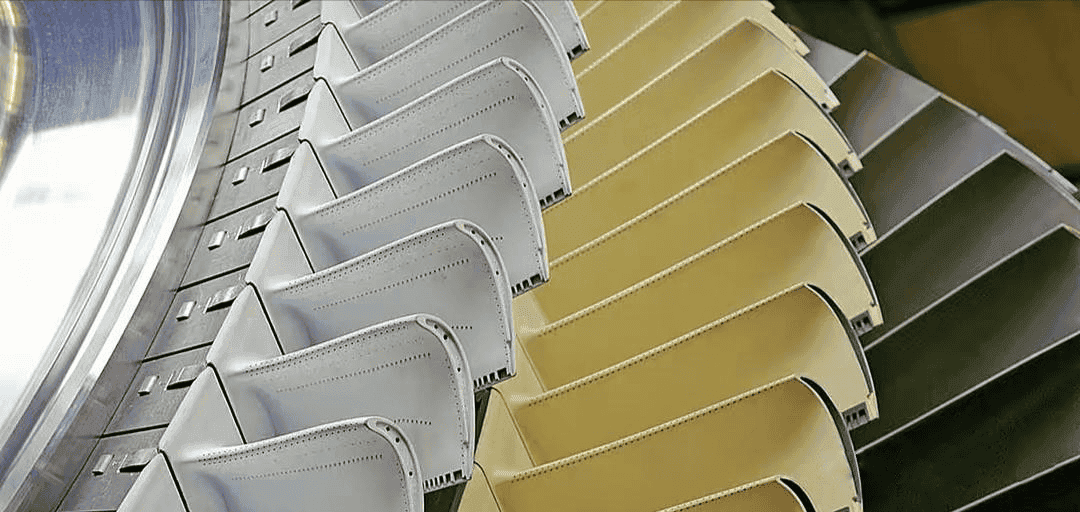


Résumé technique et perspectives
La technologie de revêtement EB-PVD, avec son architecture unique à grains colonnaires, joue un rôle irremplaçable dans la protection des composants aérospatiaux fonctionnant dans des environnements thermiques extrêmes.
Principaux avantages techniques
Les revêtements de barrière thermique à grains colonnaires, produits par dépôt physique en phase vapeur par faisceau d'électrons (EB-PVD), offrent une tolérance exceptionnelle aux contraintes, absorbant et dissipant efficacement les contraintes thermiques. Ceci améliore considérablement la résistance aux chocs thermiques et la durée de vie en cas de variations de température importantes.
Ce procédé permet un contrôle précis de la composition et de la microstructure du revêtement, prenant en charge des architectures avancées telles que les couches à gradient et les revêtements micro-laminés pour répondre à diverses exigences en matière de substrats et de missions critiques.
Comparée aux approches de protection thermique classiques, la technologie EB-PVD et ses dérivés fournissent des matériaux et des procédés essentiels pour des systèmes aérospatiaux légers, hautement fiables et à longue durée de vie.
Perspectives d'avenir
La technologie EB-PVD évoluera vers des taux de dépôt plus élevés, des coûts plus faibles et des architectures de revêtement composite avancées telles que des couches résistantes au CMAS et à conductivité thermique ultra-faible.
Les matériaux TBC de nouvelle génération, notamment les systèmes de zircone dopée aux terres rares et les céramiques à haute entropie, représentent des axes de recherche clés, visant une conductivité thermique plus faible et une stabilité de phase plus élevée à des températures extrêmes.
Les procédés hybrides avancés, tels que le EB-PVD assisté par plasma et le PVD par pulvérisation plasma (PS-PVD), combinent la vitesse de dépôt élevée de la pulvérisation plasma avec la capacité de l'EB-PVD à former des microstructures colonnaires hautement orientées, offrant un fort potentiel pour les revêtements de barrière thermique de nouvelle génération.
Conclusion
En tant que technologie clé en ingénierie aérospatiale, la technologie de revêtement EB-PVD continuera de repousser les limites de performance des systèmes de vol, en fournissant une protection essentielle aux futures plateformes de propulsion à haute température et d'exploration spatiale.


