
تعمیر روکش لیزری قطعات تجهیزات متالورژیکی
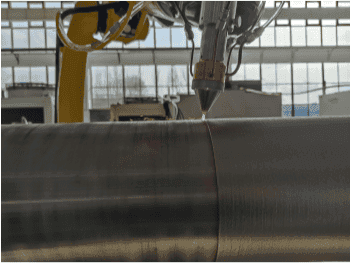
بررسی اجمالی پرونده برنامه
اجزای تجهیزات متالورژیکی معمولاً تحت شرایط کاری بسیار سختی از جمله دمای بالا، بارهای نوسانی، شوک حرارتی چرخهای، خوردگی، سایش و خستگی کار میکنند. بسیاری از قطعات چدنی به شدت مستعد خوردگی و سایش هستند و نیاز به تعویض و نگهداری مکرر دارند. در تولید صفحات فلزی، اجزایی مانند غلتکهای نورد و غلتکهای نقاله به کیفیت سطحی فوقالعاده بالایی نیاز دارند. برای این قطعات پرکاربرد با دفعات نگهداری بالا، افزایش طول عمر و کاهش هزینههای نگهداری برای توسعه صنعت بسیار مهم است.
در حال حاضر، لایههای محافظ سطح برای قطعات فولادی و تجهیزات متالورژیکی عمدتاً از طریق آبکاری الکتریکی، پاشش حرارتی و جوشکاری قوسی تولید میشوند. تکنولوژی روکش لیزری روکشکاری لیزری همچنین انعطافپذیری بیشتری در کنترل ضخامت و عملکرد پوشش ارائه میدهد و آن را به یک راهحل برتر برای تقویت سطح و ترمیم مقاوم در برابر سایش در کاربردهای متالورژی تبدیل میکند.


صحنه ۱: روکش لیزری برای غلتکهای نورد
غلتکهای نورد، حیاتیترین اجزای مصرفی در صنعت فولاد هستند. کیفیت آنها مستقیماً بر راندمان آسیاب و کیفیت سطح محصول نهایی تأثیر میگذارد و فناوری پیشرفته عملیات سطحی را ضروری میسازد. حالتهای معمول خرابی غلتکها شامل ترک خوردگی حرارتی، پوسته پوسته شدن، سایش خستگی و سایش سایشی است.
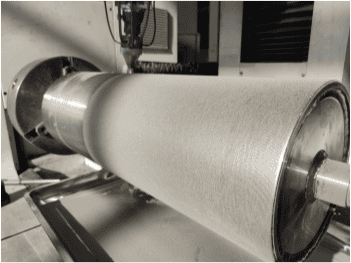
فناوری روکشکاری لیزری امکان انتخاب پودرهای آلیاژی بهینه و پارامترهای فرآیند را بر اساس جنس رول، شرایط کاری و الزامات فنی فراهم میکند. این فرآیند پیوند متالورژیکی قوی بین پوشش و زیرلایه ایجاد میکند و یک لایه روکش متراکم با سختی سطحی معمولاً 50 تا 60 راکول آرسی تشکیل میدهد که مقاومت در برابر سایش و ضربه را به طور قابل توجهی افزایش میدهد.
در مقایسه با فناوریهای تعمیر سنتی، روکش لیزری با سرعت بالا ورودی گرمای کمتری را ارائه میدهد، ناحیه تحت تأثیر گرما را به حداقل میرساند و از سخت شدن بیش از حد ماده پایه که میتواند مانع ماشینکاری شود، جلوگیری میکند. این پوشش توزیع سختی یکنواختی را نشان میدهد و از ایجاد نقاط سخت موضعی که میتوانند صفحات فولادی را خراش دهند، جلوگیری میکند. در نتیجه، غلتکهای روکش شده با لیزر، بهبود چند برابری در دوام، مقاومت در برابر سایش و عملکرد ضربه را به دست میآورند و عمر مفید را تا حد زیادی افزایش داده و هزینههای نگهداری را در تولید فولاد کاهش میدهند.
صحنه ۲: روکش لیزری برای چرخهای راهنما
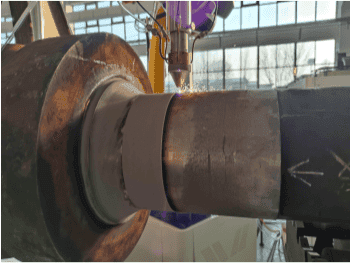
چرخهای راهنما اجزای مصرفی حیاتی در خطوط تولید میلگرد نورد گرم هستند و نقش اساسی در حفظ زمان کارکرد آسیاب و راندمان تولید دارند. در حین کار، بسیاری از چرخهای راهنما از مقاومت حرارتی ناکافی، چسبندگی فولاد، مقاومت سایشی ضعیف و عملکرد خستگی حرارتی ناکافی رنج میبرند. این مشکلات عمر مفید را کاهش داده و بر کیفیت محصول تأثیر منفی میگذارند.
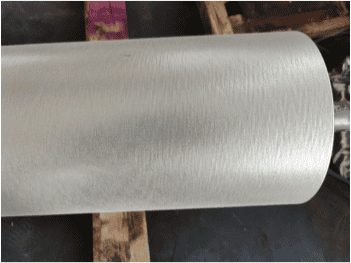
فناوری روکش لیزری به دلیل مزایای زیر، یک راه حل بسیار مؤثر ارائه میدهد: نرخ رقیقسازی پایین، ناحیه تحت تأثیر حرارت کوچک و اتوماسیون آسانبا انتخاب آلیاژهای روکش بهینه شده و پارامترهای فرآیند، روکش کاری لیزری به طور قابل توجهی مقاومت سایشی، مقاومت در برابر خوردگی، استحکام خستگی و مقاومت در برابر ترک خوردگی چرخ راهنما را افزایش میدهد. ضخامت معمول روکش از ... متغیر است. 1-3 میلی متر، با سختی سطحی که اغلب بیش از 60 HRC.
پس از روکش کاری لیزری، چرخهای راهنما را میتوان با افزایش قابل توجه طول عمر مفید، دوباره استفاده کرد که باعث بهبود دسترسی به تجهیزات و کاهش قابل توجه هزینههای نگهداری و عملیاتی در کاربردهای نورد فولاد.

