


Přehled případů použití
V leteckém a kosmickém průmyslu se díky rostoucím požadavkům na vyšší účinnost motorů a vyšší spolehlivost nosných raket staly odolnost vůči vysokým teplotám a technologie tepelné ochrany kritickými místy. Lopatky turbín leteckých motorů musí pracovat v proudech plynů teplejších, než je teplota tání kovového substrátu, zatímco příďové kryty nosných raket jsou vystaveny trvalému aerodynamickému ohřevu přesahujícímu 500 °C během návratu do atmosféry. Současně jsou nádrže kryogenního paliva v draku letadla vystaveny extrémně nízkým teplotám až -183 °C. Toto dramatické “dvojí prostředí horkého a studeného vzduchu” klade mimořádně přísné požadavky na vlastnosti materiálů a technologii povrchových úprav.
Tepelně bariérové povlaky (TBC) jsou klíčovou technologií pro ochranu základních materiálů a snížení povrchové teploty, přičemž existují dvě hlavní výrobní metody: Plasma Spraying (PS) a Electron-Beam Physical Vapor Deposition (EB-PVD). EB-PVD je velmi oblíbená, protože vytváří sloupcovité povlaky s vynikající tolerancí vůči deformaci. Tato mikrostruktura účinně absorbuje napětí z tepelného nesouladu během opakovaných tepelných cyklů, čímž výrazně zvyšuje odolnost proti tepelným šokům a životnost povlaku. Naproti tomu povlaky stříkané plazmou mají lamelární strukturu; mezilamelární rozhraní a mikrotrhliny mohou vést k praskání a odlupování při tepelně-mechanickém zatížení, a to i přes výhody v účinnosti nanášení a nákladech.
EB-PVD odpařuje povlakový materiál pomocí bombardování elektronovým paprskem a nanáší jej na povrch součásti s přesnou kontrolou tloušťky povlaku a mikrostruktury. Výsledné sloupcovité povlaky nejenže odolávají extrémnímu tepelnému namáhání, ale mají také mezisloupcové mezery, které pomáhají zmírnit napětí způsobené tepelným nesouladem při cyklickém zahřívání. Ačkoli má EB-PVD nižší rychlost nanášení a vyšší náklady na zařízení a proces, díky svým vynikajícím vlastnostem při tepelných rázech a výhodám v oblasti životnosti je preferovanou metodou nanášení povlaků na součásti s horkým průřezem v leteckých motorech, jako jsou lopatky turbín a části spalovacích motorů.
U raketových systémů tepelné ochrany je tradiční ručně lepená korková izolace spojena se složitými procesy, četnými spoji a riziky absorpce vlhkosti, tvorby puchýřů a delaminace. EB-PVD a její pokročilé varianty (např. plazmou asistovaná EB-PVD) představují inovativní cestu k vysoce výkonným, vysoce spolehlivým a integrovaným tepelně ochranným povlakům. Tyto technologie odpovídají naléhavým požadavkům na spolehlivost, dlouhou životnost a lehká řešení tepelné ochrany v příští generaci leteckých systémů.


EB-PVD Typical Application Cases
Case 1: Thermal Barrier Coating for Aero-Engine Turbine Blades
Technická výzva
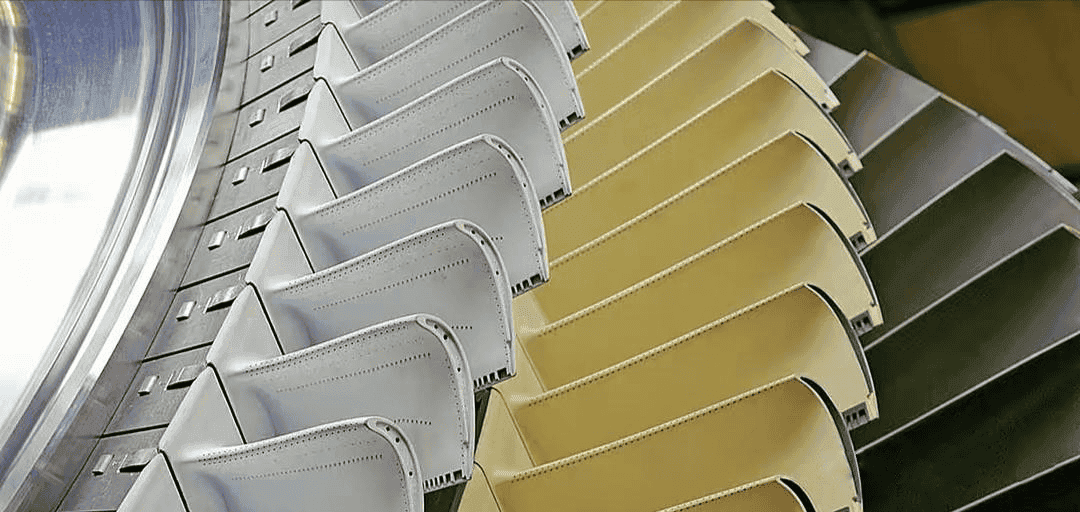
A high-pressure turbine blade for a commercial aero-engine uses superalloys such as DZ125 and DZ406. Operating in high-temperature, high-pressure exhaust flow, blade surface temperature can exceed 1600°C, far beyond the metal’s thermal capability. Under long-term thermal-cycling loads, oxidation, corrosion, and creep damage may occur, threatening engine safety and durability.
EB-PVD Solution
Apply an Electron-Beam Physical Vapor Deposition (EB-PVD) thermal barrier coating system on the blade surface.
First, electroplate platinum and then perform vapor-phase aluminizing to form a PtAl bond layer. Key parameters such as Pt coating thickness and aluminizing temperature are optimized, achieving excellent oxidation resistance at 1150°C.
Next, deposit rare-earth-modified zirconia ceramic (GYb-YSZ) via EB-PVD. High-purity, fine-grain ceramic targets are selected to avoid spatter and ensure uniform columnar-grain microstructure.
Process and Performance
The GYb-YSZ + PtAl coating system endured 4,320 thermal cycles at 1050°C (total dwell time 720 hours) without spallation, demonstrating exceptional thermal-cycle resistance.
By tuning deposition energy, ceramic chemistry and phase structure can be optimized. Studies show LaZrCeO/YSZ dual-ceramic coatings with pyrochlore + fluorite phases achieved an average thermal-cycle life of 1,518 cycles at 1100°C.
Application Value
Blade surface temperature reduction: ~100–150°C
Thermal-shock resistance improvement: >30%
Maintenance interval extension: ~50%
Significant reduction in engine life-cycle cost due to extended blade durability and improved thermal efficiency
Case 2: Thermal-Protection Coatings for Launch-Vehicle Engine Hot-Section and Airframe
Technická výzva
Next-generation launch-vehicle turbo-pump blades and hot-section components experience intense high-temperature, high-velocity combustion gas flow. Meanwhile, the fairing endures >500°C aerodynamic heating during atmospheric transit, and cryogenic tanks face −183°C fuel temperatures. Traditional methods, such as manually bonded thermal cork panels, present risks including delamination, moisture absorption, and labor-intensive processing.
EB-PVD-Based and Derived Solutions
For rocket turbo-pump blades: deposit MCrAlY bond coats and modified YSZ ceramic topcoats via EB-PVD to resist oxidation, erosion, and high-temperature gas impingement.
For integrated thermal protection of fairings and tanks: adopt the “hyperbranched polymer coating” approach developed by Shanghai Jiao Tong University. Although not traditional EB-PVD, it shares the same goal of producing continuous thermal-protection coatings without joints.
Hyperbranched polymer coatings:
Three-dimensional branched molecular structure wraps functional fillers for spray-formability
Reactive end groups form strong bonds with metal substrate
Withstands extreme thermal shock and cryogenic-to-high-temperature transitions
Process and Performance
Plasma-assisted EB-PVD enables denser MCrAlY oxidation-resistant and nitride erosion-resistant coatings, improving service life in complex environments.
Hyperbranched coating system enables one-pass continuous spraying on fairings and tanks, eliminating seams and reducing insulation application time from ~1 month to <1 week, while reducing vehicle mass.
Application Value
Successfully applied to the Long March-6A launch system
Significantly improved launch reliability and turnaround efficiency
Hyperbranched polymer coating technology adopted in major civil projects including Beijing Winter Olympics venues and Paris Olympics facilities, breaking foreign monopolies on advanced industrial coatings
Souhrn
EB-PVD thermal barrier coating technology delivers:
High-performance TBC systems for turbine blades and rocket engines
Superior thermal-shock durability and oxidation resistance vs. plasma spray
Precise columnar-grain ceramic coating structures optimized for extreme aerospace environments
Proven performance in commercial aircraft engines and next-gen launch vehicles
Extended component life, reduced thermal load, and lower total ownership cost
This advanced coating approach enables higher efficiency, greater reliability, and improved safety across modern aerospace propulsion and thermal-protection systems.


Technical Summary and Outlook
EB-PVD coating technology, with its unique columnar-grain architecture, plays an irreplaceable role in protecting aerospace components operating under extreme thermal environments.
Key Technical Advantages
Columnar-grain thermal barrier coatings produced via EB-PVD offer exceptional strain tolerance, effectively absorbing and releasing thermal stresses. This significantly enhances thermal-shock resistance and service life under drastic temperature variations.
The process enables precise control of coating composition and microstructure, supporting advanced architectures such as gradient layers and micro-laminated coatings to meet diverse substrate and mission-critical requirements.
Compared with conventional thermal-protection approaches, EB-PVD and its derivative technologies provide critical materials and process support for lightweight, high-reliability, and long-life aerospace systems.
Future Outlook
EB-PVD will evolve toward higher deposition rates, lower costs, and advanced composite coating architectures such as CMAS-resistant and ultra-low-thermal-conductivity layers.
Next-generation TBC materials—including rare-earth-doped zirconia systems and high-entropy ceramics—represent key research directions, targeting lower thermal conductivity and higher phase stability at extreme temperatures.
Hybrid advanced processes, such as plasma-assisted EB-PVD and plasma-spray PVD (PS-PVD), combine the high deposition speed of plasma spray with EB-PVD’s ability to form highly oriented columnar microstructures, offering strong potential for next-generation thermal-barrier coatings.
Závěr
As a core enabling technology in aerospace engineering, EB-PVD coating technology will continue driving the performance boundaries of flight systems, providing essential protection for future high-temperature propulsion and space-exploration platforms.


