


تعتمد تقنية التكسية بالليزر، باعتبارها تقنية هندسية متقدمة للأسطح، اعتمادًا كبيرًا على الاختيار العلمي لمواد التكسية لضمان نجاح تطبيقها. هذه العملية، التي تنطوي على آليات فيزيائية وكيميائية ومعدنية معقدة، حساسة للغاية للتشقق. ومن بين العوامل العديدة المؤثرة في تشكل الشقوق، يلعب اختيار مادة التكسية دورًا حاسمًا. تتناول هذه المقالة الخصائص الرئيسية والتطورات المبتكرة في مواد التكسية بالليزر، استنادًا إلى المشهد العالمي للتطور التكنولوجي.
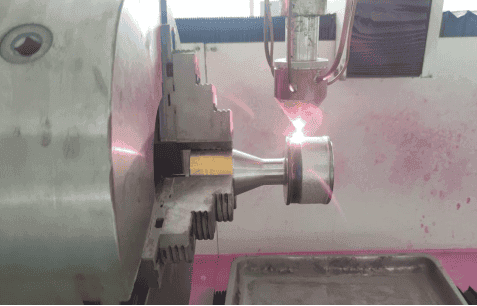
المتطلبات الأساسية لمواد التكسية بالليزر
مطابقة الأداء الدقيقة
يجب أن تكون مواد التكسية قادرة على الانصهار كلياً أو جزئياً تحت تأثير درجات الحرارة العالية لليزر، لتكوين حوض منصهر مستقر، وتلبية متطلبات الخدمة المحددة بعد التصلب. تتطلب التطبيقات الصناعية الحديثة مواد ذات خصائص أداء دقيقة، مثل مقاومة التآكل، ومقاومة الصدأ، والأداء في درجات الحرارة العالية، ومقاومة الأكسدة.
الاستقرار الديناميكي الحراري
أثناء عملية التكسية بالليزر، تتعرض المواد لتدرجات حرارية شديدة. لذا، يجب أن تحافظ على استقرارها الكيميائي والحراري الممتاز لتجنب التبخر أو التسامي أو التفاعلات الكيميائية الضارة أو تغيرات الطور عند درجات الحرارة العالية، مما يحافظ على خصائصها المصممة. وقد طوّر كبار موردي المواد عالميًا أنظمة سبائك متخصصة قادرة على تحمل درجات حرارة عابرة تتجاوز 1600 درجة مئوية.
التوافق التآزري للخصائص الفيزيائية الحرارية
يُعدّ توافق معامل التمدد الحراري لمادة التكسية مع معامل الركيزة أمرًا بالغ الأهمية. تُشير الأبحاث إلى أنه عندما يتجاوز الفرق في معامل التمدد الحراري 15%، يزداد خطر تشقق طبقة التكسية بشكل ملحوظ. ومن الأفضل أن يبقى هذا الفرق أقل من 8% للحدّ من خطر التقشر أو التشقق الناتج عن الإجهاد الحراري.
تحسين قابلية ترطيب السطح البيني
يجب أن تتمتع مادة التكسية بقابلية ترطيب جيدة مع الركيزة في حالتها المنصهرة، بزاوية تلامس أقل من 90 درجة لضمان رابطة معدنية قوية. ويمكن إضافة عناصر فعالة مثل التيتانيوم والزركونيوم لتحسين قابلية ترطيب السطح البيني بشكل ملحوظ.
التحكم الدقيق في خصائص المسحوق
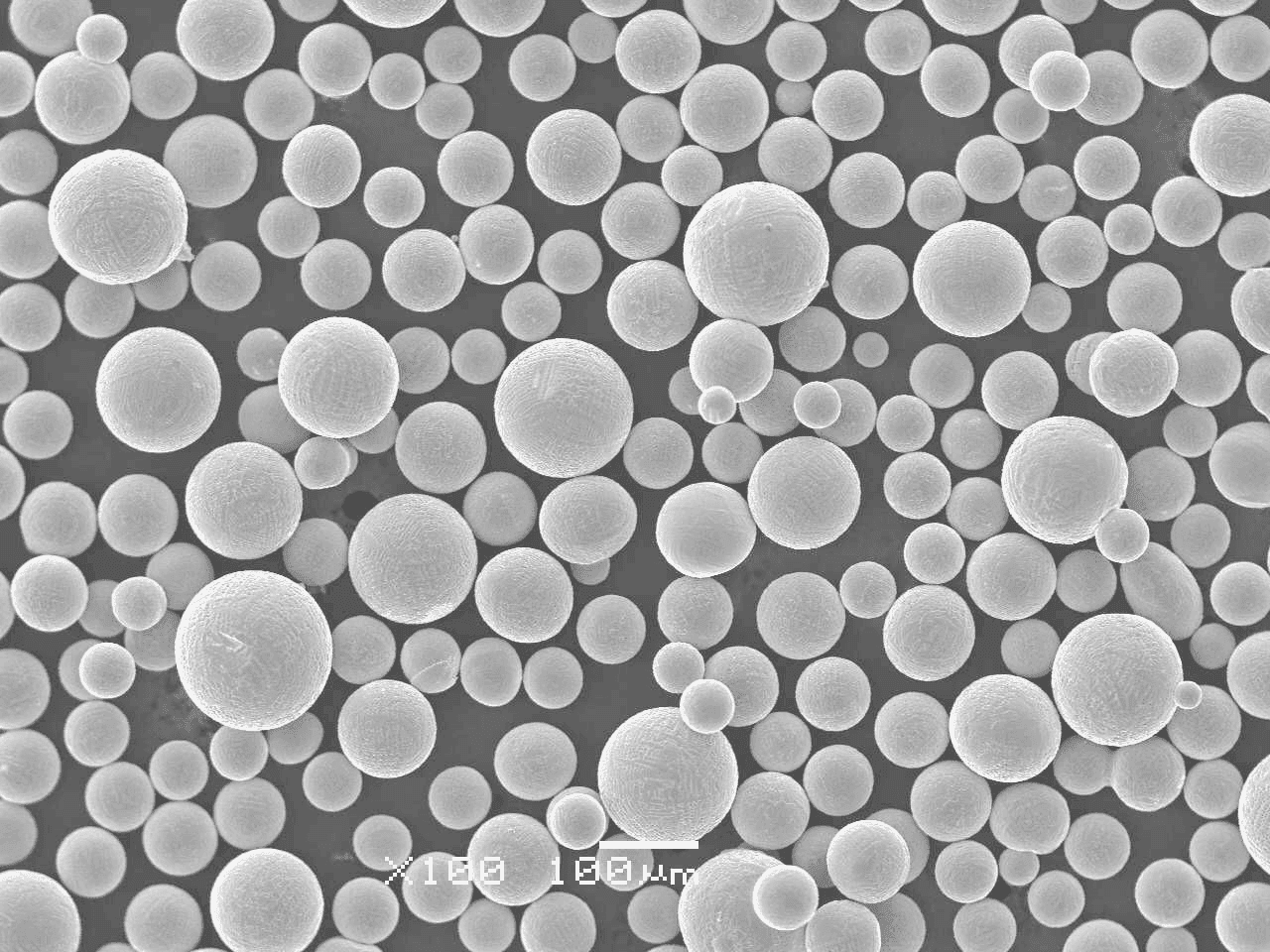
يؤثر شكل مسحوق المواد وتوزيع حجم جزيئاته وحالة سطحه تأثيراً حاسماً على استقرار العملية. وتشمل الخصائص المثلى للمسحوق ما يلي:
- نسبة كروية تزيد عن 95% مع جسيمات شبه كروية
- يتركز توزيع حجم الجسيمات ضمن نطاق 45-150 ميكرومتر
- سمك طبقة الأكسيد السطحية أقل من 1 ميكرومتر
- معدل تدفق هول أقل من 25 ثانية/50 غرامًا لضمان انسيابية ممتازة
تصميم نظام المواد وممارسات الابتكار العالمية
استنادًا إلى المتطلبات المحددة لقطع العمل المختلفة وبيئات الخدمة، طورت شركة غرينستون-تك أنظمة مواد متقدمة من خلال التعاون التكنولوجي العالمي والابتكار المستقل، وتغطي هذه الأنظمة سلاسل متعددة:
سلسلة مواد الفولاذ المقاوم للصدأ
- الفولاذ المقاوم للصدأ الأوستنيتي (على سبيل المثال، 316L، 304L)يُعرف هذا الفولاذ بمقاومته الممتازة للتآكل، ويُستخدم على نطاق واسع في الأجهزة الطبية وصناعة الأغذية. وقد طوّر حديثًا فولاذًا أوستنيتيًا مقاومًا للتآكل بدرجة منخفضة جدًا من الكربون والنيتروجين، مما يزيد من مقاومته للتنقر بما يعادل أكثر من 40، وبالتالي يعزز بشكل كبير مقاومته للتآكل في البيئات الكلوريدية.
- الفولاذ المقاوم للصدأ المارتنسيتي (على سبيل المثال، 420، 440C): يتم تحقيق ذلك من خلال التحكم الدقيق في محتوى الكربون وعمليات المعالجة الحرارية، مما يحسن الصلابة إلى HRC55-60 مع الحفاظ على متانة كافية، ويستخدم عادة في الآلات الهندسية.
- الفولاذ المقاوم للصدأ المزدوج (على سبيل المثال، 2205، 2507)بفضل الجمع بين مزايا الطورين الأوستنيتي والفريتي، فإنه يؤدي أداءً ممتازًا في بيئات التآكل القاسية لصناعة البتروكيماويات.
أنظمة السبائك عالية الحرارة
- السبائك الفائقة القائمة على النيكل (مثل GH4169، GH3625): تحتفظ هذه السبائك، التي تم تقويتها بواسطة آلية طور γ'، بخصائص ميكانيكية متميزة في درجات حرارة عالية (650-800 درجة مئوية)، مما يجعلها مثالية لمكونات محركات الطائرات.
- سبائك هاستيلوي وسبائك النيكل العالية (مثل C-276، 625): تشتهر هذه المواد بتركيبها الفريد من الموليبدينوم والكروم، مما يجعلها تتمتع بمتانة استثنائية في البيئات شديدة التآكل، الأمر الذي يجعلها لا غنى عنها في صناعات البتروكيماويات وتصنيع القوالب.
أنظمة السبائك الشائعة والتطبيقات النموذجية في التصنيع الإضافي بالليزر
| نظام السبائك | الدرجات المشتركة | الخصائص | تطبيقات نموذجية |
|---|---|---|---|
| ستانلس ستيل | الفولاذ المقاوم للصدأ المارتنسيتي (على سبيل المثال، 18Ni300، 420، 431) | مقاوم للتآكل، مقاوم للتآكل | البكرات، والشفاه، وما إلى ذلك. |
| الفولاذ المقاوم للصدأ الأوستنيتي (مثل 316L، 304) | مقاومة للتآكل | الصناعات الطبية والغذائية، إلخ. | |
| الفولاذ المقاوم للصدأ المتصلب بالترسيب (على سبيل المثال، 17-4PH، 15-5PH) | مقاومة للتآكل | صناعة الورق، إلخ. | |
| دوبلكس الفولاذ المقاوم للصدأ | مقاومة للتآكل | صناعة البترول والكيماويات ، إلخ. | |
| السبائك الفائقة | GH4169، GH3625، إلخ. | مقاومة للتآكل | أجزاء مقاومة للتآكل بمياه البحر، صناعة الطيران والفضاء، إلخ. |
| هاستيلوي (على سبيل المثال، هاستيلوي إكس، سي 276) | مقاومة درجات الحرارة العالية | المعدات الكيميائية، صناعة الورق، إلخ. | |
| النيكل النقي، سبائك النيكل العالية | مقاومة للتآكل | قوالب زجاجية، إلخ. | |
| سبائك التيتانيوم | TC4، TA15 | كثافة منخفضة، عمر إجهاد طويل، مقاومة للتآكل | الطيران، الفضاء الجوي |
| سبائك الكوبالت | CoCr، CoCrMo، CoCrWMo، إلخ. | مقاوم للتآكل، مقاوم لدرجات الحرارة العالية، مقاوم للتآكل | صمامات ذات درجة حرارة عالية وضغط عالٍ، ومقاعد صمامات، وما إلى ذلك. |
| أداة الصلب | H13 | صلابة، وارتداء المقاومة | الأدوات والقوالب وما إلى ذلك. |
| سبائك بابيت | قائم على القصدير، قائم على الرصاص، إلخ. | ضد الاحتكاك | جلبات المحامل، إلخ. |
| مركبات السيراميك ذات المصفوفة المعدنية | Ni45-60%WC | ارتداء مقاومة | طبقات مقاومة للتآكل السطحي |
ابتكار السبائك القائمة على الكوبالت
طورت شركة Greenstone-Tech سبيكة جديدة تعتمد على الكوبالت مع عناصر محسّنة لتكوين الكربيد (مثل التنجستن والموليبدينوم)، والتي تُظهر مقاومة ممتازة للتآكل وأداءً ممتازًا في مقاومة الإجهاد الحراري في ظل ظروف درجات الحرارة العالية والضغط العالي، وهي مناسبة بشكل خاص للمكونات الحرجة مثل مقاعد صمامات المحرك وأختام التوربينات.
ابتكار العمليات وتطوير المعدات
من خلال بحث معمق حول أنظمة المواد المختلفة، طورت شركة غرينستون-تك قاعدة بيانات لمعايير العمليات تتطابق بدقة مع كل نظام من أنظمة المواد. وباستخدام خوارزميات ذكية، يتم تحسين المعايير الرئيسية مثل حجم البقعة ومسار المسح وسرعة الخط ومعدل التداخل لتحقيق تحكم دقيق في البنية المجهرية.
منصة المعدات الذكية
- نظام متكامل للإضافات والطرح: الجمع بين مرونة التصنيع الإضافي ومزايا الدقة في المعالجة الطرحية.
- معدات التكسية بالليزر فائقة السرعة: تحقيق معدلات ترسيب أسرع من 5 إلى 8 مرات من العمليات التقليدية.
- نظام التصنيع الإضافي الروبوتي: تمكين المعالجة الآلية للأسطح المعقدة.
- معدات تغليف الغلاف الجوي الواقي: ضمان التحكم في محتوى الأكسجين بحيث يكون أقل من 10 جزء في المليون، بما يلبي متطلبات معالجة المعادن النشطة.
الابتكارات التكنولوجية الأساسية
- نظام تغذية المسحوقتشمل الإنجازات الرئيسية ما يلي:
- تصميم فوهة مقاوم للتآكل بعمر افتراضي يتجاوز 2000 ساعة
- التحكم الدقيق في تغذية المسحوق في حدود ±1%
- تمت زيادة الحد الأقصى لمعدل تغذية المسحوق إلى 50 كجم/ساعة
- معدل استخدام المسحوق يتجاوز 95%
الفوائد الاقتصادية وتطبيقات الصناعة
من خلال الابتكار التآزري للمواد والعمليات، أظهرت تقنية التكسية بالليزر فوائد اقتصادية كبيرة في مختلف الصناعات:
- معدات الطاقة: تتمتع شفرات التوربينات التي تم ترميمها بواسطة التكسية بالليزر بعمر خدمة أطول من 3 إلى 5 مرات من الأجزاء الجديدة، بتكلفة تتراوح بين 40٪ و 60٪ فقط من تكلفة المكونات الجديدة.
- فضاء: تم تقليل دورة إصلاح مكونات المحرك بنسبة 70٪، مع وصول الأداء إلى معايير الأجزاء الجديدة الأصلية أو حتى تجاوزها.
اتجاهات التنمية المستقبلية
اتجاهات ابتكار المواد
- تطوير مواد متدرجة وظيفيًا لتحقيق تباين مستمر في الأداء
- البحث في أنظمة المواد ذاتية الإصلاح لتعزيز موثوقية المكونات
- استكشف المواد المركبة النانوية لتجاوز حدود الأداء
التنمية الذكية
- إنشاء نظام توأم رقمي للمواد والعمليات والأداء
- تطوير نظام تحسين ذاتي التكيف لمعلمات العملية قائم على التعلم الآلي
- تطبيق المراقبة الذكية والصيانة التنبؤية طوال دورة حياة المنتج
الأخضر التصنيع
- تشجيع تقنيات إعادة تدوير المواد
- تطوير عمليات ذات درجة حرارة منخفضة واستهلاك منخفض للطاقة
- تقليل الأثر البيئي أثناء المعالجة
خاتمة
يُعدّ الاختيار العلمي والابتكار في مواد التكسية بالليزر أساسًا لتطوير هذه التقنية باستمرار. وقد أنشأت شركة غرينستون-تك، من خلال التعاون التقني العالمي والاستثمار المتواصل في البحث، نظامًا شاملًا للمواد وقاعدة بيانات للعمليات، موفرةً حلول تكسية بالليزر عالية الأداء والكفاءة لمختلف الصناعات. ومع الظهور المستمر لمواد وعمليات جديدة، يُتوقع أن تلعب تقنية التكسية بالليزر دورًا متزايد الأهمية في تحويل وتطوير الصناعات التحويلية.
يقدم هذا المقال، استنادًا إلى الوضع العالمي لتطور تقنية التكسية بالليزر والممارسات الهندسية لشركة غرينستون-تك، مراجع تقنية احترافية وإرشادات تطبيقية للصناعة.
توماس تونغ
يشغل توماس تونغ منصب مدير هندسة معدات التكسية بالليزر وخبير تكامل الأنظمة الصناعية في شركة غرينستون، حيث يركز على تطوير معدات المعالجة بالليزر، وتكامل التصنيع، وأنظمة الأتمتة، وتنفيذ الحلول الصناعية المتكاملة. بفضل خبرته الواسعة في هندسة المعدات الصناعية وأنظمة التصنيع المتقدمة، يقود توماس تصميم وتكامل وتحسين منصات معدات التكسية بالليزر في غرينستون، بما في ذلك أنظمة التكسية بالليزر الروبوتية، وأنظمة المعالجة متعددة المحاور، وحلول الإنتاج الآلية، والمعدات الصناعية المصممة حسب الطلب. تشمل خبرته عملية تطوير المعدات بالكامل، بدءًا من تصميم الهيكل الميكانيكي، وتكامل نظام الليزر، وتنسيق التحكم في الحركة، والهندسة الكهربائية، وبرمجة الأتمتة، وصولًا إلى التشغيل النهائي.