


نظرة عامة على حالات التطبيق
في صناعة الطيران، أدت الطلبات المتزايدة على زيادة كفاءة المحركات وزيادة موثوقية مركبات الإطلاق إلى جعل مقاومة درجات الحرارة العالية وتكنولوجيا الحماية الحرارية معوقات حرجة. يجب أن تعمل شفرات توربينات المحركات الهوائية في تيارات غازية أكثر سخونة من درجة انصهار الركيزة المعدنية، بينما تتحمل مقدمات مركبات الإطلاق تسخيناً ديناميكياً هوائياً مستمراً فوق 500 درجة مئوية أثناء العودة إلى الغلاف الجوي. وفي الوقت نفسه، تواجه خزانات الوقود الدفعي المبرد داخل هيكل الطائرة ظروفاً شديدة الانخفاض في درجات الحرارة المنخفضة تصل إلى -183 درجة مئوية تحت الصفر. وتفرض هذه “البيئة المزدوجة الساخنة والباردة” الدراماتيكية متطلبات صارمة للغاية على أداء المواد وتكنولوجيا الطلاء.
تُعد طلاءات الحاجز الحراري (TBCs) من التقنيات الرئيسية لحماية المواد الأساسية وتقليل درجة حرارة السطح، مع وجود طريقتين رئيسيتين للتصنيع: الرش بالبلازما (PS) والترسيب الفيزيائي بالبخار بالحزمة الإلكترونية (EB-PVD). يُفضّل استخدام تقنية الترسيب الفيزيائي بالبخار الإلكتروني-البخار الفيزيائي (EB-PVD) لأنها تنتج طلاءات ذات حبيبات عمودية ذات قدرة تحمل إجهاد متميزة. تمتص هذه البنية المجهرية بفعالية الضغوط الناجمة عن عدم التطابق الحراري أثناء الدورات الحرارية المتكررة، مما يحسن بشكل كبير من مقاومة الصدمات الحرارية وعمر خدمة الطلاء. وعلى النقيض من ذلك، فإن الطلاءات التي يتم رشها بالبلازما لها بنية صفائحية؛ وقد تؤدي الواجهات البينية والشقوق الدقيقة إلى التشقق والتشقق تحت التحميل الميكانيكي الحراري، على الرغم من المزايا في كفاءة الترسيب والتكلفة.
تعمل تقنية EB-PVD على تبخير مواد الطلاء عن طريق قصف شعاع الإلكترون وترسيبها على سطح المكوّن مع التحكم الدقيق في سمك الطلاء والبنية المجهرية. لا تتحمل الطلاءات ذات الحبيبات العمودية الناتجة الضغوط الحرارية الشديدة فحسب، بل تتميز أيضًا بفجوات بين الأعمدة تساعد على تخفيف إجهاد عدم التطابق الحراري أثناء التسخين الدوري. على الرغم من انخفاض معدلات الترسيب باستخدام تقنية EB-PVD وارتفاع تكاليف المعدات والعمليات، إلا أن أداءها المتفوق في مقاومة الصدمات الحرارية ومزاياها المتعلقة بالعمر الافتراضي يجعلها طريقة الطلاء المفضلة لمكونات الأقسام الساخنة في المحركات الهوائية - مثل شفرات التوربينات وأجزاء الاحتراق.
في أنظمة الحماية الحرارية للصواريخ، ينطوي العزل التقليدي المصنوع من الفلين الملتصق يدويًا على عمليات معقدة والعديد من الوصلات ومخاطر امتصاص الرطوبة والتقرحات والتفكك. توفر تقنية EB-PVD ومتغيراتها المتقدمة (على سبيل المثال، تقنية EB-PVD بمساعدة البلازما) مساراً مبتكراً لطلاءات الحماية الحرارية المتكاملة عالية الأداء والموثوقية. تعالج هذه التقنيات المتطلبات الملحة لأنظمة الطيران من الجيل التالي من أجل الموثوقية وطول العمر وحلول الحماية الحرارية خفيفة الوزن.


EB-PVD Typical Application Cases
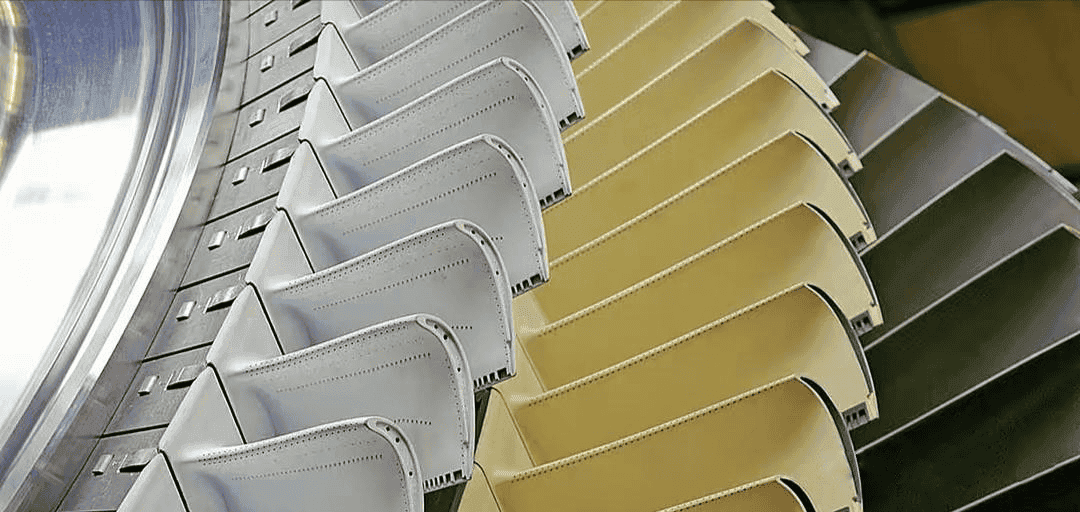
Case 1: Thermal Barrier Coating for Aero-Engine Turbine Blades
التحدي التقني
A high-pressure turbine blade for a commercial aero-engine uses superalloys such as DZ125 and DZ406. Operating in high-temperature, high-pressure exhaust flow, blade surface temperature can exceed 1600°C, far beyond the metal’s thermal capability. Under long-term thermal-cycling loads, oxidation, corrosion, and creep damage may occur, threatening engine safety and durability.
EB-PVD Solution
Apply an Electron-Beam Physical Vapor Deposition (EB-PVD) thermal barrier coating system on the blade surface.
First, electroplate platinum and then perform vapor-phase aluminizing to form a PtAl bond layer. Key parameters such as Pt coating thickness and aluminizing temperature are optimized, achieving excellent oxidation resistance at 1150°C.
Next, deposit rare-earth-modified zirconia ceramic (GYb-YSZ) via EB-PVD. High-purity, fine-grain ceramic targets are selected to avoid spatter and ensure uniform columnar-grain microstructure.
Process and Performance
The GYb-YSZ + PtAl coating system endured 4,320 thermal cycles at 1050°C (total dwell time 720 hours) without spallation, demonstrating exceptional thermal-cycle resistance.
By tuning deposition energy, ceramic chemistry and phase structure can be optimized. Studies show LaZrCeO/YSZ dual-ceramic coatings with pyrochlore + fluorite phases achieved an average thermal-cycle life of 1,518 cycles at 1100°C.
Application Value
Blade surface temperature reduction: ~100–150°C
Thermal-shock resistance improvement: >30%
Maintenance interval extension: ~50%
Significant reduction in engine life-cycle cost due to extended blade durability and improved thermal efficiency
Case 2: Thermal-Protection Coatings for Launch-Vehicle Engine Hot-Section and Airframe
التحدي التقني
Next-generation launch-vehicle turbo-pump blades and hot-section components experience intense high-temperature, high-velocity combustion gas flow. Meanwhile, the fairing endures >500°C aerodynamic heating during atmospheric transit, and cryogenic tanks face −183°C fuel temperatures. Traditional methods, such as manually bonded thermal cork panels, present risks including delamination, moisture absorption, and labor-intensive processing.
EB-PVD-Based and Derived Solutions
For rocket turbo-pump blades: deposit MCrAlY bond coats and modified YSZ ceramic topcoats via EB-PVD to resist oxidation, erosion, and high-temperature gas impingement.
For integrated thermal protection of fairings and tanks: adopt the “hyperbranched polymer coating” approach developed by Shanghai Jiao Tong University. Although not traditional EB-PVD, it shares the same goal of producing continuous thermal-protection coatings without joints.
Hyperbranched polymer coatings:
Three-dimensional branched molecular structure wraps functional fillers for spray-formability
Reactive end groups form strong bonds with metal substrate
Withstands extreme thermal shock and cryogenic-to-high-temperature transitions
Process and Performance
Plasma-assisted EB-PVD enables denser MCrAlY oxidation-resistant and nitride erosion-resistant coatings, improving service life in complex environments.
Hyperbranched coating system enables one-pass continuous spraying on fairings and tanks, eliminating seams and reducing insulation application time from ~1 month to <1 week, while reducing vehicle mass.
Application Value
Successfully applied to the Long March-6A launch system
Significantly improved launch reliability and turnaround efficiency
Hyperbranched polymer coating technology adopted in major civil projects including Beijing Winter Olympics venues and Paris Olympics facilities, breaking foreign monopolies on advanced industrial coatings
الملخص
EB-PVD thermal barrier coating technology delivers:
High-performance TBC systems for turbine blades and rocket engines
Superior thermal-shock durability and oxidation resistance vs. plasma spray
Precise columnar-grain ceramic coating structures optimized for extreme aerospace environments
Proven performance in commercial aircraft engines and next-gen launch vehicles
Extended component life, reduced thermal load, and lower total ownership cost
This advanced coating approach enables higher efficiency, greater reliability, and improved safety across modern aerospace propulsion and thermal-protection systems.


Technical Summary and Outlook
EB-PVD coating technology, with its unique columnar-grain architecture, plays an irreplaceable role in protecting aerospace components operating under extreme thermal environments.
Key Technical Advantages
Columnar-grain thermal barrier coatings produced via EB-PVD offer exceptional strain tolerance, effectively absorbing and releasing thermal stresses. This significantly enhances thermal-shock resistance and service life under drastic temperature variations.
The process enables precise control of coating composition and microstructure, supporting advanced architectures such as gradient layers and micro-laminated coatings to meet diverse substrate and mission-critical requirements.
Compared with conventional thermal-protection approaches, EB-PVD and its derivative technologies provide critical materials and process support for lightweight, high-reliability, and long-life aerospace systems.
Future Outlook
EB-PVD will evolve toward higher deposition rates, lower costs, and advanced composite coating architectures such as CMAS-resistant and ultra-low-thermal-conductivity layers.
Next-generation TBC materials—including rare-earth-doped zirconia systems and high-entropy ceramics—represent key research directions, targeting lower thermal conductivity and higher phase stability at extreme temperatures.
Hybrid advanced processes, such as plasma-assisted EB-PVD and plasma-spray PVD (PS-PVD), combine the high deposition speed of plasma spray with EB-PVD’s ability to form highly oriented columnar microstructures, offering strong potential for next-generation thermal-barrier coatings.
خاتمة
As a core enabling technology in aerospace engineering, EB-PVD coating technology will continue driving the performance boundaries of flight systems, providing essential protection for future high-temperature propulsion and space-exploration platforms.


